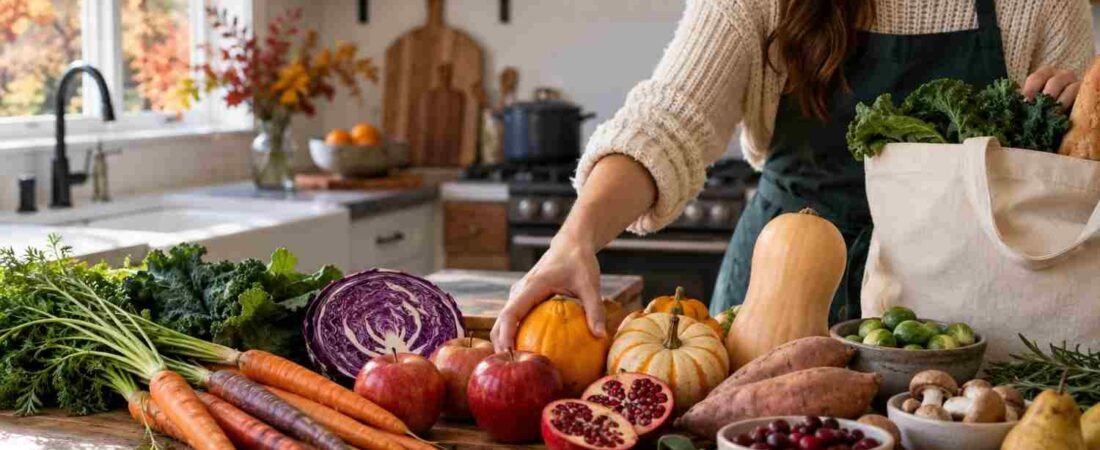
I started paying more attention to seasonal ingredients after noticing how different the same simple meal could taste when produce was bought at the right time of year. A tomato at its summer peak needs little help, while winter cabbage can become deeply satisfying after roasting. That shift made grocery shopping feel less like following a fixed list and more like responding to what looked best that week.
I also found that seasonal cooking made it easier to keep meals interesting without constantly buying specialty ingredients. A bunch of asparagus could become a side one night and part of pasta the next. Later, sweet corn, apples, squash, or sturdy greens would take its place. The approach saved money in some seasons, reduced waste, and gave everyday cooking a natural rhythm.
Why Seasonal Ingredients Earn a Place in the Kitchen
Seasonal ingredients are appealing because peak availability often lines up with better flavor, texture, and value. Produce harvested during its natural growing period can be especially enjoyable when it is fresh and ripe. That does not mean every seasonal item will be cheaper or better everywhere. Climate, transportation, storage, weather, and regional growing conditions all influence what shoppers see.
Spring Ingredients That Keep Meals Fresh
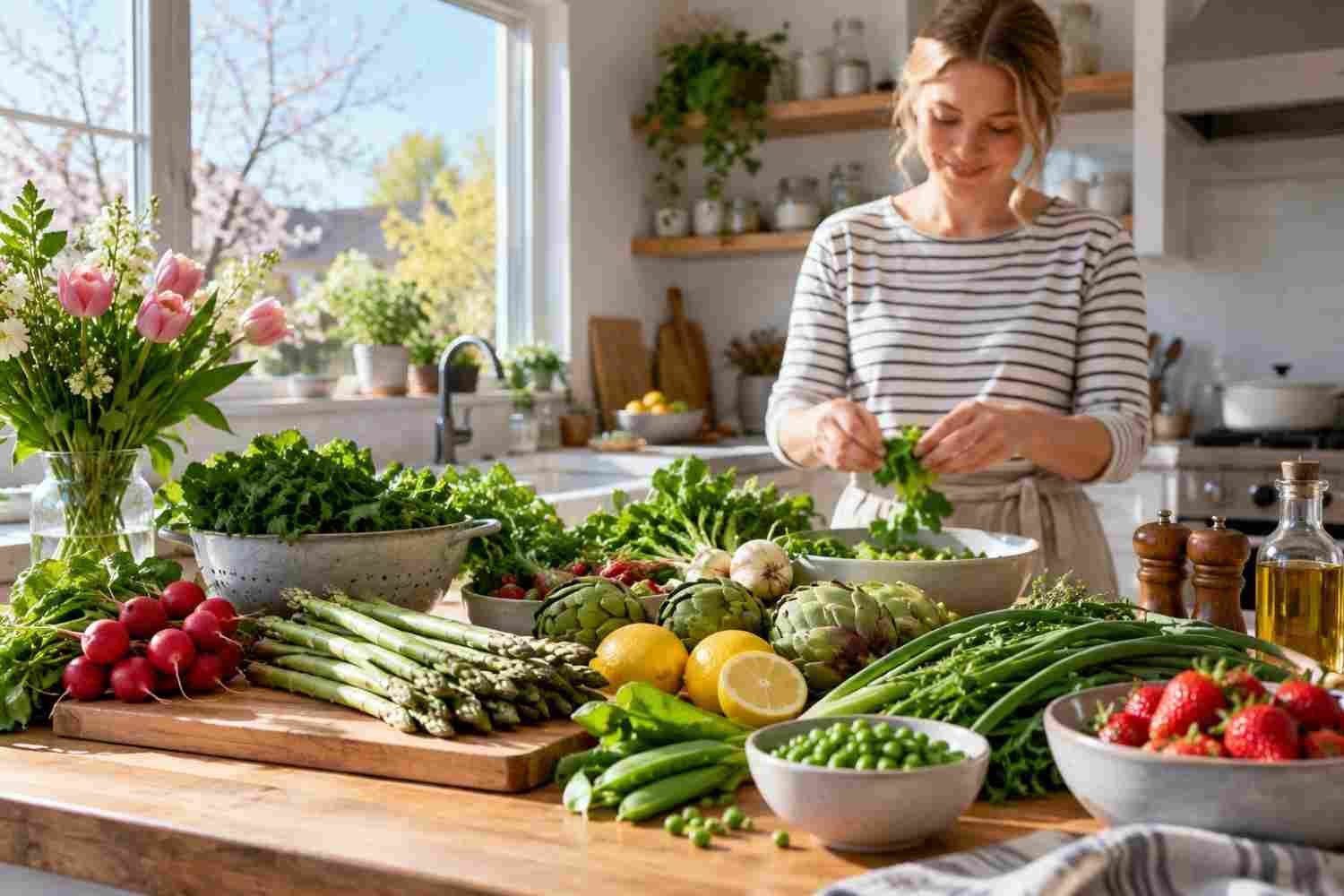
Spring is a good time to lean into vegetables with delicate textures and bright flavors. Asparagus is one of the most useful choices. Its short cooking time makes it easy to sauté with garlic, fold into risotto, roast beside chicken, or toss into pasta. Fresh peas offer another simple upgrade. Their sweetness works well with herbs, creamy sauces, grains, and spring pasta dishes.
Summer Ingredients Built for Simple Cooking
Summer produce tends to reward restraint. Sweet corn is a classic example because its natural sweetness can carry an entire side dish. Grill it, simmer it briefly, or cut the kernels from the cob and add them to tacos, salads, soups, or grain bowls. Cucumbers bring a different quality. Their crisp texture can refresh salads, sandwiches, chilled soups, and quick snacks.
For more ideas that make the most of changing produce, exploring fall recipes can help when summer vegetables give way to apples, squash, cabbage, and other cool-weather staples.
Fall Ingredients With More Depth
Fall is when sturdier vegetables start taking center stage. Cauliflower is remarkably flexible and can be roasted until browned, sautéed with spices, mashed, or added to soups. Cabbage is another dependable option. It is affordable, stores well, and handles high heat without falling apart. Grilling wedges creates charred edges, while roasting brings out a sweeter flavor.
Winter Ingredients That Hold Up
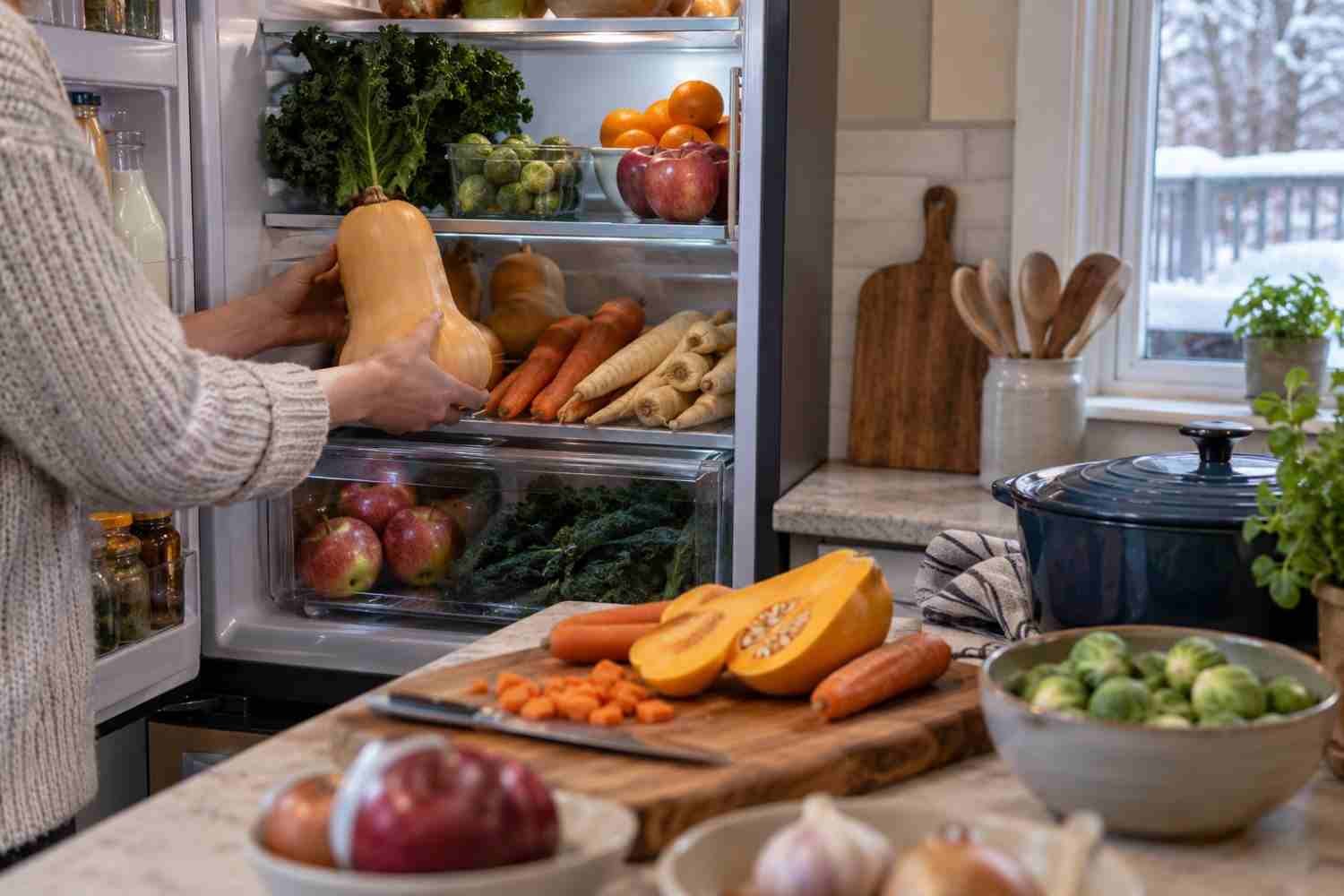
Winter cooking benefits from ingredients that can withstand colder storage and longer cooking. Kale is a standout leafy green because it adds substance to soups, stews, pastas, and grain dishes. Its sturdy leaves can also be sautéed with garlic or massaged into a salad when something lighter is needed.
Radishes bring a sharper personality. Depending on the variety and region, they can add peppery crunch to salads and sandwiches, or they can be roasted for a softer result. Root vegetables, cabbage, citrus, and winter squash can round out the same seasonal rotation, giving cooks plenty of options when tender summer produce is scarce.
How to Shop Without Overbuying
Seasonal shopping works best when quantity matches actual cooking plans. Buying a large amount simply because something looks inexpensive can create waste if there is no plan for using it.
A practical approach is to choose one or two seasonal ingredients as the starting point for the week’s meals. Build around them with familiar proteins, grains, herbs, and pantry staples. Check for firm texture, good color, fresh-looking leaves, and signs of bruising or spoilage. At farmers markets, ask what was harvested recently and how the vendor recommends storing it.
Remember that seasonality is regional. An ingredient plentiful in one state may be limited somewhere else. Grocery stores may also carry produce outside its local peak because modern supply chains extend availability.
Make Seasonal Cooking Easier
The goal is not to rebuild your entire menu every few months. Keep a few reliable techniques in rotation. Roasting works beautifully for cauliflower, squash, cabbage, and root vegetables. Quick sautéing suits asparagus, peas, and greens. Grilling brings out sweetness in corn and creates useful char on sturdy vegetables.
Seasonal cooking can pair naturally with winter recipes when colder weather arrives, especially if the focus shifts toward soups, braises, roasted vegetables, and hearty greens. The same flexible mindset works throughout the year.
FAQs: Seasonal Ingredients Worth Adding to Your Kitchen Rotation
1. What are seasonal ingredients?
Seasonal ingredients are foods naturally harvested or most readily available during a particular time of year. Availability varies by region, climate, and growing conditions.
2. Are seasonal ingredients always cheaper?
No. Seasonal abundance can improve value, but prices depend on location, weather, transportation, labor, and demand. Comparing stores and markets is still worthwhile.
3. What is the easiest way to start seasonal cooking?
Choose one or two ingredients that look fresh and plentiful, then plan several meals around them. Simple techniques such as roasting, sautéing, and grilling make the transition easy.
4. Can frozen produce be used in seasonal cooking?
Absolutely. Frozen produce is useful when fresh seasonal choices are unavailable or when you want to reduce waste. It also makes certain ingredients practical year-round.
Why A Seasonal Kitchen Stays Interesting
Cooking with seasonal ingredients is less about following a perfect calendar and more about noticing what is fresh, useful, and plentiful. A good kitchen rotation changes gradually: asparagus gives way to corn, corn gives way to cabbage, and sturdy greens carry meals through winter. That turnover encourages variety without demanding constant reinvention. It can also make familiar techniques feel new because the ingredient changes while the method stays comfortable. Most importantly, seasonal shopping gives everyday meals a stronger connection to the food itself, which is often where the best flavor starts.
A simple seasonal habit can carry a kitchen a long way: buy what looks good, learn how to treat it well, and let the next season bring something different. That approach also leaves room for personal taste. You can keep favorite staples on hand while allowing the produce aisle to determine what gets extra attention. Over time, those small decisions build cooking instincts that make shopping faster, meals more varied, and seasonal changes feel like an opportunity rather than another restriction without making it complicated.