A refrigerator full of groceries can look reassuring on shopping day, but a few days later, wilted greens, soft berries, forgotten leftovers, and dried-out ingredients can quickly turn that abundance into waste. I’ve found that how to keep food fresh longer has much less to do with clever kitchen hacks and much more to do with giving each food the right environment from the moment it comes home.
Temperature, moisture, airflow, ripening gases, and storage timing all influence how quickly food loses quality. By understanding those factors, I can keep produce crisp, protect cooked meals, extend shelf life, and make my grocery budget go further without sacrificing food safety.
What Makes Food Spoil Faster Than Expected?
Food freshness depends on more than the expiration date printed on a package. Temperature changes, microorganisms, excess moisture, oxygen exposure, and natural ripening can all shorten shelf life.
Moisture is especially tricky. Leafy greens need enough humidity to prevent wilting, but berries can develop mold quickly when excess condensation collects around them. Some fruits also release ethylene gas as they ripen, which can speed up ripening or deterioration in nearby produce.
I therefore avoid treating every grocery item the same way. Proper food storage means creating the right environment for each type of food.
What Refrigerator Temperature Keeps Food Fresh and Safe?
Temperature control is one of the most important steps I take.
The FDA (Food and Drug Administration) recommends keeping refrigerators at 40°F or below and freezers at 0°F. I use an inexpensive appliance thermometer because the temperature setting on the refrigerator doesn’t always show the actual internal temperature.
I also avoid overcrowding refrigerator shelves. Cold air needs room to circulate around food to maintain a consistent temperature.
The USDA identifies 40°F to 140°F as the food safety danger zone, where bacteria can multiply rapidly. Perishable food shouldn’t remain in this temperature range for more than two hours, or more than one hour when the temperature is above 90°F.
This matters particularly after grocery shopping, cooking, summer cookouts, and meal prep.
How Should I Organize My Refrigerator to Keep Food Fresh?
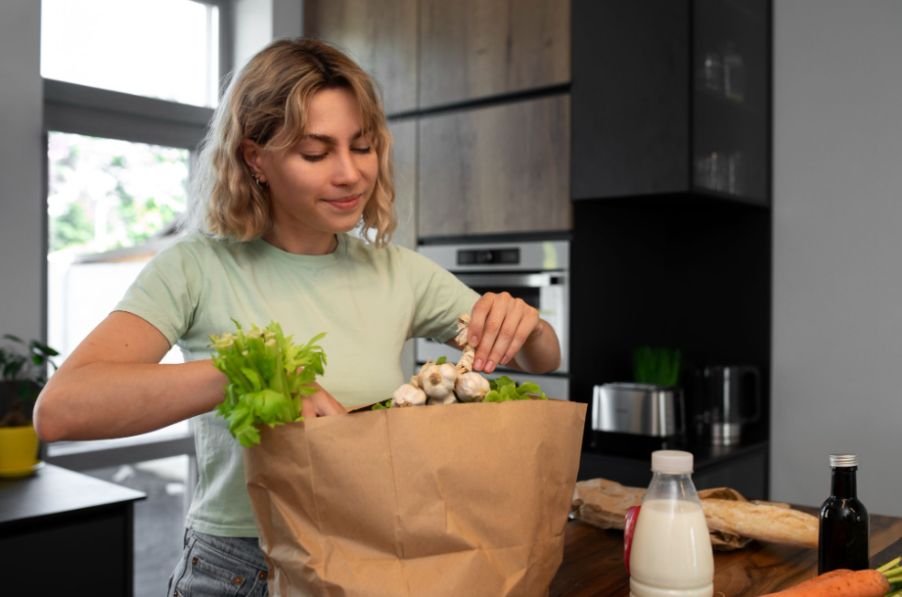
Good refrigerator organization does more than make ingredients easier to find.
I keep raw meat, poultry, and seafood securely wrapped or contained so juices cannot drip onto cooked meals, fresh produce, or ready-to-eat foods. I also clean spills quickly to reduce the risk of cross-contamination.
I reserve more temperature-stable refrigerator areas for highly perishable foods instead of automatically putting everything in the door.
I use crisper drawers strategically, too. Produce that wilts easily generally benefits from higher humidity, while foods that need more airflow often do better under lower-humidity conditions.
Most importantly, I keep older ingredients visible. A simple first-in, first-out system encourages me to use older groceries before opening new ones.
How Can I Keep Fruits and Vegetables Fresh Longer?
Keeping produce fresh requires controlling both moisture and ripening.
I don’t automatically wash delicate produce such as berries before storing it. Extra surface moisture can encourage deterioration, so I usually wash these foods shortly before eating them.
For leafy greens, I focus on moisture balance. After washing lettuce or spinach, I dry it thoroughly and store it in an appropriate container. A clean paper towel can absorb excess condensation and help prevent greens from sitting in moisture.
I also avoid washing produce until I am ready to use it unless it needs immediate preparation. Excess moisture can speed up spoilage for many vegetables and berries.
Planning meals around what is already in the refrigerator can make this even easier. A seasonal cooking guide can help me choose ingredients that fit the time of year and use fresh produce before it loses quality.
I also inspect berries and remove damaged or moldy pieces before they affect the rest of the container.
Cut or peeled vegetables need refrigeration. FDA guidance recommends promptly refrigerating perishable produce and keeping the refrigerator at 40°F or below.
Which Fruits and Vegetables Should I Store Separately?
One overlooked food storage tip is separating produce according to how it ripens.
Apples, bananas, pears, peaches, avocados, and tomatoes can release ethylene as they ripen. Keeping sensitive produce too close to strongly ripening fruit may shorten its usable life.
I also don’t put every vegetable in the refrigerator. Whole onions, garlic, and potatoes generally benefit from cool, dry, ventilated storage. I keep potatoes and onions separate rather than storing them together in one basket.
Understanding these small differences helps me extend shelf life without buying specialty food storage products.
Do Airtight Containers Really Keep Food Fresh Longer?
Airtight containers can be extremely useful, but they’re not automatically best for every ingredient.
I use sealed food storage containers for leftovers, cooked grains, prepared meals, chopped ingredients, cheese, sauces, and many pantry staples. Covered containers and sealed storage bags also help keep refrigerated food protected.
Glass containers work particularly well for meal prep because they resist odors and make it easy to see what I have. Good-quality food-safe plastic containers can work just as well when used appropriately.
However, I don’t trap damp produce inside an airtight container without considering condensation. Sometimes controlled airflow is more important than creating the tightest possible seal.
How Can I Keep Weekly Meal Prep Fresh and Safe?
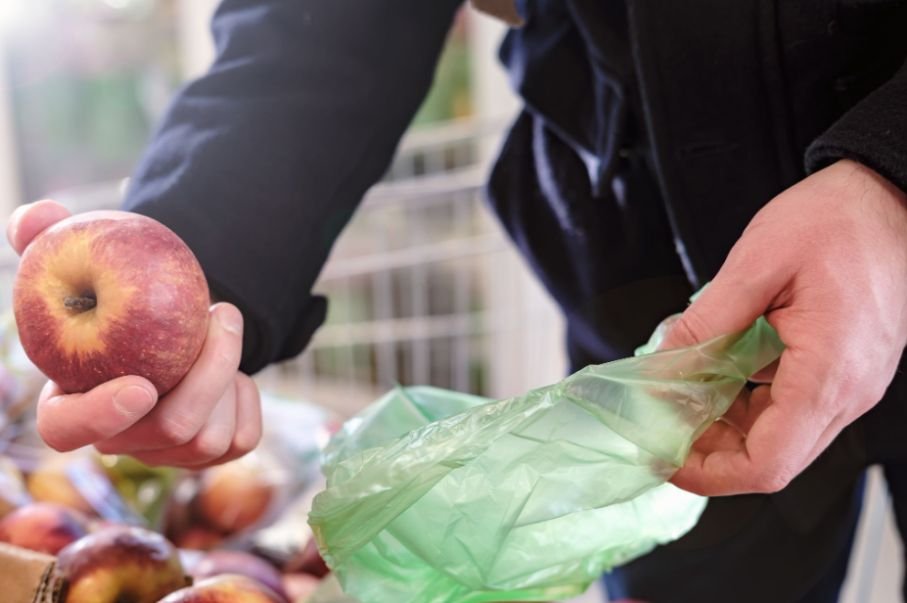
Meal prep needs a slightly different strategy because cooked foods have both freshness and food-safety limits.
I divide large batches into smaller, shallow containers instead of leaving food sitting in one deep pot. Shallow containers allow leftovers to cool more quickly in the refrigerator.
I don’t wait until food reaches room temperature before refrigerating it. Perishable prepared food and leftovers should generally be refrigerated or frozen within two hours.
For texture, I often store meal components separately. Keeping sauce away from rice, pasta, vegetables, or crispy ingredients until serving can prevent sogginess.
If I prepare more meals than I’ll reasonably eat within the next few days, I freeze later portions while they’re still fresh rather than hoping they’ll survive an entire week in the refrigerator.
When Should I Freeze Food Instead of Refrigerating It?
My freezer is one of my best tools for reducing grocery waste.
If I realize I won’t use bread, meat, prepared food, or leftovers soon enough, I freeze them before quality starts declining.
I use freezer-safe packaging, remove excess air when practical, and label containers with the contents and freezing date.
When thawing leftovers, I use the refrigerator, cold water, or microwave rather than leaving food on the kitchen counter.
How Should I Reheat Leftovers Safely?
When reheating leftovers, I don’t judge safety simply by whether the food feels warm.
USDA guidance recommends reheating previously cooked food and leftovers to an internal temperature of at least 165°F, measured with a food thermometer.
When I use a microwave, I cover and rotate or stir the food so it heats more evenly. Cold spots can remain even when part of the meal feels steaming hot.
For soups, sauces, and gravies, I reheat them thoroughly until piping hot.
How Can I Prevent Cross-Contamination During Food Prep?
Keeping food fresh isn’t useful if unsafe kitchen habits introduce harmful bacteria.
I keep raw meat and fresh produce separate during preparation. If I use the same knife or cutting board, I thoroughly wash it before switching foods.
I also avoid placing cooked meals on dishes or surfaces that previously held raw meat unless I’ve washed them properly.
Refrigerator storage follows the same principle: raw foods stay securely contained and away from ready-to-eat ingredients.
Good kitchen hygiene protects food quality while reducing the risk of foodborne illness.
How Can I Reduce Food Waste Before Food Goes Bad?
Storage starts with buying realistically.
I check my refrigerator, freezer, and pantry before grocery shopping so I don’t accidentally purchase ingredients I already have. I also plan meals around foods that need to be used first.
During the week, I move older yogurt, produce, leftovers, and opened ingredients toward the front of the refrigerator.
If something is approaching the end of its useful refrigerated life, I decide whether to cook it, freeze it, or incorporate it into another meal.
These small habits make food waste prevention part of everyday meal planning instead of something I think about only after food spoils.
What Are the Most Common Food Storage Mistakes?
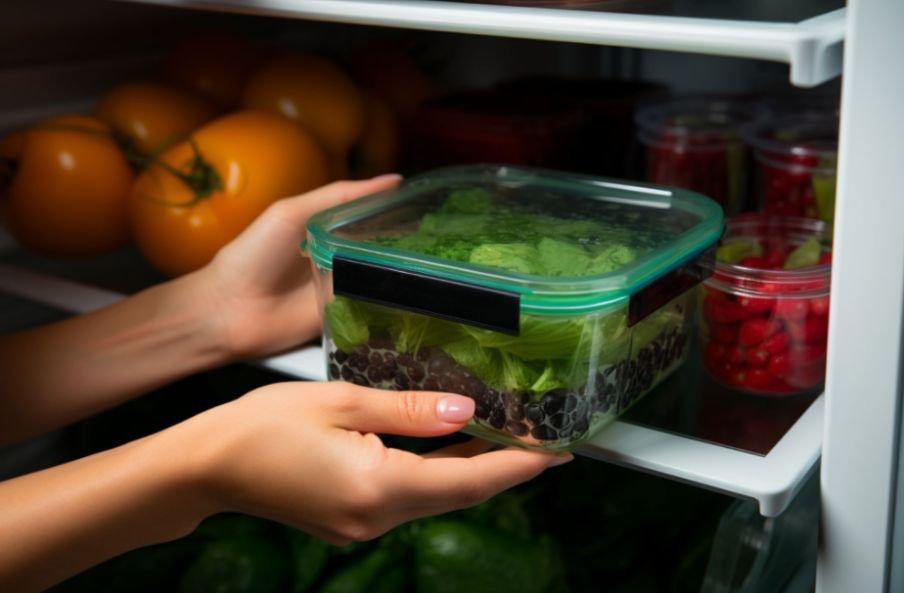
The mistakes that shorten food shelf life are usually simple ones: setting the refrigerator too warm, overcrowding shelves, leaving perishables out too long, storing wet produce incorrectly, forgetting leftovers at the back of the refrigerator, and buying more fresh food than I can realistically use.
Food storage tips can help me build better everyday storage habits, from organizing the refrigerator to protecting leftovers and pantry staples.
Another mistake is assuming that appearance or smell always confirms safety. Some harmful bacteria may be present even when food looks or smells normal.
When I’m genuinely uncertain about the safety of a highly perishable food, I don’t taste it to find out.
Frequently Asked Questions
1. What Is the Best Way to Keep Food Fresh Longer?
The best approach is to control refrigerator temperature, manage moisture, use appropriate food storage containers, separate foods that affect one another, refrigerate perishables promptly, and freeze ingredients before they spoil. Combining these habits usually works better than relying on a single storage hack.
2. What Temperature Should a Refrigerator Be for Food Storage?
The FDA recommends keeping a refrigerator at 40°F or below and a freezer at 0°F. Using an appliance thermometer helps verify that the refrigerator is actually maintaining a safe temperature.
3. How Long Can Cooked Food Sit Out Before Refrigeration?
Perishable cooked food generally shouldn’t remain at room temperature for more than two hours. When the temperature is above 90°F, that limit drops to one hour.
4. Are Glass Containers Better for Keeping Food Fresh?
Glass and food-safe plastic containers can both work well. I focus on a secure seal, appropriate size, moisture control, and whether the container is suitable for refrigeration, freezing, or reheating rather than choosing solely by material.
5. Should I Refrigerate All Fruits and Vegetables?
No. Many perishable fruits and vegetables benefit from refrigeration, while foods such as whole potatoes, onions, and garlic generally need cool, dry, well-ventilated storage. The ideal storage method depends on the specific produce.
Final Thoughts
Once I learned how to keep food fresh longer, I stopped treating storage as simply putting groceries into the refrigerator. Temperature, moisture, airflow, ethylene, food separation, freezing, cross-contamination, and meal planning all influence how much usable life I get from my groceries.
I find that the biggest improvements come from simple habits: keeping the refrigerator at 40°F or below, storing produce according to its needs, cooling leftovers promptly, freezing food I won’t use soon, and checking older ingredients before buying more. Together, these practical habits help preserve flavor and texture, improve food safety, reduce food waste, and make every grocery dollar go further.