I have opened the refrigerator halfway through dinner preparation only to discover an empty butter dish. Fortunately, finding a butter substitute for cooking is usually simple. Olive oil is the best all-purpose choice for sautéing and roasting, while avocado or canola oil works well at higher temperatures. Plant-based butter is the closest direct replacement when a dish needs buttery flavor and a creamy finish.
The right choice depends on the cooking method. Butter supplies fat, flavor, moisture, and sometimes structure, so one replacement cannot perform perfectly in every recipe. Here is how to select the best option and use it successfully.
Why Recipes Use Butter
Butter prevents sticking, carries seasoning, and adds richness. Its milk solids develop nutty notes as they brown, while its water can loosen a sauce or create steam. Sautéed vegetables mainly need fat, but mashed potatoes need richness and texture. Identify butter’s job before choosing its replacement.
Best Butter Alternatives for Everyday Cooking
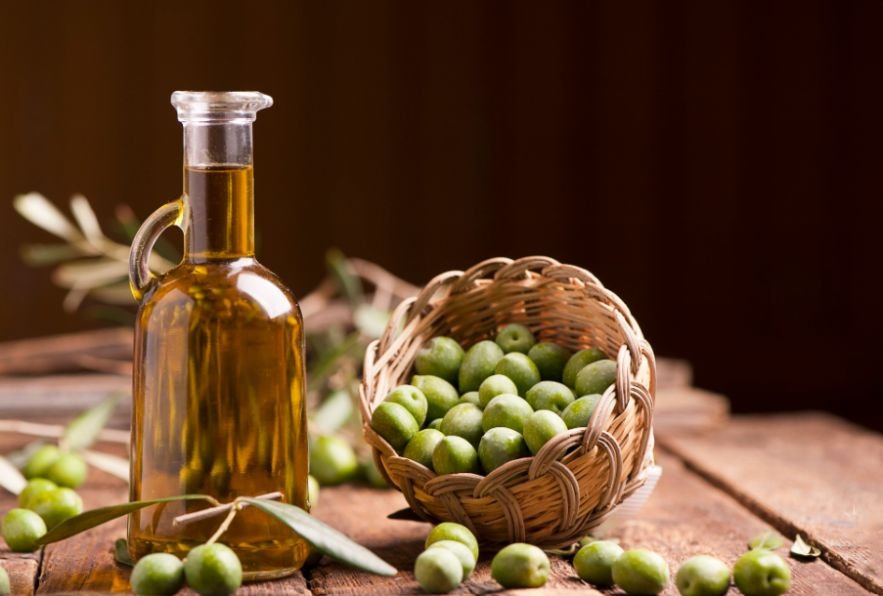
Olive Oil
Olive oil is the most versatile replacement for savory food. Use it to sauté vegetables, cook eggs, roast meat, dress pasta, or finish soup. Extra-virgin oil tastes fruity or peppery, while refined varieties are milder. Use an equal quantity in most stovetop dishes, or slightly less when merely coating a pan.
Avocado Oil
Avocado oil has a neutral flavor and tolerates relatively high cooking temperatures. It is particularly useful for searing, roasting, grilling, and stir-frying. Replace butter 1:1 in most savory preparations.
Canola or Vegetable Oil
These affordable, mild oils suit shallow frying, pan-frying, and dishes where fat should remain unnoticed. Use the same quantity as butter, adding herbs, spices, or acidity if the result lacks flavor.
Plant-Based Butter
Plant-based butter is the closest choice when taste and texture matter. It suits mashed potatoes, sauces, grilled sandwiches, and vegetables, usually at 1:1. Sticks are generally firmer than tub spreads. For a dairy allergy, verify the complete allergen statement.
These versatile swaps can also help when planning family dinner ideas that need simple, adaptable ingredients.
Coconut Oil
Coconut oil works when a semi-solid fat is needed. Refined oil is mild; unrefined oil tastes distinctly of coconut. It complements curries, sweet potatoes, and tropical sauces at a 1:1 ratio.
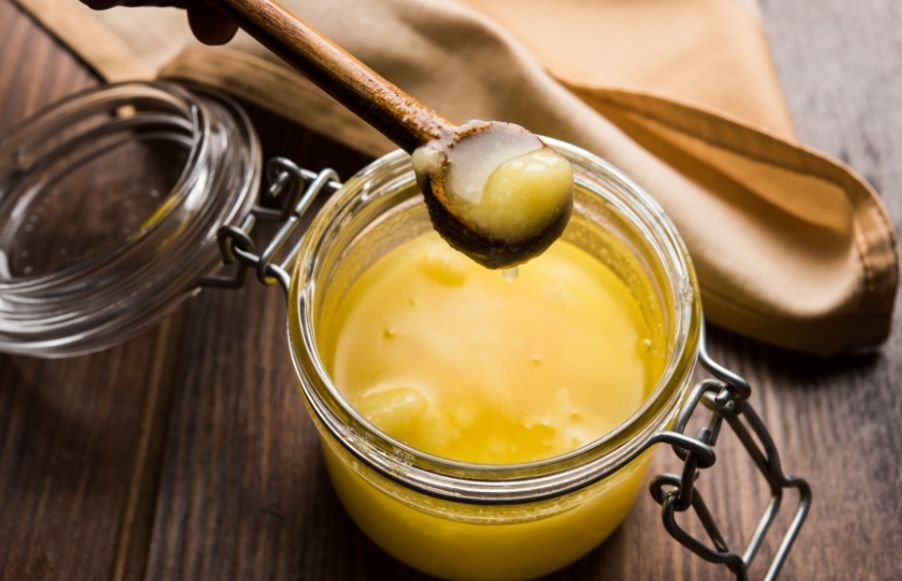
Ghee
Ghee supplies concentrated buttery flavor and handles higher temperatures. It is excellent for frying spices, cooking rice, sautéing, and searing. Use an equal amount or slightly less. Because it comes from butter, ghee is neither vegan nor safe to assume suitable for a milk allergy.
Margarine
Margarine can replace butter in many pan-cooked foods and sauces at a 1:1 ratio. Soft tub products may contain considerable water, causing splatter or a thinner result. Choose one intended for cooking and check its salt content before seasoning.
Mayonnaise
Mayonnaise promotes even browning on grilled sandwiches and can enrich eggs or mashed potatoes. Use a thin layer and expect mild tanginess. It is unsuitable for high-heat frying.
Rendered Animal Fats
Lard, bacon fat, chicken fat, and duck fat add savory character to potatoes, beans, and fried foods. Replace butter equally, but account for salt and smokiness. These options are not vegetarian.
Match the Replacement to the Method
For sautéing, olive oil is the easiest general choice. For high-temperature searing and frying, choose avocado, canola, or vegetable oil. Roasted vegetables suit olive or avocado oil, while potatoes pair well with ghee or rendered fat.
For creamy sauces and mashed potatoes, plant butter delivers the closest finish. Olive oil is lighter, while cream or dairy-free cream restores richness. Add liquids gradually.
For creamy sauces and mashed potatoes, plant butter delivers the closest finish. Olive oil is lighter, while heavy cream substitutes can restore richness and body in sauces and other dishes. Add liquids gradually.
When selecting a butter substitute for cooking, consider temperature, flavor, and dietary needs together. A neutral oil may perform technically well but disappoint in a sauce built around buttery richness. A strongly flavored fat, meanwhile, can overwhelm delicate eggs, fish, or vegetables.
Common Substitution Mistakes
Do not assume every alternative is automatically healthier; their nutritional profiles differ. Fruit purées can moisten selected baked goods, but they cannot sauté food or finish a savory sauce. Liquid oil also cannot reproduce solid butter’s structure in buttercream, laminated pastry, or recipes requiring creaming.
Finally, monitor salt. Plant butter, margarine, bacon fat, and some spreads may already be seasoned. Begin conservatively, taste near the end, and adjust after the ingredients have blended.
Frequently Asked Questions
1. What is the best butter substitute for cooking?
Olive oil is the best everyday replacement for vegetables, eggs, pasta, and many savory dishes. Choose avocado or canola oil for higher heat and plant-based butter when buttery flavor is essential.
2. Can I replace butter with oil in equal amounts?
Yes, a 1:1 exchange generally works for sautéing, frying, and roasting. Baking differs: many recipes use about three-quarters cup of oil for every cup of solid butter because oil contains no water or milk solids.
3. What can replace butter in a sauce?
Plant-based butter gives the closest finish. Depending on the recipe, olive oil, cream, crème fraîche, sour cream, or unsweetened dairy-free cream may also work. Add it gradually and whisk to maintain a smooth texture.
4. Which replacement is suitable for dairy-free meals?
Olive, avocado, canola, and coconut oils are dependable choices. Verified dairy-free plant butter also works. Read allergen labels carefully because ghee is dairy-derived and is not appropriate for a milk allergy.
Final Thoughts
I keep olive oil and one neutral high-heat oil nearby because together they solve nearly every last-minute substitution. Plant-based butter is my preferred backup for sauces, mashed potatoes, and grilled sandwiches where flavor matters as much as function. Once I match the fat with the temperature and intended taste, replacing butter feels practical rather than limiting