A useful kitchen does not need drawers packed with single-use gadgets. I have found that a smaller collection of dependable, versatile tools makes everyday cooking easier and keeps cabinets less cluttered. When I choose basic kitchen equipment, I focus on items that can handle several jobs, stand up to regular use, and make food preparation safer.
For US home cooks, start with dependable cookware, sharp knives, practical prep tools, and a few everyday utensils. Specialty appliances can come later, once you know what you actually use.
What Cookware Do You Really Need for Everyday Meals?
A 10-inch or 12-inch skillet is one of the most useful pieces of cookware in a home kitchen. Stainless steel is excellent for browning and searing, while cast iron holds heat well and can move from stovetop to oven. Either can handle meats, vegetables, eggs, and one-pan dinners.
A 2-quart to 3-quart saucepan with a lid works well for grains, sauces, oatmeal, boiled eggs, reheating leftovers, and warming liquids. For bigger meals, a 5-quart to 6-quart stockpot or Dutch oven gives you room for pasta, soups, chili, braises, and batch cooking.
I also recommend a rimmed half-sheet pan for roasting vegetables, baking cookies, cooking chicken, and making sheet-pan dinners.
Which Kitchen Knives Should a Beginner Own?
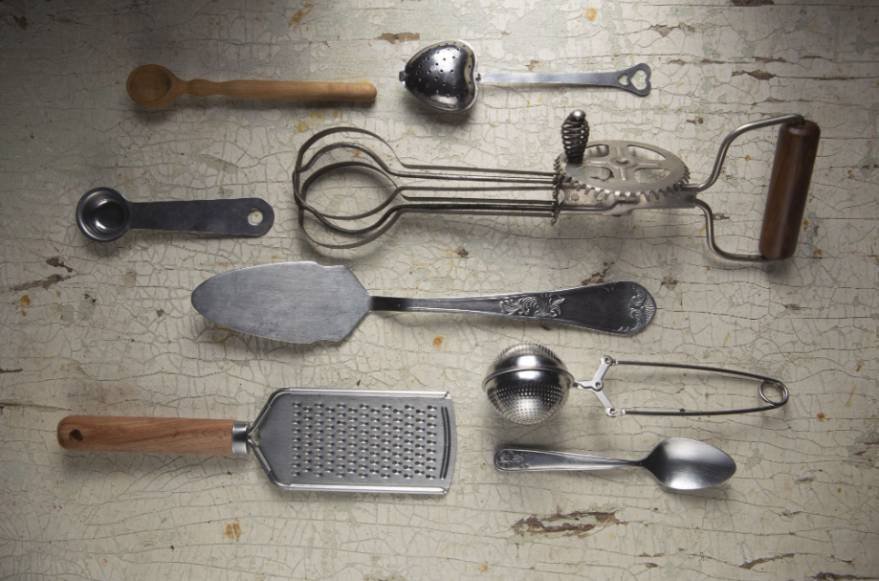
If I had to spend more on one prep tool, I would choose a comfortable, sharp chef’s knife. An 8-inch chef’s knife is versatile enough for chopping onions, slicing meat, mincing herbs, dicing vegetables, and crushing garlic.
A 3-inch to 4-inch paring knife is better for peeling fruit, trimming vegetables, and other detailed jobs.
Keeping these knives properly maintained is just as important as choosing the right ones. How to sharpen kitchen knives can help you maintain a clean, effective edge and make everyday prep easier.
Pair those knives with a large wooden or heavy plastic cutting board. Many cooks keep separate boards for raw meat and ready-to-eat foods to reduce cross-contamination. Whatever material you choose, keep the board clean, dry, and stable.
What Prep and Mixing Tools Make Cooking Easier?
Three nesting mixing bowls in stainless steel or glass cover most prep tasks without taking much cabinet space. I use them for mixing ingredients, tossing salads, marinating meat, whisking batters, and holding chopped food.
Keep dry measuring cups, a clear liquid measuring cup, and measuring spoons for accurate recipes.
A mesh or metal colander is useful for draining pasta, rinsing beans, and washing produce. A kitchen scale is optional but helpful for baking by weight.
Which Cooking Utensils Will You Use Most Often?
A flexible, heat-resistant silicone spatula is ideal for scraping bowls, folding ingredients, and stirring sauces. A wooden or heavy-duty plastic spoon works well for soups, grains, and sautéed foods without being harsh on cookware.
Tongs act like an extension of your hands, helping you turn meat, toss vegetables, serve pasta, and move hot ingredients safely. I also keep a balloon whisk nearby for beating eggs, blending dry ingredients, smoothing sauces, and emulsifying dressings.
What Kitchen Safety Tools Should Every Home Cook Have?
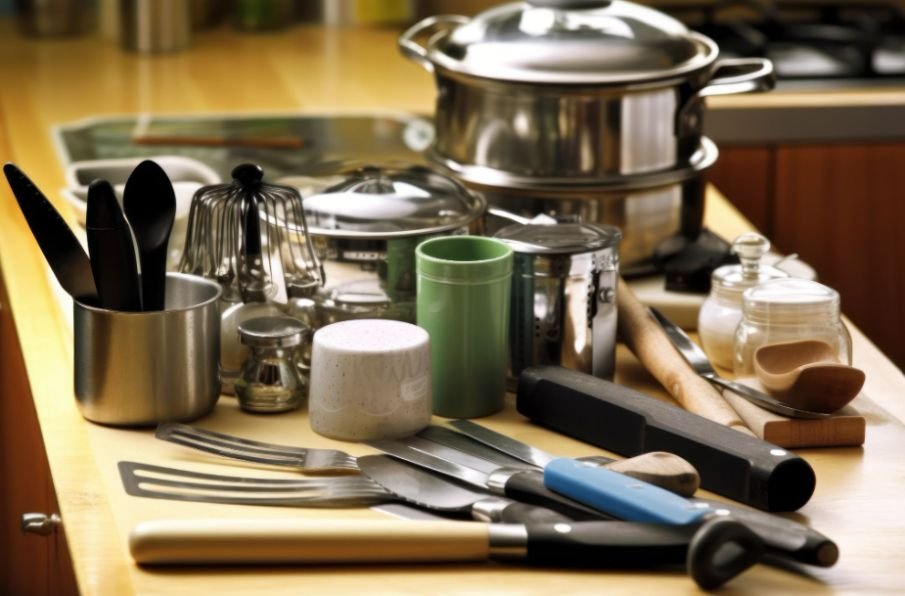
An instant-read food thermometer is one of the most practical safety tools a home cook can own. Kitchen safety tips also include using sturdy oven mitts, keeping cutting boards stable, and handling knives carefully to reduce common cooking hazards.
Sturdy oven mitts or pot holders are essential for handling hot pans and baking dishes. I also keep knives sharp, stabilize cutting boards, and turn pan handles away from counter edges.
Should You Buy a Full Cookware or Utensil Set?
Large matching sets look convenient, but they often contain pieces you rarely use. I prefer buying individual tools according to how I cook. That lets me spend more on a chef’s knife, skillet, saucepan, and thermometer while saving on simpler items such as mixing bowls, spoons, peelers, and measuring cups.
Material matters too. Stainless steel offers durability, cast iron provides strong heat retention, and nonstick pans are convenient for delicate foods such as eggs. Silicone and wood are useful around nonstick cookware because they are less likely to damage the surface.
Which Kitchen Appliances Can You Buy Later?
Small appliances should solve a real problem, not simply occupy counter space. A microwave, toaster, coffee maker, blender, air fryer, slow cooker, or stand mixer can be useful, but I recommend adding appliances only when your cooking habits justify the cost and storage space.
How Can You Build a Kitchen on a Budget?
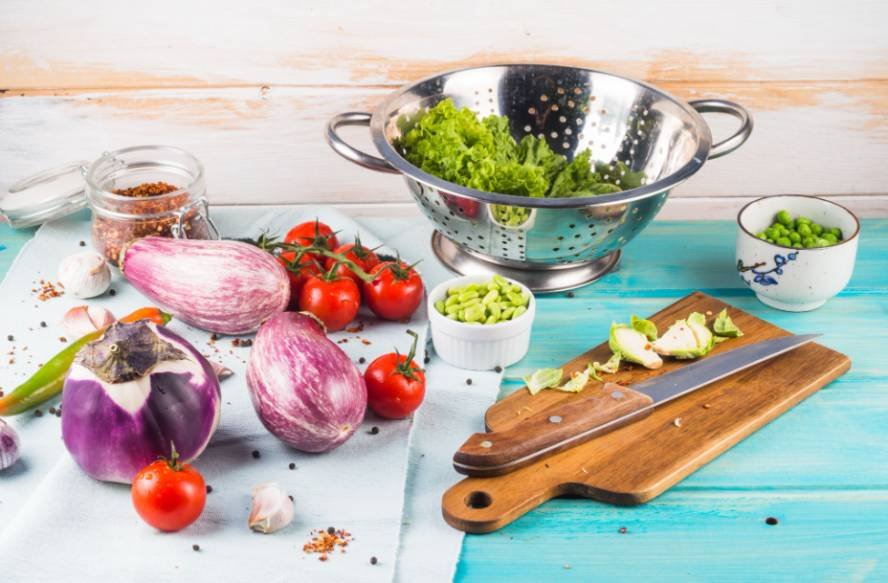
Start with tools that perform several jobs. If your budget is limited, prioritize a reliable knife and sturdy cookware, then add mixing tools and specialty equipment gradually.
I also suggest avoiding single-purpose gadgets unless you know you will use them frequently. A chef’s knife, whisk, tongs, or saucepan can often replace several specialized products while taking up far less space.
Choosing versatile basic kitchen equipment also helps first-time apartment renters and new homeowners avoid spending money on tools that may remain unused.
Frequently Asked Questions
1. What basic kitchen equipment should a beginner buy first?
Start with a chef’s knife, cutting board, skillet, saucepan, stockpot, sheet pan, mixing bowls, measuring cups and spoons, spatula, wooden spoon, tongs, whisk, colander, oven mitts, and instant-read thermometer. Together, these cover prep, cooking, baking, serving, and safety.
2. Is a 10-inch or 12-inch skillet better?
A 10-inch skillet works well for one or two people. A 12-inch skillet provides more cooking surface and is usually better for families, larger portions, and one-pan dinners.
3. Do I need both stainless steel and nonstick cookware?
Not necessarily. Stainless steel is durable and good for browning, while nonstick cookware makes delicate foods easier to release. Beginners can start with whichever best matches their usual meals.
4. What Kitchen Tools Are Unnecessary for Beginners?
Highly specialized gadgets are easiest to skip at first. If a knife, spoon, whisk, or pair of tongs can do the same job, I would usually wait before buying a single-use tool.
Final Takeaway
I believe the most useful kitchen is built around versatility rather than quantity. A few sturdy pans, sharp knives, dependable prep tools, and heat-safe cooking tools and utensils can take you from breakfast to a full family dinner without filling every cabinet.
Start with the tools you will use every week, choose sizes and materials that suit your household, and add specialty equipment only when you discover a genuine need.