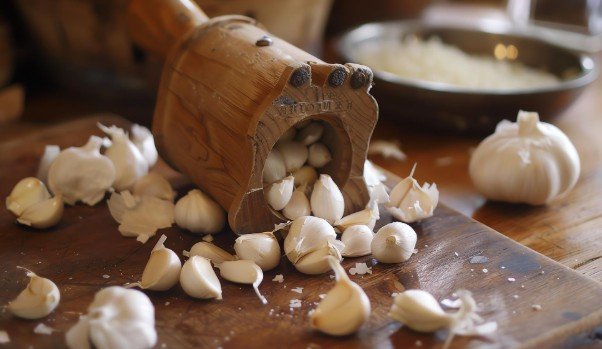
I used to assume that garlic would remain usable almost indefinitely. Its dry, papery covering makes it look remarkably durable, but its actual lifespan depends on whether the bulb is whole, separated, peeled, chopped, or cooked.
How long does garlic last under normal storage conditions? A complete, unpeeled bulb can remain fresh for three to six months, while peeled or chopped cloves deteriorate much faster.
Garlic Shelf Life at a Glance
A whole bulb generally keeps for three to six months in a cool, dry, dark, and ventilated location. Once a clove is removed from the bulb, its natural protection begins to weaken.
An individual unpeeled clove usually remains usable for approximately three weeks. Peeled cloves last about one week when refrigerated in a sealed container. Freshly chopped or minced garlic delivers its best flavor within one day, although it may remain usable for a few refrigerated days when handled correctly.
Cooked or roasted garlic generally keeps for three to four days in the refrigerator. Frozen garlic can maintain acceptable quality for several months, while commercially jarred garlic should be stored and used according to its package directions.
How Long Whole Garlic Bulbs Stay Fresh
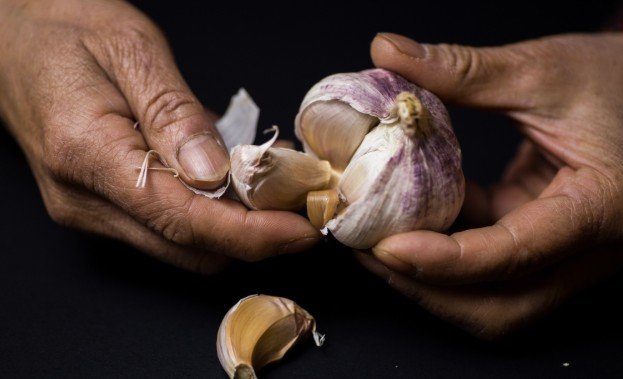
An intact garlic bulb has the longest natural shelf life because its layers of papery skin protect the cloves from moisture, light, and physical damage. Keep the bulb intact until you are ready to cook. Breaking it apart exposes the individual cloves and starts a much shorter freshness period.
Storage conditions matter as much as time. A bulb may last several months in a cool pantry but deteriorate quickly beside a warm stove or inside a humid cabinet. Garlic purchased with firm cloves, tight skin, and no visible damage also lasts longer than a bulb that has already begun to soften.
Hardneck and Softneck Garlic
Softneck garlic, which is commonly sold in supermarkets, generally stores longer than hardneck varieties. Under suitable conditions, some softneck bulbs remain usable for six months or longer. Hardneck garlic often offers a stronger or more complex flavor but may begin drying or sprouting after three to four months.
These are approximate ranges. The bulb’s age, curing process, variety, temperature, and humidity all influence its remaining storage life.
How Long Individual Cloves Last
Separating a clove from its bulb reduces its protection, even when the papery skin remains attached. An unpeeled clove usually lasts about two to three weeks in a dry, ventilated place.
Avoid peeling several cloves in advance unless you expect to use them soon. Peeled cloves should be transferred to a clean, airtight and refrigerated container. They normally retain good quality for up to one week.
Check refrigerated cloves before cooking. A clove that becomes slimy, unusually soft, moldy, or sour-smelling should be thrown away regardless of how recently it was stored.
Storing Chopped or Minced Garlic
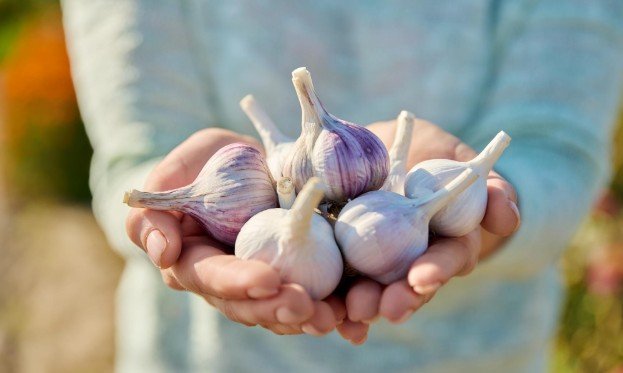
Cutting garlic damages its cells and exposes more surface area to oxygen and microorganisms. It also triggers the chemical reactions responsible for garlic’s intense aroma. That flavor changes as chopped garlic sits, so preparing only the amount needed for a recipe usually produces the best result.
Place leftover chopped garlic in a small airtight container and refrigerate it promptly. For the strongest flavor, use it within one day. If its texture, appearance, or smell changes, discard it rather than relying only on the storage date.
Commercial minced garlic is different from freshly chopped garlic. Jarred products may contain acidifying ingredients or preservatives that extend their shelf life. Refrigerate an opened jar when directed and follow its printed use-by and storage instructions.
Should Whole Garlic Be Refrigerated?
Refrigeration is not usually the best choice for intact bulbs. Refrigerator humidity can encourage sprouting, while temperature changes may cause condensation. Whole bulbs generally perform better in a pantry, basket, mesh bag, paper bag, or ventilated garlic keeper.
Peeled, chopped, roasted, and cooked garlic should be refrigerated. Keep these forms sealed to limit moisture exposure, contamination, and the transfer of garlic odor to other foods.
Never store garlic in a sealed plastic bag at room temperature. Trapped moisture can encourage mold and cause the cloves to soften.
How to Store Garlic Correctly
Choose a location away from sunlight, cooking heat, sinks, and humid appliances. Good airflow is essential, so use a wire basket, mesh bag, paper bag, or container with ventilation holes. Avoid sealed jars and unventilated plastic containers for whole bulbs.
Do not wash garlic before storing it, as added moisture can promote deterioration. Leave the skin attached, keep the bulb whole, and inspect stored garlic occasionally. Similar moisture-control principles apply when learning how to store mushrooms, although mushrooms require refrigeration rather than dry pantry storage. Remove a damaged garlic bulb before mold or moisture affects nearby bulbs.
People living in warm or humid climates may find that garlic does not reach the upper end of the usual storage range. Buying smaller quantities more frequently may be more effective than attempting to keep a large supply for several months.
Can Garlic Be Frozen?
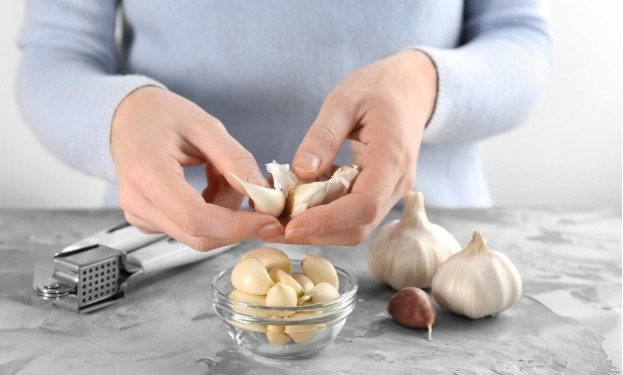
Garlic can be frozen whole, peeled, chopped, or puréed. Peel the cloves, spread them separately on a tray, and freeze them until firm. Transfer the frozen cloves to a tightly sealed freezer bag so they do not stick together or spread their aroma.
Chopped garlic can also be frozen in small recipe-sized portions. Freezing may soften its texture and slightly reduce its sharpness, so thawed garlic is generally better for soups, sauces, curries, casseroles, and other cooked meals than for raw preparations.
Label the container with the freezing date. Although properly frozen food can remain safe for a long period, using garlic within several months generally provides better flavor.
How to Tell If Garlic Has Gone Bad
Fresh garlic should feel firm, dry, and relatively heavy. The cloves should normally be white or ivory after peeling.
Discard garlic if you notice fuzzy mold, wet decay, extensive dark patches, a sour odor, or a soft and mushy texture. A dry, hollow clove is not necessarily dangerous, but it has lost much of its flavor and cooking value.
A green sprout does not automatically mean the garlic is spoiled. Sprouted cloves are generally edible, but the shoot can taste bitter. Cut the clove lengthwise and remove the green center when using it in a mild or raw dish.
Garlic-in-Oil Safety Warning
Homemade garlic submerged in oil requires special care. Garlic is a low-acid ingredient, and oil creates a low-oxygen environment in which dangerous bacteria may grow without producing an obvious smell or visible warning.
Never keep untreated homemade garlic-in-oil mixtures at room temperature. Refrigerate them immediately and use them within four days, or freeze them in small portions for longer storage. Commercial garlic-in-oil products are processed differently, so follow their labels.
Frequently Asked Questions
1. How long does garlic last after the bulb is opened?
Separated unpeeled cloves normally last about two to three weeks. Keep their skins attached and store them somewhere dry, dark, and ventilated.
2. Can old garlic make you sick?
Age alone does not always make garlic unsafe, but moldy, slimy, rotten, or improperly stored garlic should be discarded. Homemade garlic kept in oil demands particular caution because harmful toxins may develop without noticeable spoilage.
3. Can I eat yellow garlic cloves?
Slight yellowing can indicate aging and declining flavor. If the clove remains firm and smells normal, it may still be usable. Throw it away if yellowing appears with softness, mold, wetness, or an unusual odor.
4. What is the best container for fresh garlic?
A mesh bag, wire basket, paper bag, or ventilated ceramic keeper works well. The container should block excessive light while allowing moisture to escape.
Final Thoughts
When I want garlic to stay fresh, I leave the bulb intact and place it in a cool, dark location with plenty of airflow. My practical answer to how long does garlic last is three to six months for an intact bulb, approximately three weeks for separated unpeeled cloves, and around one week for peeled refrigerated cloves. Proper storage matters more than chasing an exact expiration date, so always inspect the garlic before using it.