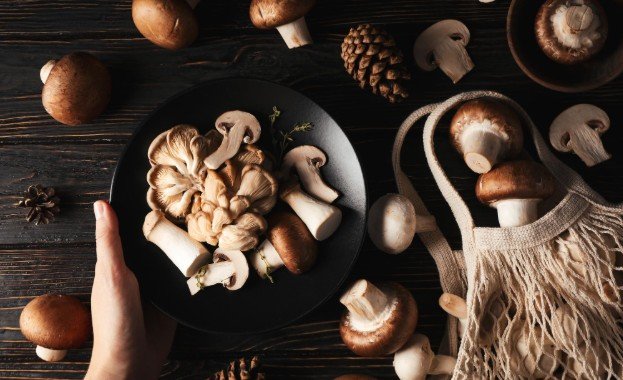
I have opened more than one promising package of mushrooms only to discover dark spots, wrinkles, or a slippery coating. The problem was not necessarily their age; it was often the way I stored them.
Learning how to store mushrooms properly comes down to controlling moisture, maintaining airflow, and choosing the right refrigerator location. With a simple paper bag and a few sensible habits, fresh mushrooms can remain firm, flavorful, and ready for cooking considerably longer.
The Quickest Way to Keep Mushrooms Fresh
Place whole, unwashed mushrooms in a plain paper bag. Fold the top loosely rather than sealing it tightly, and keep the bag on a regular refrigerator shelf.
The paper absorbs some of the moisture released by the mushrooms while still allowing air to circulate. A tightly sealed plastic bag or airtight container traps condensation against their delicate surfaces. This encourages skin discoloration, unpleasant odors, slime, and eventually mold.
If the mushrooms are in an unopened, ventilated supermarket package and you will use them within a day or two, leaving them in that package is generally convenient. Transfer them to a paper bag when you need longer storage or notice condensation inside the wrapping.
Why Mushrooms Spoil So Quickly
Fresh mushrooms contain a significant amount of water and remain biologically active after harvesting. They continue releasing moisture, even inside a refrigerator. Unlike produce protected by a firm peel, mushrooms have delicate surfaces that respond quickly to excess humidity.
Too much trapped moisture creates sliminess and microbial growth. However, completely exposed mushrooms can lose water, shrivel, and become leathery. Effective storage balances these extremes by providing ventilation without exposing the mushrooms to excessive dry air.
Temperature also matters. Refrigeration slows deterioration, but mushrooms should not touch an icy back wall or sit inside an area where they may accidentally freeze.
How to Refrigerate Fresh Mushrooms
Leave Them Unwashed
Do not wash mushrooms before putting them away. Additional water can remain between the caps and stems, accelerating deterioration.
Instead, brush away loose soil with clean fingers, a mushroom brush, or a dry paper towel. Clean the mushrooms immediately before cooking. A quick rinse is acceptable at that stage, provided you dry them promptly and avoid prolonged soaking.
Choose Breathable Packaging
A brown paper lunch bag is inexpensive and effective. Add the mushrooms without packing or crushing them, then fold the opening loosely.
If a paper bag is unavailable, line a shallow bowl with a dry paper towel, add the mushrooms in a loose layer, and cover them with another towel. An open or partially open plastic bag can work temporarily, but it should never be sealed.
Paper towels produce mixed results because they may become saturated. If you use one, examine it daily and replace it as soon as it feels damp.
Avoid the Humid Crisper Drawer
Many crisper drawers are designed to retain humidity for leafy vegetables. That environment can allow condensation to collect around mushrooms.
A middle or lower refrigerator shelf generally offers more consistent airflow and lower humidity. Keep the bag away from the refrigerator door, where repeated temperature changes may reduce freshness.
Keep Them Away From Strong Odors
Mushrooms can absorb surrounding aromas. Store them away from cut onions, pungent cheeses, strongly seasoned leftovers, and uncovered foods. Keeping the paper bag loosely folded offers some protection without eliminating ventilation.
How Long Do Fresh Mushrooms Last?
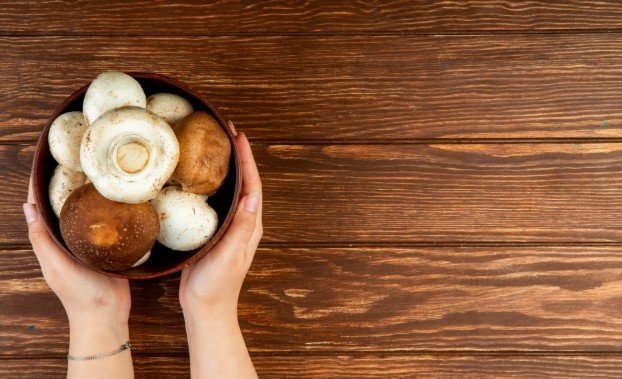
Most whole supermarket mushrooms remain in good condition for approximately five to seven days when refrigerated correctly. Very fresh, sturdy varieties may last longer, while delicate mushrooms can deteriorate sooner.
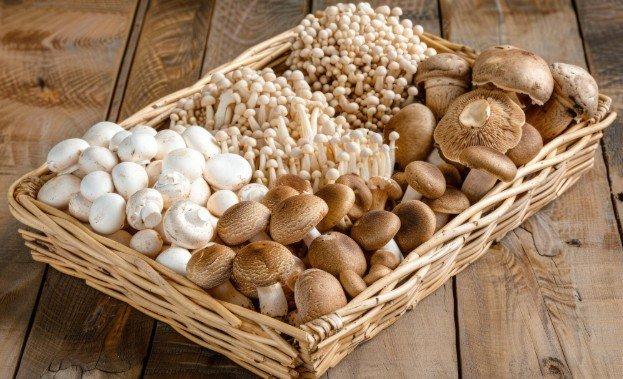
White button and cremini mushrooms are relatively durable. Portobellos also store well, although their exposed gills may darken. Shiitakes can remain usable for a week or more when dry and firm.
Oyster and maitake mushrooms are more delicate. Their thin edges bruise and dry easily, so plan to use them within several days. Enoki mushrooms should remain in their original breathable package until opened and should be discarded if they become slimy or develop an unusual smell.
These periods are estimates rather than guarantees. Freshness at purchase, refrigerator temperature, packaging, and handling all affect usable life.
Storing Sliced and Cooked Mushrooms
Sliced mushrooms deteriorate faster because more of their surface is exposed. Keep them in a paper towel-lined container with the lid slightly open and cook them within two or three days.
Cooked mushrooms require different handling. Let them cool briefly, but refrigerate them within two hours. Place them in a covered, food-safe container and generally use them within three to four days. Discard cooked mushrooms that have remained at room temperature for an extended period.
Can You Freeze Mushrooms?
Raw mushrooms contain enough water to become soft or rubbery after freezing and thawing. Cooking them first usually provides a better result.
Clean and slice the mushrooms, then sauté or steam them until most excess moisture has evaporated. Allow them to cool, spread them on a tray for preliminary freezing, and transfer the frozen pieces to a labeled freezer container. Individual freezing prevents them from forming one solid block.
Frozen cooked mushrooms work especially well in soups, sauces, casseroles, omelets, and pasta dishes where a slightly softer texture will not be noticeable.
How to Store Dried Mushrooms
Dried mushrooms need protection from air, heat, light, and moisture. Place them in an airtight jar or sealed container and keep them in a cool, dark pantry. Unlike methods used to store fresh herbs, dried mushrooms should remain completely dry to preserve their texture, aroma, and flavor.
Unlike fresh mushrooms, dried varieties benefit from airtight packaging because their preservation depends on remaining completely dry. Discard them if moisture enters the container or if you notice mold, insects, or an unusual odor.
Signs That Mushrooms Have Gone Bad
Slight wrinkling or minor browning does not always mean a mushroom is unsafe. Older but dry mushrooms can still work well in thoroughly cooked dishes.
Discard mushrooms when they have:
- A thick or sticky layer of slime
- Visible fuzzy mold
- Extensive dark or wet patches
- A collapsed, mushy texture
- A sour, fishy, or otherwise unpleasant odor
Never taste questionable mushrooms to determine whether they are safe. Wild mushrooms also require positive identification from a qualified expert before storage or consumption.
Frequently Asked Questions
1. What is the best method for how to store mushrooms?
Keep whole, unwashed mushrooms in a loosely folded paper bag on a regular refrigerator shelf. This arrangement controls condensation while allowing enough airflow to delay slime and mold.
2. Can I keep mushrooms in their original package?
Yes, particularly when the package is unopened and ventilated and you plan to use it soon. Move the mushrooms to a paper bag if condensation develops or the package has been opened.
3. Should I wash mushrooms before refrigerating them?
No. Store them dry and clean them immediately before cooking. If you rinse them, do it quickly and dry them without delay.
4. Can slightly wrinkled mushrooms still be eaten?
Mildly wrinkled mushrooms may still be suitable for cooking if they remain dry and smell normal. Discard them if they are slimy, moldy, mushy, or unpleasant-smelling.
Final Thoughts
I find that the simplest method is also the most dependable: dry mushrooms, breathable paper, and a regular refrigerator shelf. I check the bag occasionally, replace anything that has become damp, and cook delicate varieties first. Once I stopped sealing mushrooms in plastic and washing them in advance, I wasted fewer packages and enjoyed better texture in everything from stir-fries to soups.