
A wilted bunch of spinach, half a forgotten casserole, and produce hidden behind takeout containers may not seem like much. But when those small losses happen week after week, they quietly drain the grocery budget. I learned that reducing food waste is less about becoming a zero-waste expert and more about catching food before it becomes forgotten, spoiled, or unnecessary.
For me, the biggest improvements came from changing a few everyday habits: planning meals around what I already have, keeping older groceries visible, storing produce correctly, freezing extras early, and finding better uses for leftovers. These practical changes help me waste less food, spend more intentionally, and keep my kitchen much easier to manage.
How Can I Reduce Food Waste Before Grocery Shopping?
I get the best results when I start before I even leave for the supermarket.
Before making a grocery list, I check my refrigerator, freezer, and pantry. I look for vegetables that need to be cooked, meat that should be used soon, open packages, and ingredients I may have forgotten.
Then I plan meals around what I already own.
If I have spinach, eggs, mushrooms, and cheese, for example, I can plan an omelet or frittata rather than buying ingredients for another completely different meal. This simple habit helps prevent duplicate purchases and makes meal planning more efficient.
How Do I Make a Grocery List That Prevents Overbuying?
I write my grocery list around specific meals instead of buying foods because they seem useful.
I also consider how many meals I will realistically cook that week. If I know I will eat out twice, I do not shop as though I need seven full dinners.
Quantity matters too. Warehouse clubs and family-size packages can offer good value, but only when I can actually use or freeze everything. A large package is not a bargain if half of it ends up in the trash.
Sticking to a precise shopping list also reduces impulse purchases and helps me control my grocery spending.
Should I Buy Imperfect Fruits and Vegetables?
I do not automatically reject produce because it looks uneven, unusually shaped, or slightly different from the most attractive items on display.
If the produce is fresh and in good condition, an oddly shaped carrot, apple, tomato, or bell pepper can work just as well in my cooking.
Farmers markets, local produce stands, grocery stores, and some delivery services may offer imperfect produce that is perfectly usable. Choosing it when appropriate gives edible food a purpose instead of letting appearance determine whether it gets eaten.
How Should I Organize My Refrigerator to Reduce Food Waste?
Food that disappears behind other containers is surprisingly easy to forget.
I organize my refrigerator so older foods stay visible. I follow a simple first-in, first-out approach by moving older groceries toward the front and placing newer purchases behind them.
Small kitchen organization ideas can also help me make better use of limited storage space, especially when I need to keep food visible and easy to access. I also create an “eat first” section for leftovers, ripe produce, open dairy products, and other foods that need attention.
Clear containers help because I can see exactly what I have. When I store leftovers, I add a date so I do not have to guess how long they have been sitting in the refrigerator.
What Temperature Should My Refrigerator Be?
I keep my refrigerator at 40°F or below to help maintain food safety and slow spoilage.
I also avoid overcrowding it. Cold air needs room to circulate, and an overpacked refrigerator makes ingredients harder to see.
A clean, organized refrigerator gives me a quick picture of what needs to be eaten before I buy more food.
How Can I Store Fruits and Vegetables So They Last Longer?
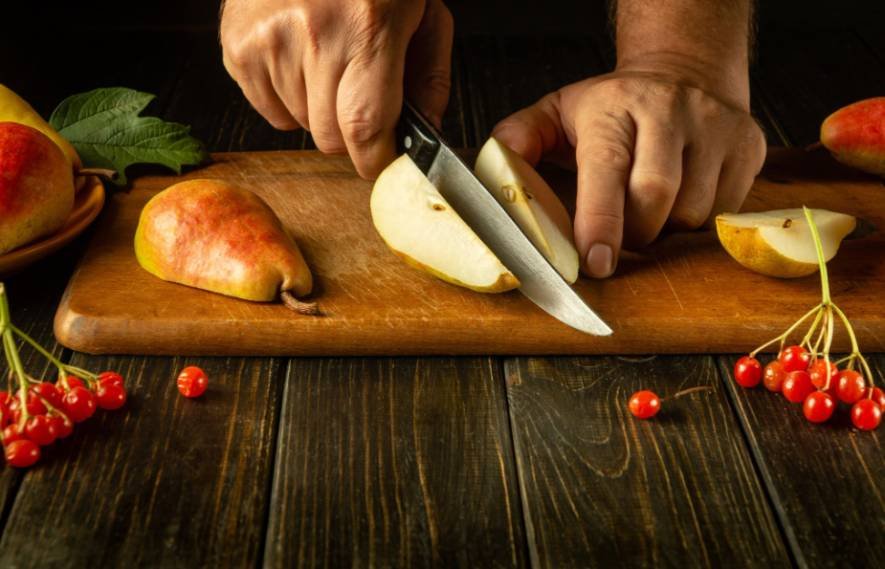
Produce storage can make a major difference in preventing food waste. Learning how to sharpen kitchen knives can also help me prepare fruits and vegetables with cleaner, more controlled cuts, making it easier to use what I need without unnecessarily damaging the rest. I do not assume every fruit and vegetable should be stored the same way. Some foods benefit from higher humidity, while others need drier conditions.
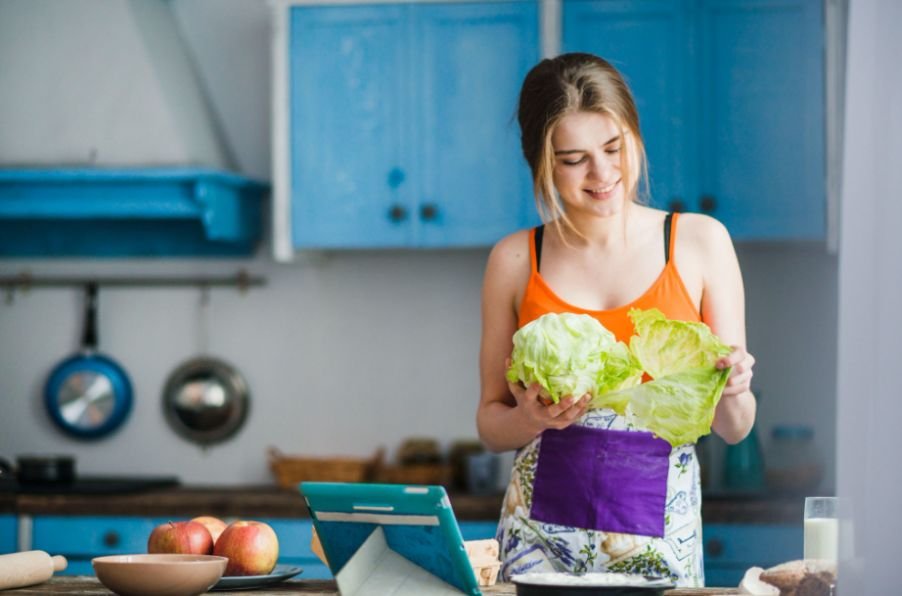
Leafy greens generally last longer when I keep excess moisture under control and store them in an appropriate refrigerator drawer or container. Fresh herbs may stay usable longer when stored according to their moisture needs.
I also separate certain ripening fruits from produce that may deteriorate quickly around them. Bananas, apples, tomatoes, and other ethylene-producing foods can speed up ripening in nearby produce.
Understanding basic food storage helps me keep fruits and vegetables fresh longer and prevents repeated replacement purchases.
How Do Food Date Labels Affect Food Waste?
Date labels can cause unnecessary waste when I treat every printed date as an automatic disposal deadline.
Terms such as “Best If Used By,” “Sell By,” and similar labels may indicate different things depending on the product. Some are primarily related to quality rather than an exact moment when food becomes unsafe.
Instead of making assumptions, I consider the type of food, how it was stored, package condition, and appropriate food-safety guidance.
I am especially cautious with perishable foods. If I am uncertain whether a food is safe, I do not take unnecessary risks simply to avoid waste.
Understanding food expiration dates allows me to make better decisions without throwing away food prematurely.
How Can Freezing Food Help Me Prevent Waste?
My freezer acts like a pause button for many foods.
Instead of waiting until ingredients are close to spoiling, I freeze them while they are still in good condition.
Bread, cooked rice, meat, soups, sauces, baked goods, ripe bananas, berries, and many prepared meals can be frozen successfully.
When bananas become too ripe for my preference, I freeze them for smoothies. If I make too much soup, I portion the extra into freezer-safe containers. If I know I will not finish a loaf of bread, I freeze part of it immediately.
I label frozen foods with the name and date so they do not become forgotten mystery packages.
How Do I Turn Leftovers Into New Meals?
I waste fewer leftovers when I stop thinking of them as meals that must be reheated exactly as they were served originally.
Cooked chicken can become tacos, sandwiches, soup, pasta, or a grain bowl. Leftover rice is ideal for fried rice. Roasted vegetables can go into pasta, omelets, casseroles, or wraps.
Soft fruit can become smoothies or baked dishes, while stale bread can be transformed into croutons, breadcrumbs, French toast, or bread pudding.
Flexible meals make leftover food easier to use because I can combine several small ingredients at once.
Soups, tacos, frittatas, grain bowls, stir-fries, casseroles, and pasta dishes are some of my favorite ways to clean out the refrigerator without making dinner feel like leftovers.
How Can I Use More Parts of the Food I Buy?
I also try to get more value from individual ingredients.
Broccoli stems can be sliced and cooked instead of discarded. Citrus zest can add flavor to baked goods, sauces, dressings, and marinades. Herb stems may work in stocks, soups, sauces, or blended preparations.
Certain clean vegetable trimmings can also be saved for homemade stock when they are suitable and safe to use.
I do not force myself to use every scrap. My goal is simply to notice edible parts that I previously discarded without thinking.
How Can Portion Control Reduce Household Food Waste?
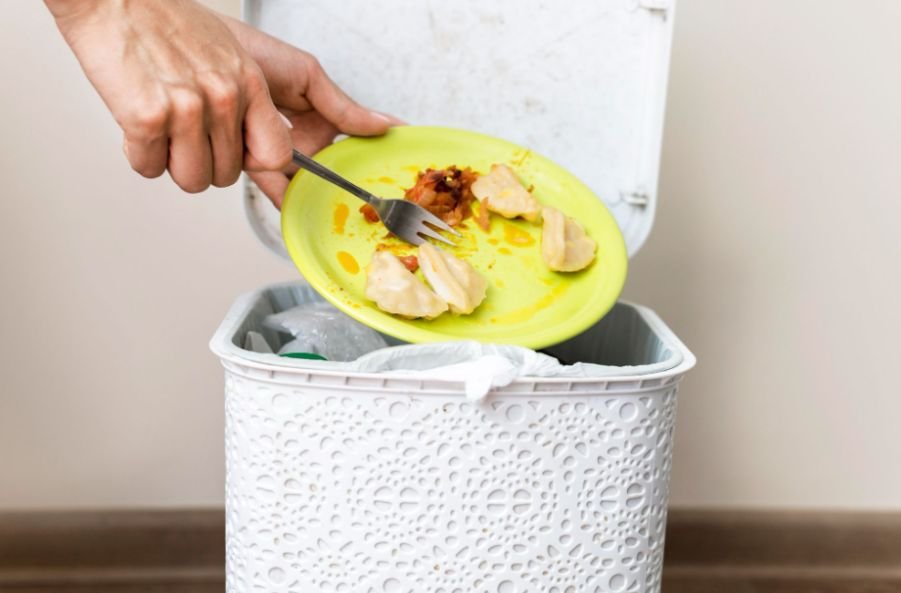
Cooking too much can create waste even when I shop carefully.
I estimate portions based on who will actually be eating. When I intentionally prepare extra food, I decide in advance whether those portions will become lunch, dinner the next day, or freezer meals.
I also serve moderate first portions. Anyone who wants more can go back for seconds.
Food that remains untouched in the cooking dish is usually easier to store appropriately than food that has already been served and left unfinished on individual plates.
Should I Track What Food My Household Throws Away?
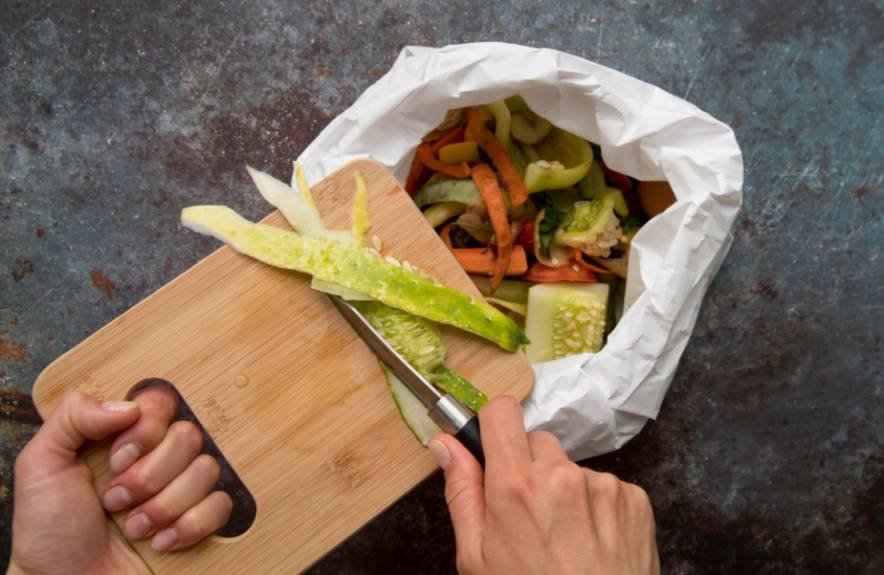
One of the most useful things I can do is conduct a short food waste audit.
For about a week, I pay attention to what gets discarded and why.
Maybe salad greens repeatedly spoil. Perhaps I cook too much pasta. Maybe leftovers disappear behind other containers, or I keep buying an ingredient my family simply does not enjoy.
Once I identify the pattern, I can fix the real problem.
If berries spoil quickly, I buy smaller amounts or freeze some immediately. If leftovers get forgotten, I move them to the front of the refrigerator. If one ingredient constantly gets thrown away, I stop buying it out of habit.
Tracking household food waste turns a vague goal into a practical plan.
Should I Donate or Compost Food I Cannot Use?
Preventing edible food waste comes first, but sometimes I still have food I cannot personally use.
If I have unopened, appropriate food that I know I will not eat, I consider whether a local food pantry or community organization accepts donations.
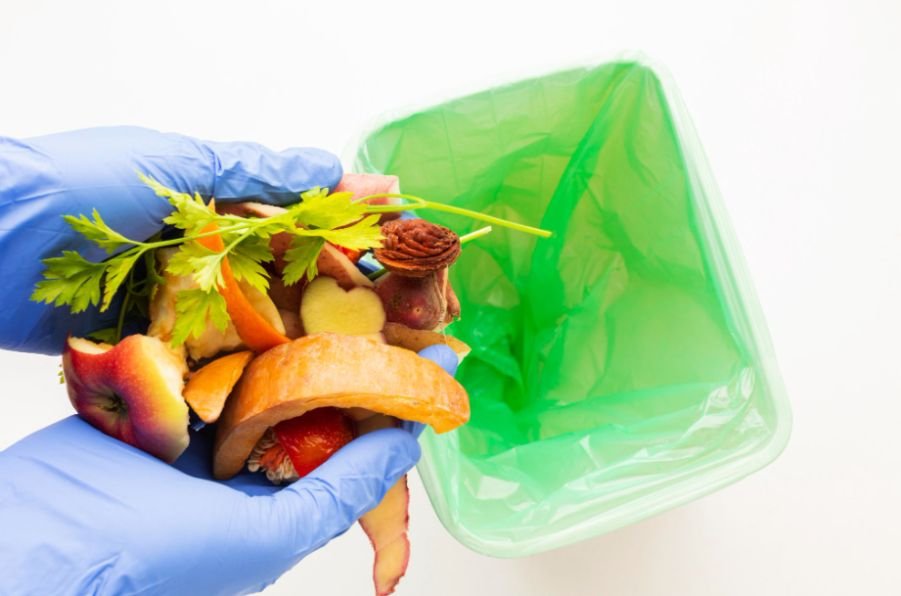
For unavoidable food scraps, composting can be another useful option. Coffee grounds, eggshells, and some fruit and vegetable scraps can often be composted depending on the system being used.
I view composting as a backup rather than the main solution. Preventing excess food from being purchased or prepared is usually more effective than managing it after it becomes waste.
Frequently Asked Questions
1. What are the best ways to reduce food waste at home?
The most effective habits include checking food before shopping, planning meals, buying realistic quantities, storing groceries correctly, organizing the refrigerator, freezing excess food, controlling portions, and turning leftovers into new meals.
2. How does meal planning reduce food waste?
Meal planning gives groceries a specific purpose. I can shop according to the meals I expect to cook instead of buying ingredients without a plan, which reduces duplicate purchases and forgotten produce.
3. What foods can I freeze to prevent waste?
Many foods freeze well, including bread, meat, cooked grains, soups, sauces, ripe fruit, baked goods, and prepared meals. I freeze food while it is still in good condition and store it in practical portions.
4. Why is reducing food waste important?
Reducing food waste can lower household grocery expenses, make better use of the food I already buy, reduce unnecessary disposal, and help me run a more efficient kitchen.
How to Reduce Food Waste Without Making Life Complicated
For me, reducing food waste is not about creating a perfect zero-waste kitchen. It is about building small habits that make sense in everyday life.
I check my kitchen before shopping, plan meals around food I already have, organize older groceries where I can see them, freeze extras early, cook realistic portions, and repurpose leftovers into meals I actually want to eat.
Those small decisions add up. They help me spend less on replacement groceries, keep my refrigerator more organized, and make better use of the resources that went into producing the food in the first place.
Once these habits become part of my normal routine, reducing food waste stops feeling like a sustainability project and starts feeling like smarter kitchen management.