

I used to think better cooking meant learning harder recipes, buying better cookware, or mastering chef-level techniques. In reality, some of my biggest improvements came from fixing simple habits I barely noticed—crowding a skillet, seasoning too late, rushing prep, or cutting into meat before it had time to rest.
Once I understood the most common cooking mistakes to avoid, everyday meals became much easier to control. Paying closer attention to heat, moisture, seasoning, timing, and preparation can turn bland dinners, soggy vegetables, and dry proteins into food that tastes noticeably more polished without making cooking complicated.
Why Does Preparation Matter Before Cooking?
Read the Recipe Before Turning on the Heat
Starting before reading the full recipe can create chaos. I read everything first, so I know whether ingredients need chopping, thawing, resting, or preparing in a certain order. This also helps with understanding dry proteins, especially when a recipe requires soaking, seasoning, or other preparation. That prevents surprises halfway through cooking.
Use Mise en Place
Mise en place means getting ingredients ready before cooking. I chop vegetables, measure seasonings, open cans, and prep proteins before heating the pan. It is especially helpful for fast dishes where garlic or butter can burn quickly.
Having the right essential kitchen tools ready before you start can make mise en place faster and help keep the cooking process organized.
Keep Knives Sharp and Cutting Boards Stable
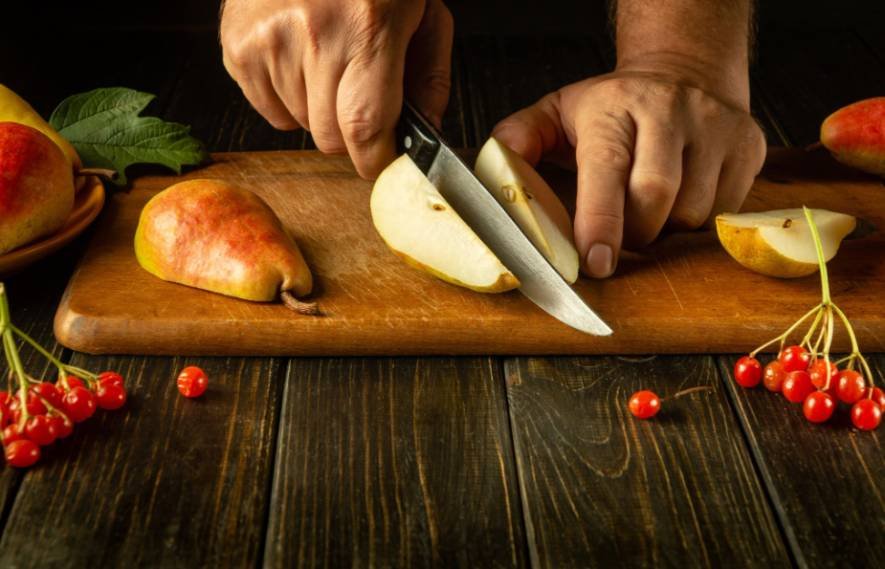
A dull knife requires more pressure and can slip more easily. I keep knives sharp and use a claw grip, curling my fingertips inward while guiding food with my knuckles. I also place a damp paper towel or nonslip mat beneath the cutting board so it stays in place.
Why Is My Food Not Browning Properly?

Preheat the Pan for Searing and Sautéing
Adding food before a skillet reaches the right temperature can encourage sticking and weak browning. For searing or sautéing, I preheat the pan appropriately. Some techniques intentionally begin with a cold pan, so I follow the method rather than treating preheating as an absolute rule.
Do Not Overcrowd the Skillet
Crowding traps steam and lowers the pan temperature. Chicken, mushrooms, or vegetables may turn soft instead of browned. I cook in batches or use a larger pan so moisture can escape.
Dry Food Before You Sear It
Surface moisture works against browning. When I want a good sear, I pat meat and moisture-heavy vegetables dry first, especially water – rich foods, so the surface can develop better color, texture, and deeper flavor.
Why Does Homemade Food Taste Bland?
Taste as You Cook
Recipes cannot account for every broth, tomato, cheese, or spice blend. I keep a clean tasting spoon nearby and check soups, sauces, curries, and stews as they develop. Tasting in stages makes flavor easier to correct.
Season in Layers With Salt and Acid
I season gradually instead of adding everything at the end. If a dish tastes properly salted but still seems flat, a little lemon juice, lime juice, or vinegar can brighten it. More salt is not always the answer.
Choose Fresh Flavor Ingredients When They Matter
Convenience products save time, but they do not always deliver the same flavor. Fresh garlic and freshly squeezed citrus usually give me a brighter aroma and cleaner taste than long-stored alternatives.
Is Cooking Everything on High Heat a Mistake?

Match the Heat to the Cooking Method
High heat helps with searing, but it can burn garlic, butter, spices, and delicate foods. I adjust the burner as the dish develops. Medium or low heat often gives better control when softening aromatics or building a sauce.
Know When to Simmer Instead of Boil
A hard boil and a gentle simmer are not interchangeable. Aggressive boiling can break delicate ingredients apart, toughen some proteins, or reduce sauces too quickly. For simmering, I look for small, steady bubbles.
How Do I Stop Meat From Turning Dry or Undercooked?
Do Not Treat Recipe Times as Exact
Cooking times are estimates. Meat thickness, starting temperature, pan material, oven calibration, and appliance performance can change the result. I use the clock as a guide and check the food itself.
Use an Instant-Read Thermometer
Cutting into meat to check doneness releases moisture and does not reliably prove that the center is safe. For US kitchens, FoodSafety.gov lists 165°F for poultry, 160°F for ground meats, and 145°F with a three-minute rest for beef, pork, lamb, and veal steaks, chops, and roasts.
Let Meat Rest Before Slicing
I avoid slicing meat immediately after cooking. Resting allows temperature and moisture to redistribute and can reduce how much liquid runs onto the cutting board. The ideal rest depends on the size and type of meat.
Can You Fix a Cooking Mistake After It Happens?
Often, yes. If food tastes bland, I check salt, acidity, herbs, and aromatics. If a sauce is watery, I simmer it gently to reduce excess liquid. If ingredients are steaming because the pan is crowded, I remove some and continue in batches. Slightly dry meat can often be improved with a suitable sauce, broth, salsa, or gravy.
Which Cooking Habits Help Beginners Improve Fastest?

For me, the biggest improvements came from prepping first, controlling heat, tasting often, choosing the right pan size, and watching the food instead of following a timer blindly.
Having the right basic kitchen equipment also makes these habits easier to follow, from a sharp chef’s knife and sturdy cutting board to a reliable skillet, thermometer, and essential cooking utensils.
Understanding why food browns, steams, burns, or tastes flat makes problems easier to fix.
Frequently Asked Questions
1. What Are the Most Important Cooking Mistakes to Avoid for Beginners?
The biggest beginner errors include skipping preparation, overcrowding pans, using the wrong heat, failing to taste food, guessing meat doneness, and slicing proteins too quickly. Mastering those basics makes everyday meals more consistent.
2. Why Does My Food Steam Instead of Brown?
The usual causes are overcrowding, excess surface moisture, or a pan that is not hot enough. Give ingredients more space, dry them when appropriate, and use the right temperature.
3. Why Does My Food Taste Flat Even After Adding Salt?
A dish may need acidity rather than more salt. Lemon juice, vinegar, tomatoes, or another acidic ingredient can add brightness and balance rich flavors.
Final Takeaway
I do not think better cooking requires perfect technique. It requires attention. Once I stopped rushing prep, crowding pans, blasting everything with high heat, and treating recipe times as guarantees, my meals became easier to control. These habits create a stronger foundation for safer, more flavorful, and more consistent home cooking.