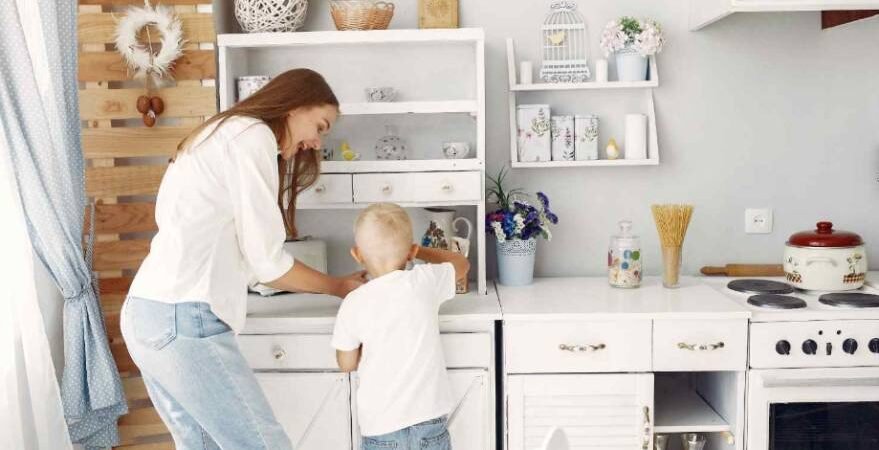
A compact kitchen can feel crowded even when it technically has enough storage. I have learned that the real challenge is usually placement, not square footage. The best small kitchen organization ideas help me clear counters, use cabinet height, and keep everyday tools easy to reach.
Whether I am working with an apartment kitchen, a narrow galley layout, or a smaller American home, I organize around one simple rule: the things I use most should be the easiest to access.
How Do I Organize a Small Kitchen With Limited Storage?
I always start by decluttering before buying organizers. Duplicate utensils, expired pantry foods, rarely used gadgets, and oversized appliances can quietly consume valuable kitchen storage.
Next, I categorize everything by frequency of use. Everyday plates, cookware, spices, coffee supplies, and cooking utensils stay within easy reach. Holiday serving pieces, specialty bakeware, and appliances I rarely use can move to upper cabinets or secondary storage.
This approach prevents valuable cabinet and counter space from being occupied by things I barely touch.
How Can I Maximize Cabinet and Vertical Space?
Vertical kitchen storage ideas is one of the fastest ways to increase usable space. Shelf risers create another level inside cabinets, allowing me to organize plates, bowls, mugs, canned foods, and pantry staples without creating unstable stacks.
Lazy Susans are particularly useful in corner cabinets and deep shelves. Instead of reaching around bottles and jars, I can rotate the turntable and bring oils, spices, sauces, and condiments forward.
Under-shelf baskets are another clever solution. They slide beneath an existing shelf and create extra storage for lightweight items such as foil, kitchen towels, food wraps, or snacks.
I also make unused walls work harder. Wall rails, pegboards, hooks, and magnetic knife strips can hold utensils, scissors, knives, or lightweight cookware while freeing drawers and countertops.
Making the most of cabinets, shelves, walls, and other storage areas is an important part of how to organize a kitchen efficiently.
What Is the Best Way to Organize Small Kitchen Drawers?
Drawers quickly become junk zones when everything shares one open space. Adjustable drawer dividers and shallow storage bins help me separate flatware, spatulas, measuring tools, cooking gadgets, and food-storage accessories.
For cookware and bakeware, I prefer vertical file-style organizers. They allow me to line up skillets, pot lids, cutting boards, baking sheets, and muffin tins instead of stacking everything on top of one another.
Reusable bottles in plastic can also waste cabinet space. Horizontal water bottle organizers or wine-rack-style grids keep bottles from rolling around, falling over, or taking up an entire shelf.
How Do I Keep Small Kitchen Countertops Clear?
Counter space is too valuable to become permanent appliance storage. I follow what I call the daily-use rule. If I use an appliance every day, it can stay on the counter. If my blender, stand mixer, or specialty appliance comes out only occasionally, I store it elsewhere.
I also group frequently used ingredients instead of scattering them around. A compact tray near the stove can hold cooking oil, salt, pepper, and everyday seasonings. This keeps prep space open while making cooking essentials convenient.
How Can I Use Cabinet Doors for Extra Kitchen Storage?
The inside of a cabinet or pantry door is valuable storage space that often goes unused.
Adhesive hooks can hold aprons, oven mitts, measuring tools, or dish towels. Over-the-door baskets can organize cutting boards, plastic wrap, aluminum foil, cleaning supplies, or other lightweight kitchen essentials.
I always measure before installing door-mounted storage. An organizer that is too deep may hit an interior shelf and prevent the cabinet from closing properly.
How Should I Organize Under the Kitchen Sink?
Plumbing can make the cabinet beneath the sink awkward to organize, but a few simple storage solutions can make a major difference.
I use small bins or narrow pull-out organizers to group cleaning products. When the plumbing configuration allows it, a tension rod can hold spray bottles above the cabinet floor, leaving more room for sponges, dishwashing supplies, and trash bags.
Household cleaners should always be stored according to their labels and kept safely away from children and pets.
Can I Create Pantry Storage Without a Pantry?
A dedicated pantry is helpful, but it is not necessary.
A slim rolling cart can fit beside a refrigerator or inside another narrow gap and provide storage for canned foods, cooking oils, spices, snacks, or baking ingredients. Freestanding shelves can create similar pantry storage when an open wall is available.
Clear, stackable airtight containers can also reduce bulky packaging while making flour, rice, lentils, pasta, and cereal easier to identify.
I do not throw away important information when decanting food. I keep cooking directions, expiration dates, and allergen details from the original package whenever necessary.
How Can I Create Functional Zones in a Small Kitchen?
I find that a kitchen becomes easier to use when I organize by activity rather than simply by product category.
Cooking oils, everyday spices, and utensils stay near the stove. Knives and cutting boards belong near the main food-prep area. Dishwashing supplies stay close to the sink, while coffee mugs, filters, and other coffee essentials remain near the coffee maker.
When planning these zones around shared meals, you can also explore family dinner ideas for practical meal inspiration that works well for the whole household.
Creating kitchen zones reduces unnecessary movement and makes meal prep feel more efficient, especially during busy weekday mornings, family dinners, and established weekday breakfast habits.
What Are the Best Renter-Friendly Kitchen Storage Solutions?
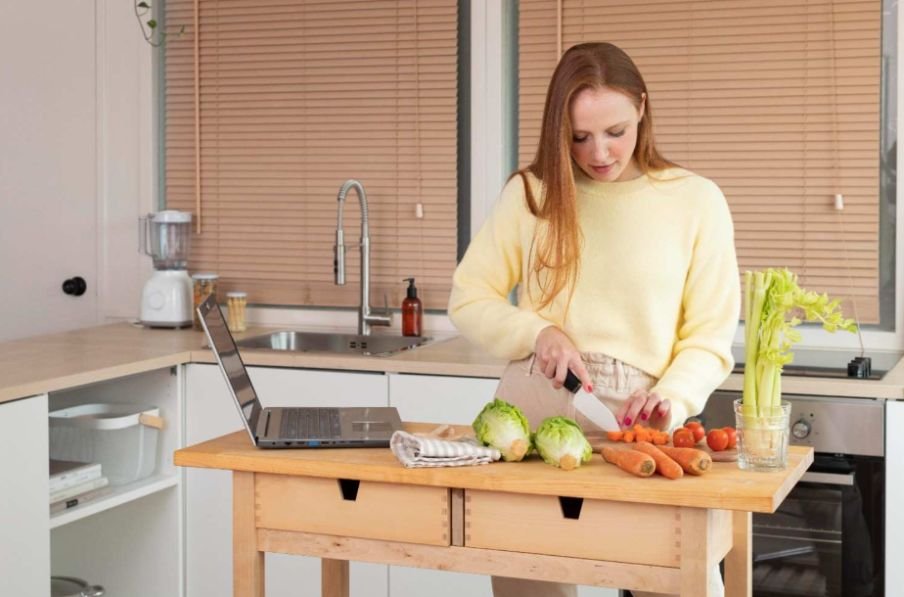
Renters do not need to remodel their kitchens to gain extra storage.
I prefer removable hooks, magnetic organizers, under-shelf baskets, shelf risers, rolling kitchen carts, tension rods, over-the-door organizers, and freestanding shelving.
Before attaching adhesive storage to cabinetry or painted walls, I check the manufacturer’s instructions because some adhesives may damage certain finishes.
What Small Kitchen Organization Mistakes Should I Avoid?
One of the easiest mistakes is buying organizers before measuring the available space. I measure cabinet width, depth, shelf height, door clearance, and narrow appliance gaps before ordering anything.
I also avoid filling every cabinet. A little open space makes containers easier to remove and gives the organization system room to adapt.
Most importantly, I organize for convenience rather than appearance. A cabinet that photographs beautifully but makes everyday cooking harder is not truly organized.
Frequently Asked Questions
1. What are the easiest small kitchen organization ideas to try first?
Start by clearing countertops, removing duplicate utensils, adding drawer dividers, installing shelf risers, and moving appropriate cooking tools onto wall or cabinet-door storage. These changes can increase usable space without an expensive kitchen remodel.
2. Are Lazy Susans worth using in a small kitchen?
Yes. Lazy Susans work especially well for deep shelves, corner cabinets, sauces, oils, spices, and condiments because everything remains accessible without moving several items first.
3. Should I decant every pantry item into clear containers?
Not necessarily. Clear airtight containers can save space and help you see inventory quickly, but I keep original labels whenever I need expiration dates, preparation instructions, or allergen information.
4. How do I organize a small kitchen on a budget?
I start with decluttering because it costs nothing. Then I prioritize inexpensive improvements such as drawer dividers, adhesive hooks, shelf risers, tension rods, and simple storage bins before investing in larger organization systems.
Make Every Inch Work Harder
I have found that a compact kitchen works best when storage supports the way I actually cook. Shelf risers, Lazy Susans, under-shelf baskets, vertical pan racks, water bottle organizers, rolling carts, cabinet-door storage, magnetic strips, and clear containers can all make limited space more functional.
When I declutter first, use vertical space wisely, keep counters focused on daily essentials, and create logical cooking zones, even a tiny kitchen can feel calmer and more spacious. The most effective organization system is not the one with the most containers. It is the one that makes everyday cooking easier and stays organized long after the initial cleanup.