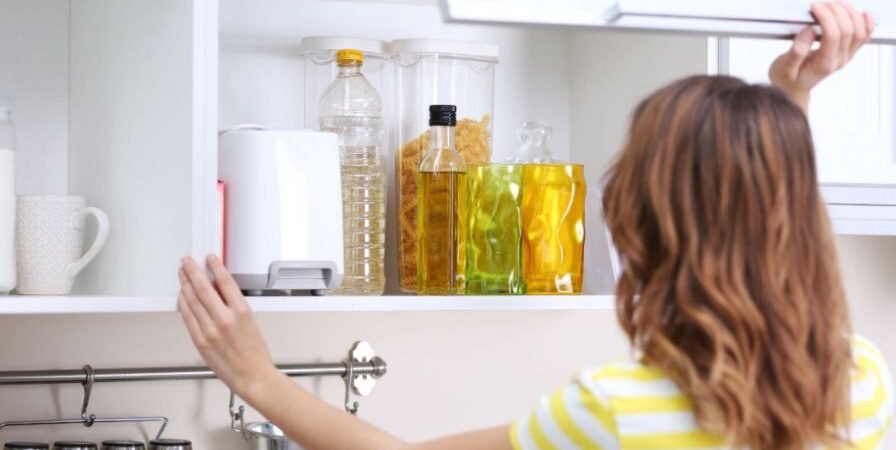
My kitchen used to tell me exactly where the problems were. A spatula disappeared into an overstuffed drawer, the lid I needed was always behind three pans, and groceries somehow ended up wherever there was an empty shelf.
That is when I realized how to organize a kitchen has less to do with making everything look perfect and more to do with making every movement easier. Once I started arranging the space around cooking habits, daily routines, and frequency of use, the kitchen stopped feeling like a storage puzzle and started working like a well-planned workspace.
Why Is Decluttering a Kitchen the Best First Step?
Among the most useful kitchen organization ideas, decluttering comes first. Before I add drawer dividers, shelf risers, or storage bins, I empty one cabinet or drawer at a time and sort everything into three groups: keep, donate, and discard.
Expired spices, cracked containers, duplicate utensils, and unused gadgets go first. Everyday dinnerware, cookware, and basic ingredients deserve easy access, while seasonal roasting pans and holiday platters can move to higher shelves.
How Do I Divide My Kitchen Into Five Activity Zones?
A five-zone layout makes kitchen organization easier because every item stays close to the task it supports.
What Belongs in the Cooking Zone?
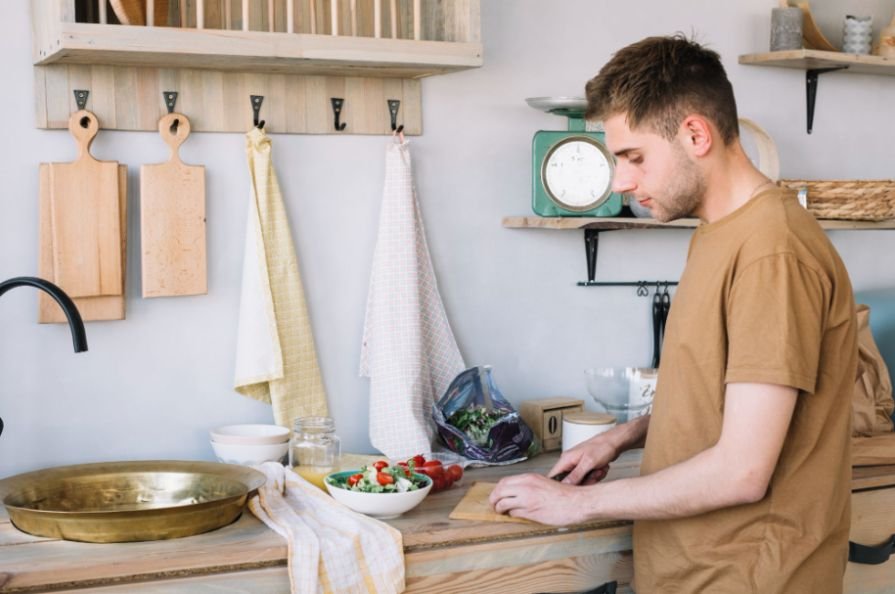
I keep pots, pans, baking sheets, oven mitts, and cooking utensils beside or below the range whenever possible. Spatulas, ladles, and tongs go in a nearby drawer or utensil crock. Frequently used oils and seasonings stay easy to reach but away from direct heat.
Knowing the difference between baking and roasting can also help determine which cookware and oven tools deserve the most accessible storage.
What Should Go in the Prep Zone?
My prep zone sits around the main countertop workspace. I store cutting boards, knives, mixing bowls, peelers, measuring tools, and prep gadgets nearby. This reduces unnecessary movement during weeknight meal prep.
It also helps to understand how to cook chicken properly so the tools and preparation steps are easy to organize around the cooking workflow.
How Should I Organize the Consumables Zone?
The consumables zone covers the refrigerator, pantry, and food-storage cabinets, making pantry organization easier. I group similar foods together so I can quickly see what is available.
Baking ingredients stay together, breakfast foods get their own section, and canned goods remain visible. I sometimes decant flour, sugar, cereal, and snacks into sealed clear containers, while keeping important expiration, allergen, and cooking information.
What Goes in the Cleaning Zone?
I center this zone around the sink and dishwasher. Dish soap, sponges, dishwasher supplies, trash bags, and recycling items stay close by. Pullout bins can make under-sink storage easier.
Where Should Everyday Dishes Go?
The storage zone should make dishwasher unloading fast. I keep plates, bowls, mugs, and glasses in an upper cabinet or deep drawer within a step or two of the sink or dishwasher.
Which Kitchen Items Deserve Prime Storage Space?
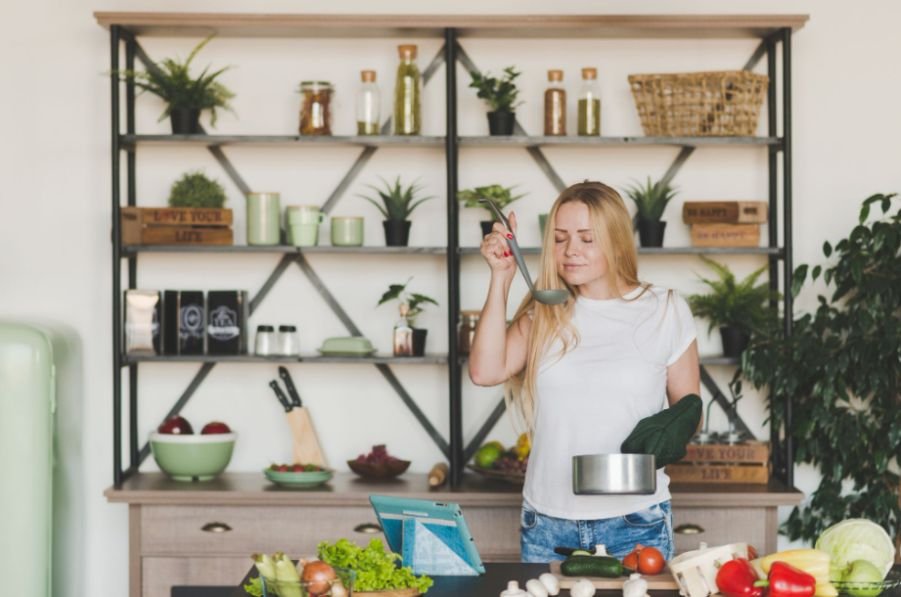
I treat waist-to-eye-level shelves as prime kitchen real estate for items I reach for several times a day. Lower cabinets and deep drawers work better for heavy cookware, cast-iron skillets, appliances, and large mixing bowls. Top shelves are better for seasonal pieces such as Thanksgiving platters or specialty bakeware.
Organizing by frequency of use prevents valuable cabinet space from being wasted on things I rarely need.
How Do I Organize Kitchen Cabinets and Drawers for More Space?
Good kitchen storage ideas use vertical kitchen storage, not just shelf width.
Shelf risers can create another level for plates, bowls, mugs, or canned foods. Lazy Susans make bottles, condiments, and jars easier to reach in deep cabinets. Small racks or adhesive hooks inside cabinet doors can hold measuring spoons, pot lids, or boxes of foil.
When I organize kitchen drawers, drawer dividers keep flatware, cooking tools, wraps, and small gadgets separated. Vertical dividers work well for sheet pans, cutting boards, muffin tins, and lids.
A securely mounted magnetic knife strip can also free counter or drawer space when positioned away from children.
How Do I Organize Pots, Pans, and Countertops?
I keep heavy pots and cast iron in lower storage where I can lift them safely. I nest cookware when the finish allows it, but I avoid tall stacks that make one pan difficult to reach. This simple approach reflects many professional organising principles, where accessibility and ease of use matter just as much as appearance.
For lids, I use a vertical rack, narrow divider, or door-mounted holder. For countertop organization, I keep only appliances and tools I use often enough to justify the space.
A coffee maker may earn a permanent spot in many American kitchens, while an occasional slow cooker, blender, or specialty appliance can move into a cabinet or pantry.
Keeping counters relatively clear also gives me more room for meal prep and makes wiping surfaces faster.
How Can I Organize a Small Kitchen With Limited Storage?
For small kitchen organization, I look upward before adding furniture. Wall rails, magnetic storage, cabinet-door racks, hooks, shelf risers, and above-cabinet storage can increase capacity without using floor space.
I favor multipurpose tools, such as a mixing bowl that can double as a serving bowl. I also avoid filling limited cabinets with duplicates or single-purpose gadgets that I rarely use.
Every inch matters in a compact kitchen, but that does not mean every inch needs to be filled.
How Do I Keep My Kitchen Organized Long Term?
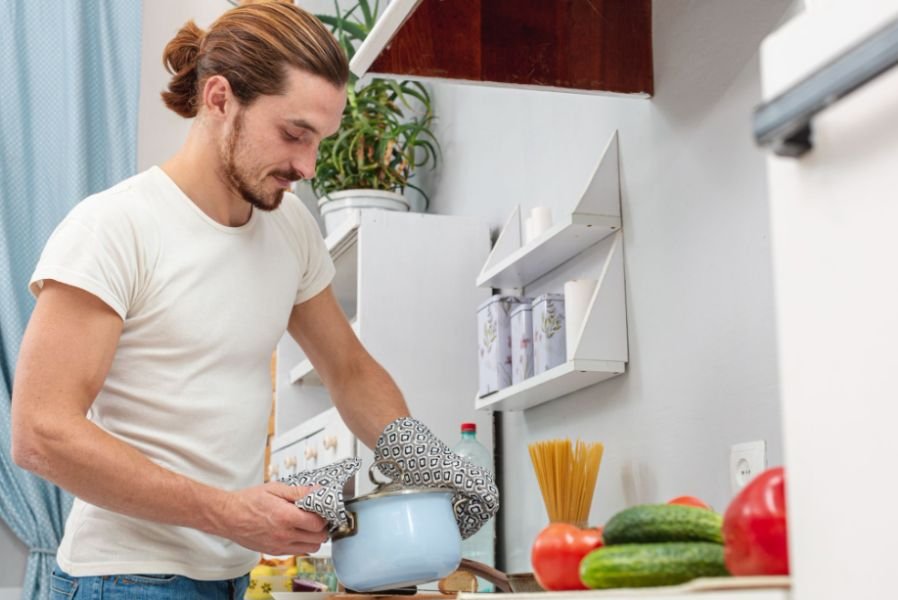
I return items to their assigned zones after cooking, rotate older pantry food toward the front, and review expiration dates regularly.
If I repeatedly leave something on the counter, I treat that as a sign that its assigned location is inconvenient.
I also resist buying a new kitchen organizer simply because it looks useful. I first identify the storage problem, measure the available space, and decide whether the product will actually improve my workflow.
Frequently Asked Questions
1. What Is the Best Way to Organize a Kitchen?
The best way to learn how to organize a kitchen is to organize around workflow first. Create cooking, prep, consumables, cleaning, and storage zones, then place frequently used items in the easiest-to-reach areas.
2. What Should Go in Upper and Lower Kitchen Cabinets?
I use upper cabinets for lighter items such as glasses, mugs, dishes, and pantry staples. Lower cabinets are better for heavy cookware, small appliances, large bowls, and food-storage containers.
3. Should I Decant Everything in My Pantry?
No. Clear containers can improve visibility and reduce bulky packaging, but they are not necessary for every food. I decant only when the container seals well and makes storage simpler.
4. How Often Should I Declutter My Kitchen?
I prefer quick seasonal reviews. Checking the kitchen every few months helps me remove expired food, unused gadgets, and duplicates before clutter becomes difficult to manage.
A Kitchen That Works With You
Once I started organizing around zones, frequency of use, and accessibility, my kitchen became easier to cook in and maintain. The biggest improvement came from giving every item a logical home and keeping everyday tools close to where I need them. A well-planned layout can also support better kitchen hygiene in daily life by making surfaces easier to clean and reducing unnecessary clutter.
The goal is not to create a showroom kitchen. I want a practical space where food is easy to find, cookware is easy to reach, counters stay usable, and cleanup does not become another chore. When the storage system follows the way I actually live and cook, staying organized becomes much easier.