
The first time I tried recreating bistro-style chicken, I expected an elaborate process involving specialist equipment and hours beside the stove. Instead, I discovered that its luxurious character comes from a handful of well-timed techniques.
This bistro chicken recipe combines golden chicken, tender mushrooms and a velvety Dijon sauce in one skillet. It feels elegant enough for entertaining, yet the straightforward preparation makes it equally practical for an ordinary evening.
What Makes Chicken Bistro-Style?
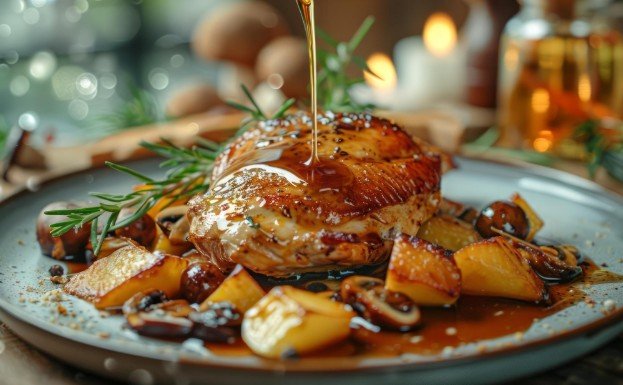
Bistro food is defined by comforting ingredients prepared with careful technique. In this dish, the chicken is browned first to create a savory crust. Shallots, mushrooms, garlic and thyme are then cooked in the same skillet, absorbing the flavorful browned bits left behind.
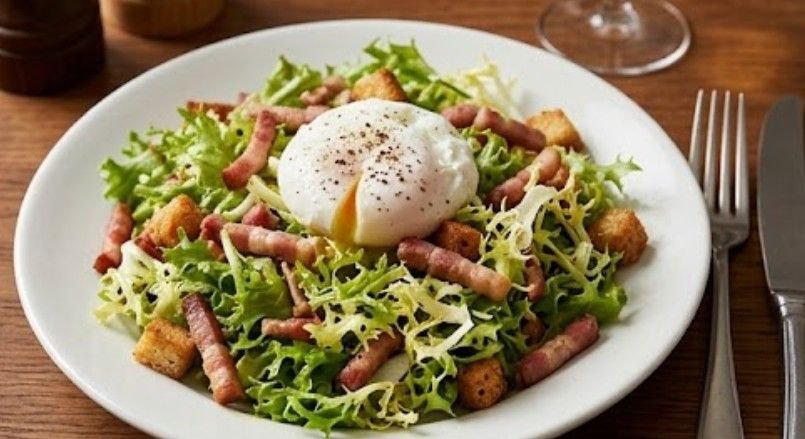
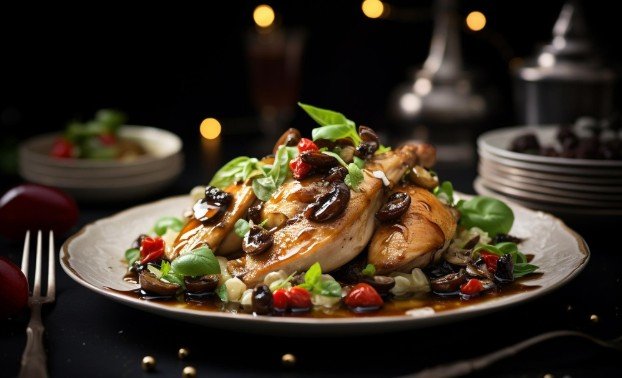
This is not necessarily one rigid traditional recipe. Bistro chicken may include tomatoes, olives, bacon, tarragon or mustard, depending on the cook and regional inspiration. This version emphasizes the creamy mushroom-and-mustard combination commonly associated with relaxed French cooking.
Ingredients for Creamy Bistro-Style Chicken
For four servings, use four small boneless, skinless chicken breasts weighing approximately 5 to 6 ounces each. You will also need salt, black pepper, two tablespoons of all-purpose flour, one tablespoon of olive oil and two tablespoons of unsalted butter.
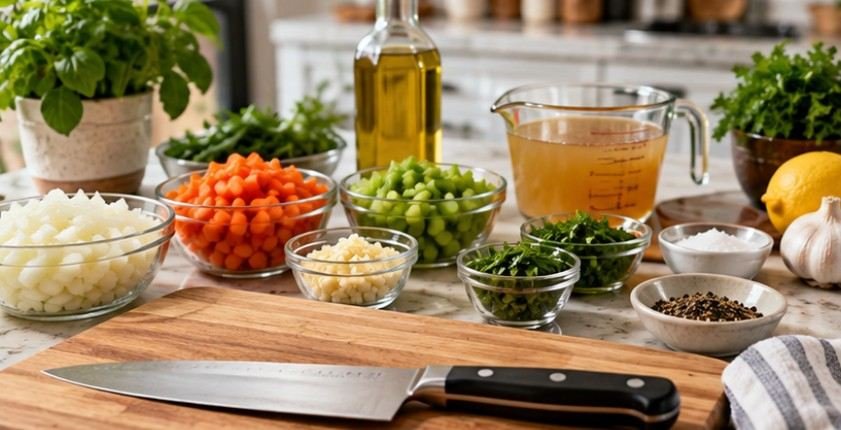
For the sauce, prepare one finely chopped shallot, eight ounces of sliced cremini mushrooms, two minced garlic cloves, half a cup of dry white wine and three-quarters of a cup of low-sodium chicken broth. Add two tablespoons of Dijon mustard, half a cup of heavy cream, one teaspoon of fresh thyme leaves and chopped parsley for finishing.
Cremini mushrooms provide an earthy flavor, but white button mushrooms work just as well. If your chicken breasts are especially thick, slice them horizontally into cutlets so they cook evenly without becoming dry.
How to Make Bistro Chicken in One Skillet
Prepare and Brown the Chicken
Pat the chicken dry, then season both sides with salt and black pepper. Dust it lightly with flour and shake away any excess. The thin flour coating encourages browning and helps the sauce cling to the meat.
Heat the olive oil with one tablespoon of butter in a large skillet over medium-high heat. Once the butter begins to foam, add the chicken without crowding the pan. Cook for approximately four minutes on each side, or until deeply golden. Transfer the chicken to a clean plate. It does not need to be completely cooked at this stage.
Build the Mushroom Sauce
Lower the heat to medium and add the remaining butter. Place the mushrooms in an even layer and leave them undisturbed for two minutes before stirring. This allows them to brown instead of releasing all their moisture immediately.
Add the shallot and cook until softened. Stir in the garlic and thyme for about 30 seconds, just until fragrant. Pour in the wine and scrape the skillet with a wooden spoon to release the caramelized bits. Simmer until the liquid has reduced by roughly half.
Pour in the chicken broth and whisk in the Dijon mustard. Return the chicken and any collected juices to the skillet. Simmer gently for five to seven minutes, turning the pieces once, until their thickest parts reach 165°F.
Finish the Sauce
Reduce the heat before adding the cream. Stir gently and simmer for another two minutes, allowing the sauce to thicken without boiling aggressively. Taste before adding more salt because mustard and broth can already contribute considerable seasoning.
The finished sauce should coat the back of a spoon while remaining fluid enough to pour. If it becomes too thick, loosen it with a splash of broth. Scatter parsley over the skillet immediately before serving.
Expert Tips for Better Flavor and Texture
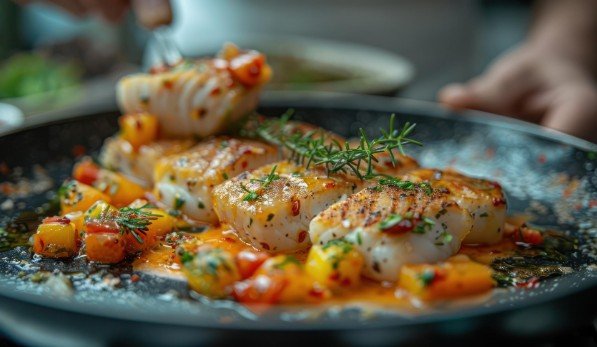
Dry chicken browns more successfully than damp chicken, so do not skip patting it with paper towels. Give every piece enough room in the skillet; overcrowding traps steam and prevents a proper golden crust.
Wait until the chicken releases naturally before turning it. If it sticks firmly, the surface probably needs another minute to brown. Removing it while preparing the sauce also prevents overcooking.
Use wine that tastes pleasant enough to drink because its flavor becomes concentrated during reduction. Sauvignon Blanc, Pinot Grigio or an unoaked Chardonnay works well. For an alcohol-free version, replace the wine with additional broth and add one or two teaspoons of fresh lemon juice at the end.
Keep the heat gentle after adding the cream. High temperatures can make a dairy-based sauce separate. If it looks too thin, remove the cooked chicken and simmer the sauce briefly rather than continuing to cook the meat.
Serving Suggestions
Mashed potatoes are an excellent accompaniment because they absorb the creamy sauce. Buttered egg noodles, steamed rice and crusty bread are equally satisfying choices. For freshness, serve the chicken with green beans, roasted asparagus or a simple leafy salad dressed with lemon vinaigrette.
To create a complete bistro-inspired meal, keep the sides restrained. The sauce is already rich, so one starch and one green vegetable provide balance without competing with its mustard and mushroom flavors.
Storage, Reheating and Preparation
Refrigerate leftovers in a sealed container for up to three days. Reheat them slowly in a covered skillet over low heat, adding a small amount of broth if the sauce has thickened. Rapid reheating may dry out the chicken or separate the cream.
The mushrooms and shallots may be sliced a day ahead. The complete sauce can also be prepared several hours in advance, but add the cream and finish cooking the chicken shortly before serving. Freezing is not recommended because cream sauces can become grainy after thawing.
Frequently Asked Questions
1. Can I use chicken thighs?
Yes. Boneless thighs are especially forgiving and remain juicy during simmering. They may require a few additional minutes, depending on their size. Always confirm doneness with a thermometer.
2. Can I prepare this without mushrooms?
Yes. Leave them out or replace them with sliced leeks, spinach or artichoke hearts. The sauce will be less earthy but will retain its creamy mustard character.
3. What mustard works best?
Classic Dijon produces the smoothest sauce. Whole-grain mustard adds texture and sharper bursts of flavor. Combining one tablespoon of each creates a balanced result.
4. Is this bistro chicken recipe gluten-free?
It can be. Replace the flour with a gluten-free all-purpose blend or omit it completely. If omitted, allow the sauce to reduce slightly longer and verify that the broth and mustard are certified gluten-free.
Final Thoughts
I love how this meal transforms familiar ingredients into something that feels genuinely special. Browning the chicken, reducing the wine and finishing the sauce over gentle heat make a noticeable difference, yet none of those steps requires advanced experience.
Served with potatoes, noodles or bread, it delivers everything I want from relaxed bistro cooking: a golden exterior, juicy meat and a sauce worth savoring to the final spoonful.