
When I first began stocking my kitchen, I assumed that having more food meant having more possibilities. Instead, I ended up with crowded shelves, forgotten spices, and ingredients purchased for recipes I never made again. What transformed my cooking was building a smaller collection of common cooking ingredients that could work across breakfasts, lunches, dinners, snacks, and baking projects.
A practical kitchen does not need every fashionable sauce or specialty flour. It needs versatile staples that build flavor, provide texture, balance richness, and turn fresh food into satisfying meals. This guide explains what deserves a place in your pantry, refrigerator, and freezer, along with simple ways to use and store each ingredient.
Start With Seasonings That Build Flavor
Salt is arguably the most important seasoning in everyday cooking. It does more than make food taste salty; it enhances sweetness, softens bitterness, and brings separate flavors together. Kosher salt is convenient for seasoning savory dishes, while fine salt is useful when precise distribution matters.
Black pepper provides mild heat and earthy depth. Whole peppercorns retain their flavor longer than pre-ground pepper, so grinding them shortly before use produces better results.
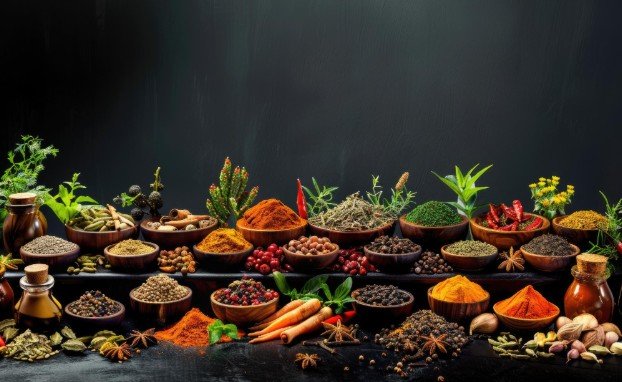
Garlic powder, onion powder, paprika, cumin, oregano, cinnamon, and red pepper flakes form a useful starter spice collection. Buy spices according to the dishes you regularly prepare rather than purchasing a large matching set. Small quantities stay fresher and prevent rarely used jars from occupying valuable space.
Keep Reliable Oils, Fats, and Acids
Olive oil works in sautéed vegetables, marinades, sauces, and salad dressings. A neutral oil, such as vegetable, sunflower, or canola oil, is better when you need higher heat or do not want the oil to influence the finished flavor.
Butter contributes richness and helps with browning, baking, pan sauces, and finishing vegetables. Keeping a portion in the refrigerator and freezing the extra can extend its usefulness.
Acid is just as important as fat. White vinegar is useful for pickling and general cooking, while apple cider, red wine, rice, or balsamic vinegar can brighten sauces and dressings. Lemon juice provides fresh acidity that can rescue a dish that tastes heavy or flat. In many cases, a small splash of vinegar or citrus is more effective than adding extra salt.
Choose Grains and Starches With Multiple Uses
Rice is inexpensive, filling, and adaptable. It can become a side dish, fried rice, grain bowl, casserole, or base for beans and vegetables. Pasta offers similar flexibility and can be paired with tomato sauce, butter, cheese, roasted vegetables, canned fish, or leftover protein.
Rolled oats work beyond breakfast. They can be incorporated into baked goods, fruit crisps, homemade granola, and some savory dishes. Flour is useful for breads, pancakes, cookies, gravies, and coating food before cooking.
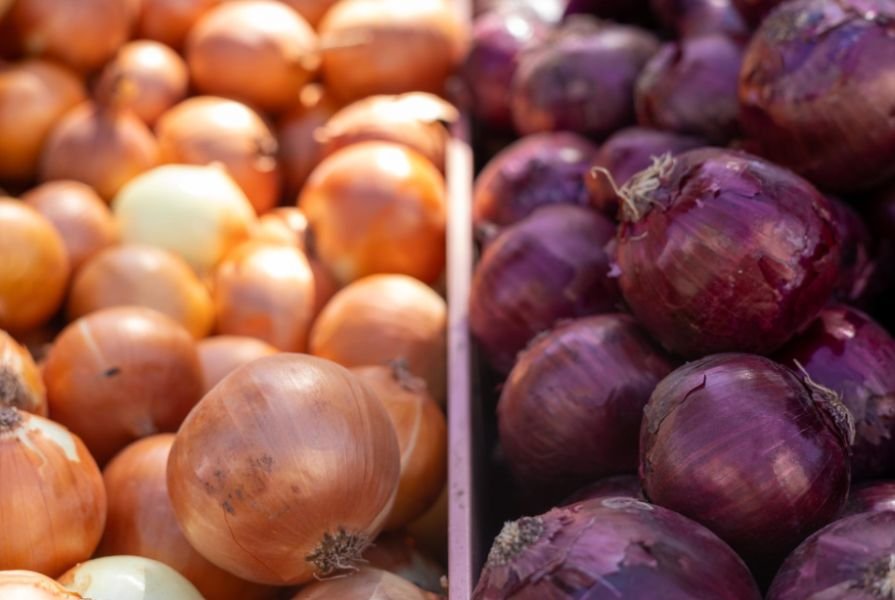
Potatoes deserve a place in this category because they can be boiled, mashed, roasted, fried, or added to soups. Store them in a cool, dark, ventilated place, away from onions, and discard potatoes that are extensively green, soft, or spoiled.
Stock Canned Foods That Become Quick Meals
Canned tomatoes are among the most versatile pantry products. They create a base for pasta sauce, soup, chili, curry, stew, shakshuka, and braised dishes. Whole peeled tomatoes offer flexibility because they can be crushed, blended, or cooked intact.
Beans such as chickpeas, black beans, cannellini beans, and kidney beans provide convenient protein and fiber. Rinsing them can remove some of the packing liquid and excess sodium. Combine beans with rice, vegetables, herbs, and dressing for a fast meal.
Broth or stock adds more character than water to soups, sauces, grains, and braises. Canned tuna, salmon, or other shelf-stable proteins can also turn pasta, salad, toast, or rice into a substantial lunch.
Add Essential Baking and Thickening Supplies
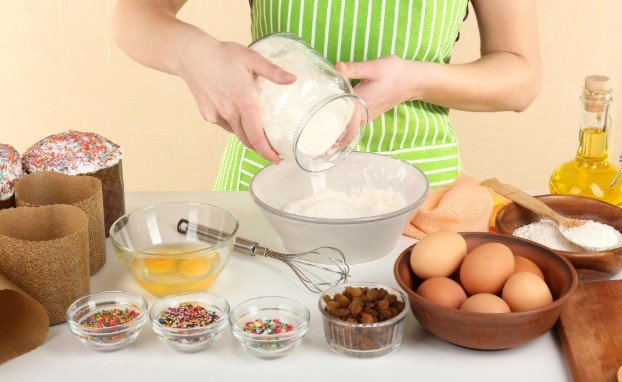
All-purpose flour, granulated sugar, brown sugar, baking soda, baking powder, cornstarch, and vanilla extract cover many basic baking needs. Baking soda and baking powder are not automatically interchangeable because they react differently within a recipe.
Cornstarch is particularly versatile. It thickens sauces, gravies, fruit fillings, and puddings while helping certain fried foods develop a crisp coating. Store flour, sugar, and starches in sealed containers away from moisture and pests. Labeling containers with purchase or opening dates makes older products easier to use first.
Build a Practical Refrigerator Collection
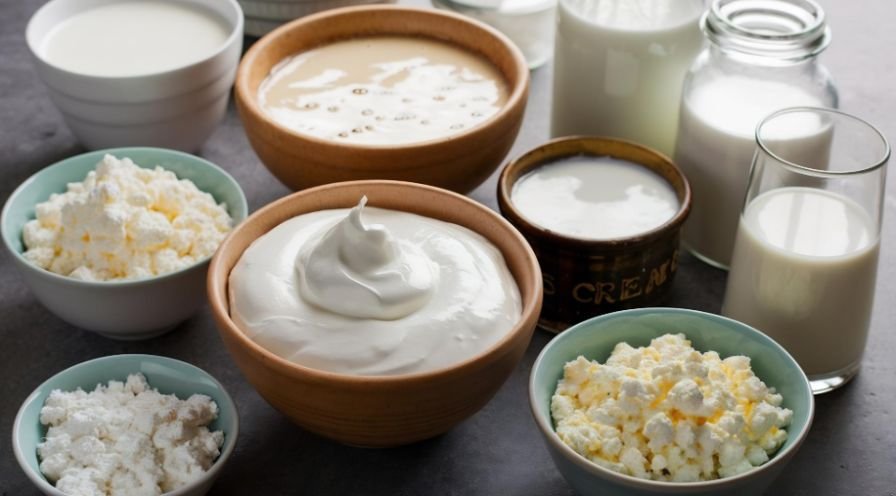
Eggs can become omelets, fried rice, baked goods, sandwiches, salads, and quick dinners. Milk supports sauces, soups, breakfast dishes, and baking, while plain yogurt works in dressings, marinades, dips, and desserts.
A flavorful hard cheese, such as Parmesan or aged cheddar, can enhance pasta, eggs, vegetables, soups, and casseroles. Softer cheeses are useful but generally have shorter storage lives, so they should reflect what you genuinely enjoy eating.
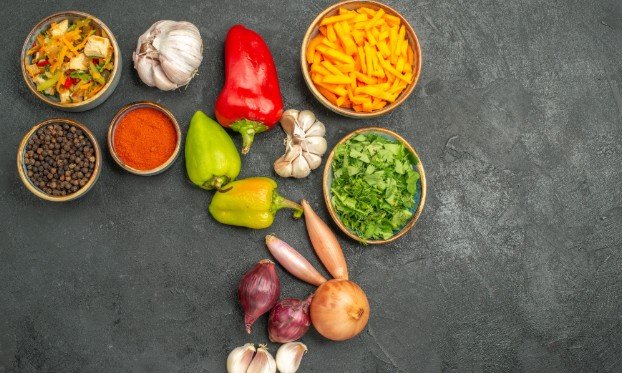
Fresh carrots and celery last relatively well and form a classic flavor foundation with onions. Garlic brings savory depth to nearly every style of cooking. Keep whole garlic bulbs dry and ventilated rather than sealing them in a damp container.
Use Your Freezer as a Working Pantry
Frozen vegetables are valuable because they are cleaned, prepared, and ready to cook. Peas, corn, spinach, broccoli, and mixed vegetables can quickly improve soups, pasta, rice, casseroles, and stir-fries.
Frozen fruit works in smoothies, oatmeal, sauces, and baked desserts. Bread, tortillas, butter, broth, cooked grains, and portioned meat can also be frozen to reduce waste. Freeze food in practical portions and label each package clearly so it does not become an unidentified block at the back of the freezer.
Create Meals From Ingredients You Already Have
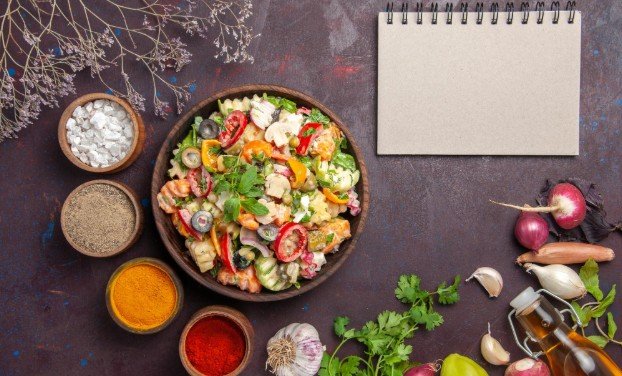
A useful pantry is designed around combinations. Rice, beans, canned tomatoes, cumin, and cheese can become a satisfying bowl. Pasta, olive oil, garlic, red pepper flakes, and Parmesan can produce a simple dinner. Eggs, potatoes, onions, and frozen vegetables can become a hearty skillet meal.
Know the Simplest Ingredient Substitutions
When butter is unavailable, a neutral oil may work in sautéing and some baked recipes. Lemon juice can often replace mild vinegar, while vinegar can provide acidity when fresh citrus is missing. Cornstarch can thicken a sauce when flour is unavailable, although the amount and mixing method must be adjusted.
Fresh herbs and dried herbs can sometimes replace one another, but dried herbs are more concentrated. As a general starting point, use roughly one-third as much dried herb as fresh and adjust according to taste.
Frequently Asked Questions
1. What are the most important common cooking ingredients for beginners?
Start with salt, pepper, olive oil, a neutral oil, vinegar, garlic, onions, rice, pasta, canned tomatoes, beans, eggs, flour, butter, and frozen vegetables. These staples support an unusually wide range of meals.
2. How should I stock a kitchen on a limited budget?
Purchase ingredients gradually. Begin with products required for meals you already enjoy, then add one or two versatile staples during each shopping trip.
3. How can I keep pantry food fresh longer?
Use sealed containers where appropriate, keep shelves cool and dry, label opening dates, and rotate older ingredients to the front. Avoid buying oversized packages unless you use the product frequently.
4. Which ingredients make simple food taste better?
Salt, butter, olive oil, garlic, onions, vinegar, citrus, fresh herbs, Parmesan, soy sauce, and chili flakes can add depth, balance, or contrast without requiring a complicated recipe.
Final Thoughts
I have found that the best kitchen is not the one with the fullest shelves. It is the one where every ingredient has a purpose and can contribute to several different meals.
By choosing versatile staples, storing them properly, and learning a few flexible combinations, I can cook confidently without constantly shopping for something new. Start small, follow your actual eating habits, and let your pantry expand naturally as your cooking develops.