I used to assume shallots were merely small, expensive onions. After cooking with both, however, I discovered that choosing the right one can noticeably change a dish. In the shallots vs onions comparison, shallots provide a delicate sweetness with a subtle garlic-like quality, while onions deliver a stronger flavour, firmer texture and greater versatility.
Both ingredients belong to the allium family and can sometimes replace each other. Nevertheless, differences in their structure, strength and cooking time mean that a careless substitution may alter the final result. Here is how to choose confidently between them.
What Is a Shallot?
A shallot is a small allium bulb covered by thin, papery skin. Its exterior may be golden brown, copper, grey or reddish-purple. Once peeled, it frequently separates into two or more sections attached at the root, resembling garlic cloves.
Shallots grow in clusters rather than forming a single large bulb. Their inner layers are fine and delicate, allowing chopped shallots to soften quickly in a hot pan. Their flavour combines mild onion sweetness with a restrained hint of garlic.
This balanced character makes shallots particularly effective in dishes where the allium remains noticeable. They can enhance a vinaigrette, pan sauce or delicate soup without overpowering the other ingredients.
What Is an Onion?
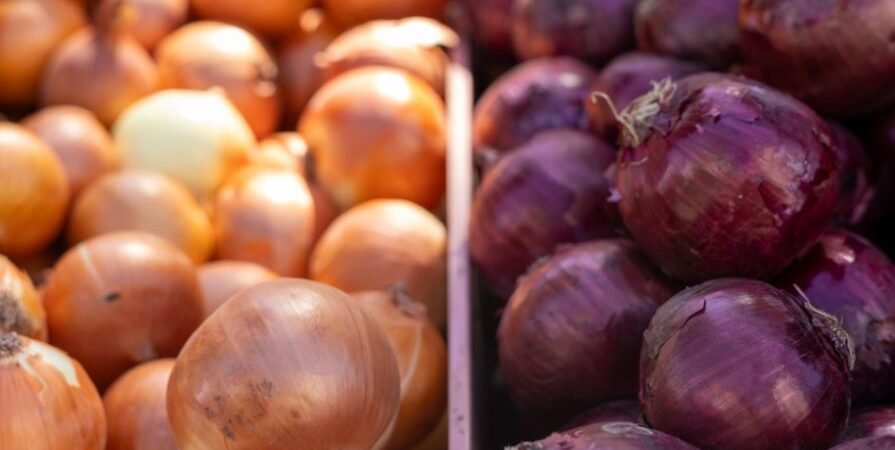
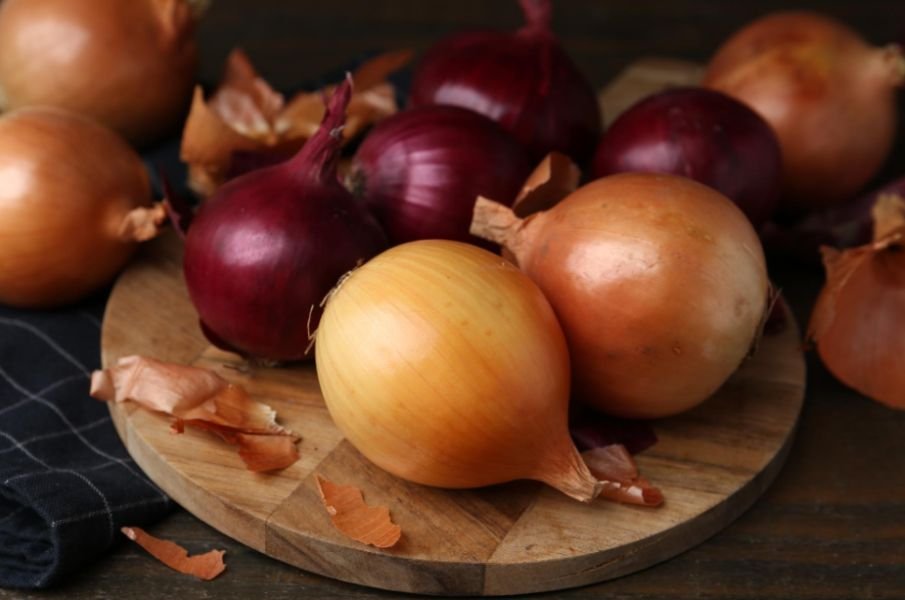
An onion usually develops as one round bulb containing broad, ring-shaped layers. Common varieties include yellow, white, red, sweet and pearl onions. Each has a distinct personality, although onions generally taste stronger and more pungent than shallots.
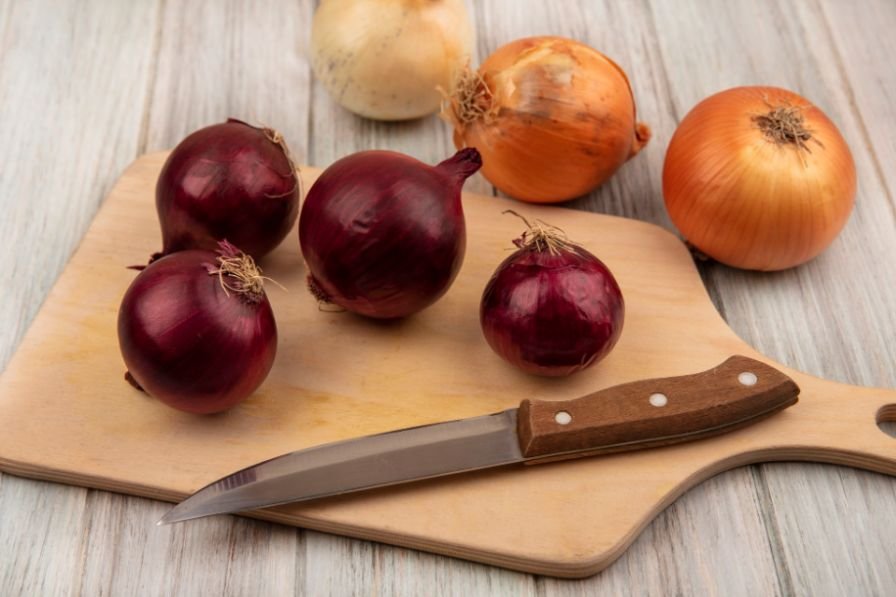
Yellow onions are dependable all-purpose options. They develop a rich sweetness when sautéed or caramelised and work well in soups, stews and roasted dishes. White onions have a clean, sharp flavour suited to fresh relishes and salsas. Red onions provide colour, crispness and a noticeable bite in salads and sandwiches.
Because onions are larger, widely available and economical, they are usually the practical choice when a recipe requires a substantial amount of allium.
The Main Differences Between Shallots and Onions
Appearance and Growth
Onions are generally large and round, with one bulb growing individually. Shallots tend to be smaller and more elongated. They grow in clusters and may separate into multiple sections after peeling.
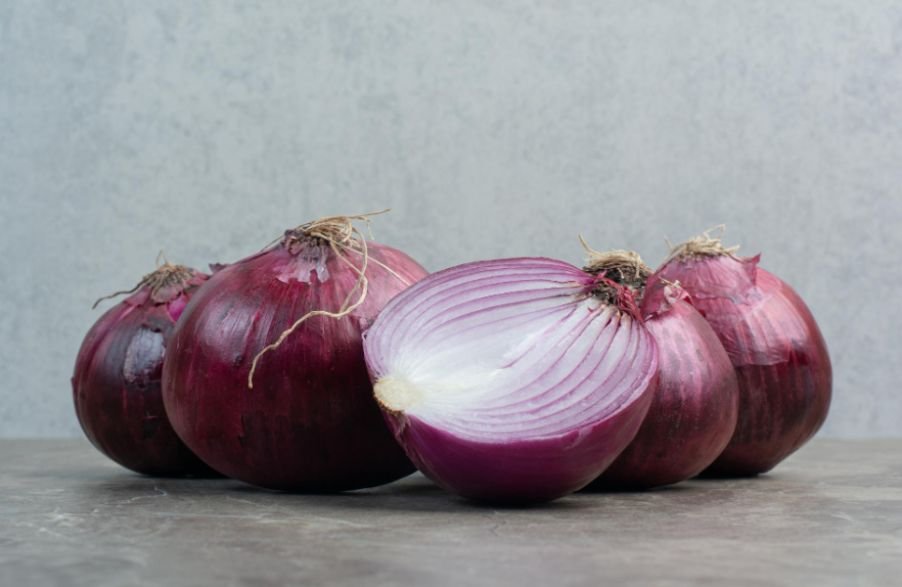
Their interiors also differ. An onion has thick, clearly defined rings, while a shallot contains thinner, tightly packed layers. The structural difference affects both preparation and cooking.
Flavour and Aroma
Raw onions can be sharp, hot and sulfurous. Their strength varies by type, with sweet onions generally tasting gentler than standard yellow or white varieties. Cooking reduces their harshness and gradually develops a sweeter, deeper flavour.
Shallots are more restrained. They taste mildly sweet, savoury and slightly garlicky. Although a raw shallot still has some bite, finely minced pieces usually blend into dressings and sauces more comfortably than raw onion.
Texture and Cooking Time
The thin layers of a shallot soften rapidly and can almost melt into a sauce. This is useful when a cook wants flavour without large, visible pieces. The same delicate structure also allows thinly sliced shallots to become crisp when fried.
Onions have thicker, sturdier layers. They maintain their shape longer and contribute more texture to curries, casseroles, soups and slow-cooked dishes. Shallots can burn sooner, so they require closer attention when sautéing.
Price and Availability
Onions are normally easier to find and cost less. Their size also means fewer bulbs are required for large recipes. Shallots may cost considerably more and involve additional peeling, especially when preparing food for several people.
The extra expense is most worthwhile when their refined flavour contributes directly to the finished dish. Using many shallots in a long-cooked stew may offer little benefit because their subtle qualities can disappear among stronger ingredients.
When Should You Use Shallots?
Choose shallots when the recipe needs gentle allium flavour or a fine texture. They are especially useful in vinaigrettes, compound butter, pan sauces and creamy sauces. Finely minced raw shallot can provide savoury depth without the aggressive heat associated with raw onion.
Whole peeled shallots can also be roasted beside meat or vegetables. They become tender and sweet while retaining an attractive shape. Thin slices may be pickled for acidity or fried until crisp for a garnish.
Learning how to roast vegetables can also help you get better results when roasting shallots alongside other vegetables.
Shallots are also convenient when cooking a small portion. Using one or two bulbs avoids leaving half an onion in the refrigerator.
When Are Onions the Better Choice?
Use onions when strength, volume or structure matters. They create a dependable flavour foundation for stews, curries, soups, sauces and braised dishes. Yellow onions are particularly effective for long cooking because their flavour becomes sweeter and more rounded over time.
These versatile uses also make onions a practical foundation for healthy dinner recipes when paired with vegetables, lean proteins, or balanced sides.
Onions are also preferable for caramelising in large quantities. Their broad layers and lower cost make them suitable for onion soup, savoury tarts, burgers and relishes. Red or white onion can be chosen when a fresh dish benefits from pronounced bite and crunch.
Can You Substitute Shallots for Onions?
The ingredients are interchangeable in many cooked recipes, but bulb count is unreliable because sizes vary. The safest approach is to compare chopped volume. Start with an equal volume, then adjust according to the desired strength.
When replacing onion with shallot, expect a gentler flavour and faster cooking. Several small shallots may be needed to equal one onion. A commonly used estimate is three small shallots for one small onion, but measuring after chopping is more dependable.
When replacing shallot with onion, choose a mild yellow, red or sweet onion. Use slightly less in raw dishes, mince it finely and allow it to sit briefly in cold water if you want to soften its harsh edge. A tiny amount of garlic may recreate the shallot’s subtle garlicky note, but adding too much will overwhelm the recipe.
Substitutions work best in cooked sauces, soups and sautés. In a raw vinaigrette or a dish built around whole roasted shallots, changing the ingredient will be more noticeable.
Nutrition and Health Comparison
Both vegetables are low in fat and provide fibre, vitamin C and beneficial plant compounds. Shallots contain more calories and carbohydrates per equal weight, but they also tend to supply greater amounts of several nutrients, including vitamin B6, manganese, copper and folate.
Onions contain fewer calories per equal serving. Their affordability and versatility may also make them easier to consume regularly. Neither ingredient is automatically the healthier choice because normal serving sizes, preparation methods and the complete meal matter more than small nutritional differences.
Frying either ingredient in large quantities of oil or serving it with a rich sauce changes the nutritional profile considerably. Roasting, sautéing lightly or using the ingredients raw can preserve their usefulness in a balanced meal.
How to Select and Store Them
Choose onions and shallots that feel firm and heavy for their size. Avoid bulbs with damp patches, mould, sprouts or soft areas. Their papery skins should be reasonably dry and intact.
Store uncut bulbs in a cool, dry, dark and well-ventilated place. Do not seal them in an airtight plastic bag, as trapped moisture encourages spoilage. Once cut, place the remaining portion in a covered container in the refrigerator and use it promptly.
Frequently Asked Questions
1. What is the simplest difference between shallots and onions?
Shallots are smaller, milder and slightly garlicky, with thin layers that soften quickly. Onions are larger, stronger and firmer, making them better for substantial or long-cooked dishes.
2. In shallots vs onions, which is better for raw recipes?
Shallots are generally better for dressings and delicate salads because their flavour is less forceful. Red, white or sweet onions remain useful when the recipe needs crunch and a sharper bite.
3. How many shallots replace one onion?
Approximately three small shallots can replace one small onion. Because bulb sizes differ, matching the amount after chopping gives a more consistent result.
4. Are shallots just small onions?
No. They are closely related alliums, but shallots grow in clusters and have a finer texture and a sweeter, more delicate flavour with a faint garlic note.
Final Thoughts
I choose shallots when I want subtlety, quick softening or a refined raw flavour. I reach for onions when I need boldness, texture, quantity or a dependable base for longer cooking. Neither ingredient wins every comparison; the better option depends on what the dish needs.
For substitutions, I find that chopped volume works more reliably than counting bulbs. Matching the quantity and then adjusting for flavour produces a far better result than following one rigid ratio.