A dinner can look “healthy” and still miss the basics. The useful test is not whether it is low-carb, high-protein, or labeled clean; it is whether the meal delivers vegetables, satisfying protein, quality carbohydrates, and sensible amounts of sodium and saturated fat. That makes healthy dinner recipes easier to build because you do not need specialty foods or complicated rules.
The current Dietary Guidelines for Americans, 2025–2030 emphasize prioritizing whole, nutritious foods. Dietary Guidelines for Americans Harvard’s Healthy Eating Plate offers another practical visual: roughly half the meal from vegetables and fruits, one-quarter from whole grains, and one-quarter from healthy protein. Harvard Healthy Eating Plate
Those proportions are a starting point rather than a prescription because individual calorie and nutrient needs vary.
The 4-Part Test for a Better Dinner
Before choosing a recipe, ask four questions.
First, where are the vegetables? Aim for a generous serving, ideally with more than one color. Frozen broccoli, spinach, peppers, green beans, and mixed vegetables work just as well as fresh produce for many weeknight meals.
Second, what is the protein? Chicken, fish, eggs, beans, lentils, tofu, and yogurt can all work. The American Heart Association recommends eating two servings of fish per week, particularly fatty fish such as salmon.
Third, what is the carbohydrate source? Whole grains, beans, corn tortillas, potatoes, quinoa, brown rice, or whole-wheat pasta can make dinner more satisfying. Healthy eating does not require eliminating carbohydrates.
Fourth, what is doing the flavor work? Bottled sauces, seasoning packets, cheese, and cured meats can raise sodium quickly. The FDA lists the Daily Value for sodium as less than 2,300 milligrams, so checking labels on sauces and convenience ingredients can matter.
9 Healthy Dinner Recipes Worth Repeating
| Dinner idea | Main protein | Best add-on | Approx. time |
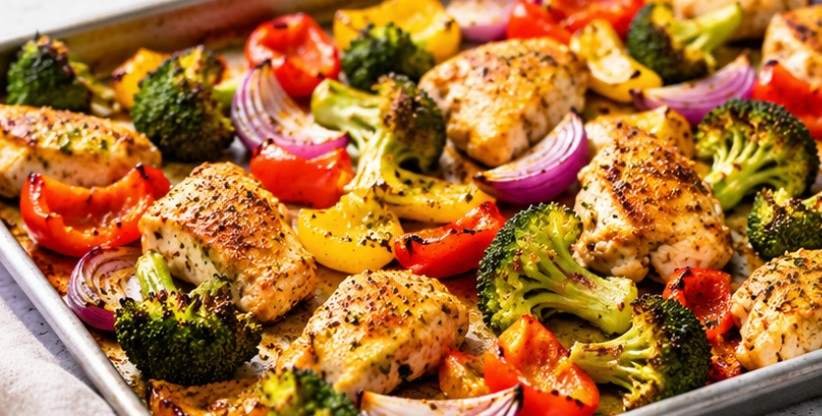
| Sheet-pan chicken and vegetables | Chicken | Brown rice | 30 min |
| Chicken lettuce wraps | Ground chicken | Edamame | 25 min |
| Lemon chicken and asparagus | Chicken | Quinoa | 25 min |
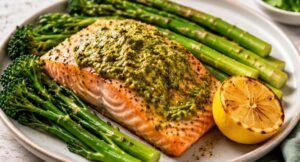
| Pesto salmon | Salmon | Green beans + farro | 25 min |
| Shrimp tomato pasta | Shrimp | Whole-wheat pasta | 25 min |
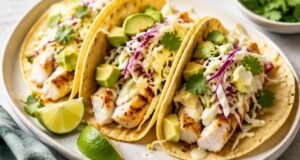
| Fish tacos | White fish | Cabbage + corn tortillas | 30 min |
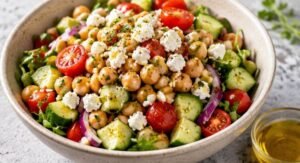
| Mediterranean chickpea bowl | Chickpeas | Whole-grain pita | 15 min |
| Lentil-stuffed eggplant | Lentils | Yogurt + herbs | 35 min |
| One-pan tomato orzo | White beans | Spinach | 30 min |
Chicken Dinners With More Flavor Than Fuss
Easy homemade recipes for sheet-pan chicken and vegetables, toss bite-size chicken with broccoli, bell peppers, red onion, olive oil, garlic, and paprika. Roast until the chicken is safely cooked and the vegetables brown at the edges. Add brown rice, quinoa, or roasted potatoes if you want a heartier plate.
Chicken lettuce wraps are another fast option. Brown ground chicken with mushrooms, carrots, ginger, and garlic, then season with reduced-sodium soy sauce. Spoon the mixture into crisp lettuce leaves and add edamame or leftover brown rice.
For an easy one-pan dinner, sauté chicken with asparagus and finish with fresh lemon and herbs. Bright acidity makes the dish taste lively without requiring a heavy cream sauce or excessive salt.
Seafood Dinners That Cook Quickly
Pesto salmon works because the fish already has richness. Spread a thin layer of pesto over salmon and bake until flaky. Serve it with roasted green beans and farro or barley. If prepared pesto tastes salty, use less and add fresh basil or lemon.
For shrimp and tomato pasta, sauté cherry tomatoes and garlic in olive oil, wilt in spinach, then toss everything with shrimp and whole-wheat pasta. Heart-of-palm noodles are another option, but traditional whole-wheat pasta can fit a balanced meal perfectly well.
Fish tacos are equally flexible. Season white fish with lime, cumin, and chipotle, pan-sear it, then serve in corn tortillas with cabbage slaw, avocado, cilantro, and salsa. The vegetables become part of the main dish rather than an afterthought.
Plant-Forward Dinners That Still Feel Complete
A Mediterranean chickpea bowl may be the easiest meatless weekend dinner here. Combine chickpeas, cucumber, tomatoes, greens, red onion, herbs, feta, olive oil, and lemon. Add whole-grain pita or quinoa for additional energy and texture.
For something warmer, roast eggplant halves and fill them with lentils cooked with cumin, coriander, tomatoes, and garlic. Plain yogurt or tahini adds creaminess without overwhelming the vegetables.
One-pan tomato orzo is comfort food with an easy nutritional upgrade. Simmer orzo with tomatoes, garlic, and lower-sodium broth, then stir in white beans and spinach near the end. Finish with lemon and herbs.
The NIH’s DASH eating plan supports this general pattern by emphasizing vegetables, fruits, whole grains, fish, poultry, beans, nuts, and vegetable oils. Its standard plan uses a sodium limit of 2,300 milligrams per day, with 1,500 milligrams as a lower-sodium option.
The Weeknight Formula: Build, Don’t Search
You do not need a completely new recipe every evening. Use this repeatable five-step formula:
- Pick a protein: chicken, salmon, shrimp, eggs, tofu, lentils, or beans.
- Choose two vegetables, preferably with different colors or textures.
- Add a quality carbohydrate if wanted: brown rice, quinoa, potatoes, whole-wheat pasta, or corn tortillas.
- Choose a flavor system such as lemon-herb, garlic-ginger, pesto, taco spices, or tomato-basil.
- Check salty ingredients. If broth, soy sauce, pesto, cheese, or salsa already contributes sodium, reduce the additional salt.
This approach works equally well for soups, tacos, grain bowls, stir-fries, sheet-pan dinners, and pasta. The objective is balance across the meal, not perfect geometry on a plate.
Where “Healthy” Advice Can Go Wrong
Frozen vegetables are useful and often easier to keep on hand than fresh produce. Canned beans are convenient, and rinsing them can remove some surface sodium. Rotisserie chicken can save valuable prep time, although sodium varies considerably by product, so checking the nutrition label is worthwhile.
Portion needs to differ too. A highly active adult, a growing teenager, and someone with a smaller appetite should not be expected to eat identical amounts.
People managing diabetes, kidney disease, food allergies, pregnancy-related nutritional needs, or other medical conditions may also require individualized recommendations from a qualified clinician or registered dietitian.
Frequently Asked Questions
1. What is the healthiest dinner to eat regularly?
A meal built around vegetables, quality protein, minimally processed carbohydrates, and mostly unsaturated fats creates a strong everyday eating pattern.
2. Are healthy dinner recipes good for weight loss?
They can be, especially when portions fit your needs, but weight change also depends on total energy intake, activity, sleep, and individual factors.
3. What can I cook when I have only 20 minutes?
Try a chickpea bowl, chicken lettuce wraps, shrimp with tomatoes and spinach, eggs with vegetables, or a quick bean-and-grain bowl made from leftovers.
4. Is it okay to eat carbohydrates at dinner?
Yes. Whole grains, beans, potatoes, and other minimally processed carbohydrate sources can fit a healthy dinner. Overall meal quality matters more than avoiding carbohydrates altogether.
A Better Dinner Starts With the Pattern
The most useful shift is to stop asking whether one ingredient makes dinner healthy. A spoonful of pesto, a tortilla, pasta, or potatoes does not determine the quality of the meal by itself. The overall pattern does.
Build dinners around vegetables, satisfying protein, minimally processed carbohydrates, and flavorful fats, then use convenience foods intelligently rather than avoiding them. Once that structure becomes familiar, healthy dinner recipes stop feeling like a special category of food. They become meals you can cook, enjoy, adapt to your household, and confidently repeat on an ordinary Tuesday—the kind of sustainable routine that matters far more than chasing the latest restrictive food rule.