Eating a bowl of warm macaroni and cheese actually triggers a measurable biological reaction in your brain. Research demonstrates that consuming nutrient-dense, warm meals stimulates the release of dopamine and serotonin—the primary neurotransmitters responsible for mood regulation and comfort. Our physical craving for comfort food recipes isn’t just about filling an empty stomach; it is an evolutionary drive for psychological grounding.
When stress levels rise, the human body naturally seeks high-energy foods that signal safety and abundance. Understanding how texture, fat, and temperature interact allows home cooks to transform simple ingredients into deeply satisfying culinary experiences.
The Neurobiology Behind Nostalgic Cooking
Why do certain dishes instantly ease a difficult day? The phenomenon relies on a mix of physiological responses and emotional conditioning.
Sensory Memory and the Olfactory System
The sense of smell is hardwired directly to the brain’s limbic system, the region responsible for emotional processing and memory retrieval. When you roast garlic or simmer tomato sauce, volatile aromatic compounds travel through the nasal cavity, activating vivid emotional memories faster than visual or auditory cues.
Hormones and Appetite Regulation
During periods of fatigue or stress, the adrenal glands release cortisol. Higher cortisol levels increase cravings for carbohydrates and fats, which provide rapid metabolic energy. A warm dish effectively lowers physiological stress signals by triggering parasympathetic nervous system activity—often referred to as the “rest and digest” state.
According to research published by the National Institutes of Health, dietary intake directly influences neurochemical pathways that mitigate stress responses.
Deconstructing Classic Comfort Food Recipes
To master home-cooked classics easy lunch recipes, you must understand the underlying culinary chemistry that gives these dishes their signature textures and flavors.
Ultra-Creamy Macaroni and Cheese
The secret to an exceptional stovetop or baked pasta lies in maintaining a stable emulsion.
- The Mechanism: A standard roux (equal parts butter and flour cooked together) coats fat droplets, preventing the cheese sauce from breaking or becoming oily.
- Pro Tip: Combine sharp cheddar for intense flavor with a smooth melting cheese like Gruyère or Monterey Jack. Always grate cheese manually; pre-shredded varieties contain anti-caking agents like potato starch that prevent a smooth melt.
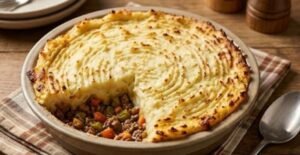
The Perfect Shepherd’s Pie
A great Shepherd’s Pie hinges on balancing a rich, savory meat base with a light, golden potato topping.
- The Mechanism: Slow-simmering ground meat with aromatics, tomato paste, and broth develops deep umami through the Maillard reaction.
- Pro Tip: For the potato cap, use high-starch russet potatoes and pass them through a ricer rather than using a hand mixer. Mixing overworks the starches, resulting in a gummy texture rather than fluffy peaks that crisp in the oven.
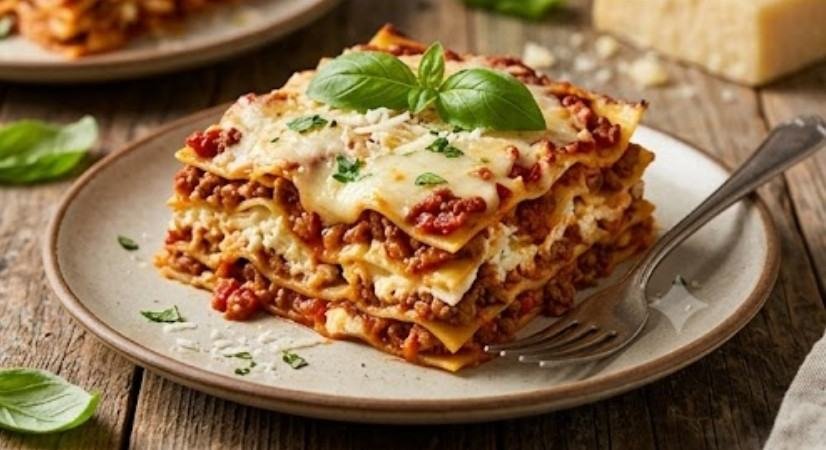
Layered Classic Lasagna
A structural masterpiece, traditional lasagna relies on precise moisture control so slices hold their shape when served.
- The Mechanism: Balancing acid from tomato sauce with fat from ricotta, mozzarella, and meat sauce keeps the dish rich without becoming greasy.
- Pro Tip: Let the lasagna rest for at least 20 minutes after baking. This allows the melted cheeses and starches to set, ensuring clean cuts.
Slow-Simmered Beef Stew
Thick, hearty stews rely on the slow breakdown of tough connective tissues into gelatin.

- The Mechanism: Cuts rich in collagen—such as chuck roast—require prolonged cooking at low temperatures (around 190°F to 200°F). As collagen melts, it coats the meat fibers, keeping them tender while naturally thickening the broth.
- Pro Tip: Sear the beef in batches over high heat before adding liquids to maximize surface browning.
Elevating Flavor Profiles: A Strategic Comparison
Small adjustments during preparation significantly impact the final texture, aroma, and richness of favorite cozy dishes.
| Dish Focus | Standard Approach | Enhanced Culinary Approach | Primary Technical Benefit |
| Pasta Bakes | Boiling noodles fully before baking | Undercooking pasta by 2 minutes | Pasta absorbs sauce without turning mushy |
| Meat Pies | Mashed potatoes topped directly | Brush top layer with egg wash & butter | Creates a golden-brown, crispy crust |
| Red Sauce Dishes | Simmering sauce quickly | Adding a parmesan rind while simmering | Infuses deep, savory glutamates naturally |
| Braised Stews | Using water or plain stock | Using gelatin-rich stock and red wine | Enhances viscosity and complex aroma |
5 Steps to Perfecting Cozy Classics
Executing exceptional comfort food recipes requires easy homemade recipes with a systematic approach to temperature, timing, and balance.
- Build a Flavor Base (Mirepoix): Start soups, stews, and sauces by gently sautéing a ratio of two parts onions to one part carrots and celery.
- Layer the Seasoning: Add salt in small increments throughout the cooking process rather than all at once at the end. This allows the salt to penetrate the ingredients deeply.
- Control the Heat: High heat toughens proteins and breaks dairy emulsions. Maintain a gentle simmer for sauces and braises.
- Balance the Fats with Acid: Rich dishes can feel heavy on the palate. A splash of apple cider vinegar, lemon juice, or wine right before serving brightens the heavy flavors.
- Incorporate Fresh Herbs at the Finish: While dry herbs work well during long simmers, adding delicate herbs like parsley, chives, or basil at the end restores fresh aromatic notes.
Researchers at Harvard T.H. Chan School of Public Health emphasize that cooking balanced meals at home allows individuals to control ingredient quality, reducing unnecessary sodium while maintaining nutritional density.
Culinary Misconceptions and Exceptions

- Misconception: Boiling meat makes it tender.
Fact: High heat causes muscle fibers to contract tightly, squeezing out moisture. Meat must be simmered gently below the boiling point to soften.
- Misconception: Rinsing cooked pasta prevents sticking.
Fact: Rinsing washes away surface starches that allow sauces to cling to the noodles. Only rinse pasta if you are preparing a cold pasta salad.
- Exception: Dairy-Free Comforts. While traditional recipes rely heavily on cream and butter, ingredients like unsweetened cashew cream, nutritional yeast, and coconut milk can recreate rich textures for plant-based diets without altering the core flavor profile.
Educational programs offered by the USDA Food and Nutrition Service highlight the importance of utilizing diverse, wholesome pantry staples to build nutritious household meals. Furthermore, guidance from the U.S. Department of Agriculture provides essential guidelines on proper meat temperatures to ensure food safety during slow-cooking processes.
Frequently Asked Questions
1. Why does my cheese sauce become grainy?
Cheese breaks and turns grainy when exposed to direct, high heat. Always remove your roux base from the burner before folding in manually shredded cheese, stirring gently until melted.
2. Can I prep comfort casseroles ahead of time?
Yes. Assemble the dish completely, cover tightly, and refrigerate for up to 24 hours. Add 10 to 15 minutes to the total baking time when cooking directly from the refrigerator.
3. How do I thicken a stew that is too watery?
Create a slurry using equal parts cornstarch and cold water. Whisk the mixture directly into the simmering stew, cooking for two minutes until clear and thickened.
Bringing Warmth to the Table
Craving rich, hearty dishes is a natural biological response to physical fatigue and emotional stress. By understanding how starches thicken, how collagen softens, and how acid cuts through heavy fats, you transform basic cooking into an exact science.
Mastering these core principles allows you to refine traditional favorites into memorable, perfectly balanced meals. Take these culinary techniques into your kitchen tonight, pick a classic recipe, and experience how thoughtful preparation elevates everyday ingredients into pure comfort.