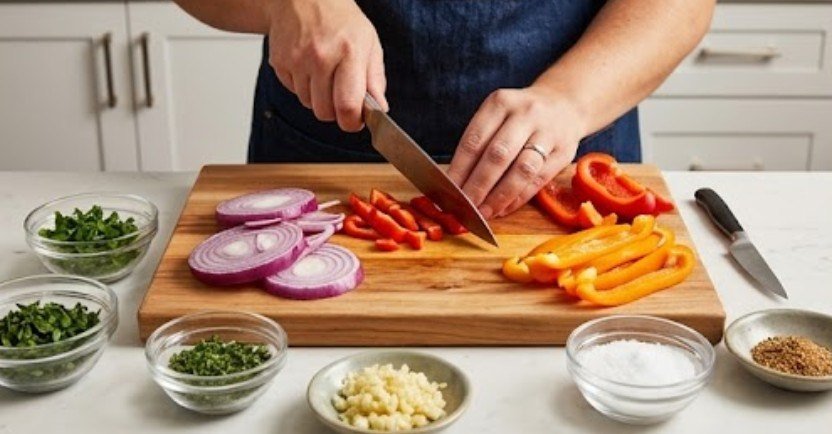
Americans spend over 50% of their food budget at dining establishments, yet home cooks can recreate those exact iconic flavors for roughly one-third of the cost. Bringing professional restaurant style recipes at home isn’t about secret equipment or rare ingredients. It comes down to understanding specific culinary techniques, salt application, high-heat searing, and fat ratios that commercial kitchens rely on every day.
Recreating your favorite dining experiences in your own kitchen yields serious financial and nutritional benefits. When you control the pan, you control the ingredients, reducing hidden sodium and extra calories while saving hundreds of dollars a month.
Why Restaurant Food Tastes Different Than Home Cooking
Commercial kitchens build depth of flavor through layered technique rather than single ingredients. Professional chefs understand how heat transfer, rapid reduction, and strategic seasoning alter food chemistry.
| Cooking Element | Professional Kitchen Method | Standard Home Cooking Method |
| Heat Application | High BTU burners, scorching pans | Medium heat, crowded pan |
| Seasoning | Layered kosher salt throughout | Table salt added at the end |
| Fat Finishing | Cold butter emulsified into sauce | Cooking oil used only at start |
| Prep Strategy | Pre-portioned visual mise en place | Cutting ingredients while cooking |
The primary driver behind that distinctive restaurant flavor is the Maillard reaction—a chemical reaction between amino acids and reducing sugars that occurs around 300°F to 500°F. Commercial burners generate significantly higher BTU output than standard residential stoves, allowing cooks to achieve deep browning on proteins and vegetables without overcooking the interior.
Salt usage also plays a pivotal role. The U.S. Department of Agriculture notes that over 70% of dietary sodium comes from commercial and packaged foods. comes from commercial and packaged foods. Chefs season generously at every stage of prep, enabling salt to penetrate muscle fibers and draw out moisture, whereas home cooks often salt only at the table.
Mastering Popular Copycat Categories
Replicating famous menu items requires breaking down recipes into distinct culinary components. From drive-thru staples to sit-down favorites, success relies on getting the signature textures and sauces right.
Fast Food Favorites
Recreating drive-thru icons like double-patty burgers or crispy chicken wraps requires precise mechanical prep. Smash-style burgers depend on a ripping-hot cast-iron surface and immediate, firm pressing to form a caramelized crust. Iconic special sauces usually start with a balanced base of mayonnaise, sweet pickle relish, yellow mustard, and smoked paprika.
Casual Dining Classics
Popular chain restaurants excel at rich, emulsified sauces and deeply marinated proteins. Creamy pasta sauces rely on reserved pasta cooking water mixed with cold butter and finely grated cheese off the heat. Pan-Asian chicken wraps get their crisp, distinct crunch by cutting vegetables uniformly and searing ground proteins in toasted sesame oil and ginger.
Sweet Treats and Specialty Drinks
Bakery items and coffeehouse refreshers depend heavily on precise ratios. Cinnamon rolls stay ultra-soft when doughs incorporate higher hydration levels and melted butter, often finished with a splash of heavy cream over the rolls before baking. Coffeehouse fruit refreshers rely on concentrated tea bases combined with freeze-dried fruit powders to mirror that bright, commercial flavor.
The 4-Step Method for Recreating Any Restaurant Dish
To reliably duplicate your favorite menu items for one pan dinner ideas, follow a structured process rather than guessing ingredients by memory.
Step 1: Deconstruct the Flavors
│
▼
Step 2: Balance the Core Tastes (Sweet, Salt, Acid, Fat, Umami)
│
▼
Step 3: Control the Heat & Moisture
│
▼
Step 4: Emulsify and Finish
- Deconstruct the Flavors: Taste the original dish carefully. Identify the lead spice, the acid source (citrus, vinegar, or fermented product), and the primary fat (butter, lard, or neutral oil).
- Balance the Five Core Tastes: Professional dishes hit multiple taste notes simultaneously. If a homemade recreation tastes flat, it usually lacks acid or umami. The National Institutes of Health offers extensive research on how human taste receptors perceive umami through glutamates found in ingredients like soy sauce, parmesan, and tomato paste.
- Control Heat and Moisture: Dry your proteins thoroughly with paper towels before cooking. Moisture creates steam, which prevents the Maillard reaction and leaves meat looking gray rather than golden-brown.
- Emulsify and Finish: Finishing pan sauces with cold butter off the heat creates a glossy sauce that clings to pasta and meats just like high-end bistro preparations.
Essential Pantry Staples for Restaurant-Quality Cooking
To consistently pull off restaurant style recipes at home, stock your kitchen with these fundamental flavor enhancers:

- High-Smoke-Point Oils: Avocado, canola, or grapeseed oil allow for searing without burning.
- Coarse Kosher Salt: Offers better distribution control than fine table salt.
- Unsalted Butter: Gives you full control over the total sodium content in sauces.
- Concentrated Umami Boosters: Keep soy sauce, fish sauce, anchovy paste, and mushroom powder on hand.
- Acids: Stock sherry vinegar, rice vinegar, lemons, and limes to instantly brighten heavy dishes.
Common Pitfalls and Misconceptions
While learning to prepare restaurant style recipes at home healthy dinner recipes offers massive savings, a few common mistakes can derail your results:

- Crowding the Pan: Adding too much food at once lowers the pan temperature dramatically, causing ingredients to steam in their own juices instead of sear.
- Using Fresh Garlic Too Early: Minced garlic burns in under 60 seconds at high heat. Add garlic during the final minute of sautéing to preserve flavor and avoid bitterness.
- Skipping the Rest Period: Cutting into steaks or chicken immediately after cooking causes juices to spill onto the cutting board. Resting meat allows muscle fibers to relax and retain moisture. The Centers for Disease Control and Prevention highlights safety guidelines regarding internal temperatures, making a digital thermometer an essential kitchen tool for safe resting.
- Expecting Perfect Visual Matching: Home stoves operate differently than commercial equipment. Minor visual differences won’t impact flavor if your technique and balance are correct.
Frequently Asked Questions
1. Why does restaurant food taste better than homemade?
Restaurants use higher heat, layered seasoning with kosher salt, and generous amounts of cold butter to finish sauces. High-temperature sear creates deeper flavors through the Maillard reaction that low-heat home cooking cannot match.
2. Are copycat recipes healthier than restaurant versions?
Yes. Cooking copycat recipes at home allows you to use fresh ingredients, reduce overall sodium, avoid artificial preservatives, and control portion sizes while keeping the same general flavor profile.
3. What essential tool improves home-cooked restaurant recipes?
A heavy cast-iron skillet or stainless steel pan is essential. These pans hold high heat evenly, allowing home cooks to achieve the deep crusts and pan sears characteristic of professional kitchens.
Mastering iconic menu items isn’t an elite skill reserved for professional chefs. By managing heat, seasoning aggressively throughout the process, and using simple emulsion techniques, anyone can bridge the gap between basic home meals and memorable dining experiences. Grab a heavy pan, build your flavor base, and transform your everyday kitchen into your favorite dining destination tonight.