
I used to believe an exceptional steak required professional equipment and years of kitchen experience. After experimenting with different cuts, pans, seasonings, and temperatures, I learned that the real difference comes from a handful of small but important decisions.
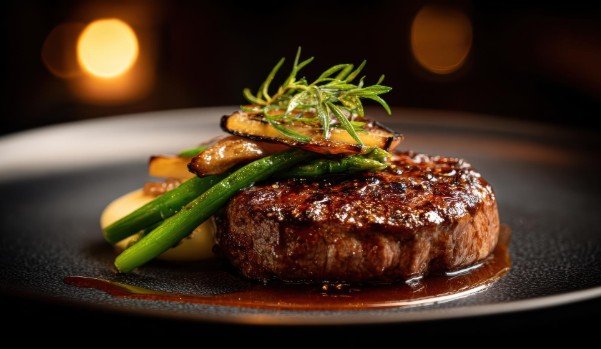
This restaurant style steak method produces a beautifully browned crust, a tender center, and the rich garlic-butter finish normally associated with an expensive steakhouse dinner.
The process is surprisingly approachable. A quality piece of beef, a heavy skillet, generous seasoning, and accurate temperature control are enough to create impressive results at home.
Why This Steakhouse Method Works
A memorable steak delivers contrast. Its exterior should be deeply browned and savory, while the inside remains juicy and evenly cooked. Achieving that contrast depends on removing surface moisture before exposing the meat to intense heat.
Patting the steak dry prevents it from steaming. A well-preheated skillet then encourages the Maillard reaction, which creates the complex flavors and appealing brown crust associated with seared meat. Adding butter, garlic, and herbs near the end builds flavor without allowing the butter to burn during the initial high-heat stage.
Resting is equally important. The temperature continues rising briefly after the meat leaves the pan, while its internal moisture becomes more evenly distributed.
Choosing the Best Cut of Steak
Ribeye is an excellent choice for anyone who values richness. Its generous marbling melts during cooking, giving the meat a buttery texture and pronounced beef flavor. New York strip offers a firmer bite and a strong, traditional steak flavor. It normally has less internal fat than ribeye but still develops an excellent crust in a skillet.
Filet mignon is exceptionally tender and relatively lean. Because it is usually thick, it may need to finish in the oven after searing. Sirloin is a more economical option with satisfying beef flavor, although careful temperature control is important because its lower fat content makes it easier to dry out.
Regardless of the cut, select a steak approximately 1 to 1½ inches thick. Look for even thickness and fine streaks of intramuscular fat rather than large, tough pieces of exterior fat.
Ingredients for Rich Steakhouse Flavor
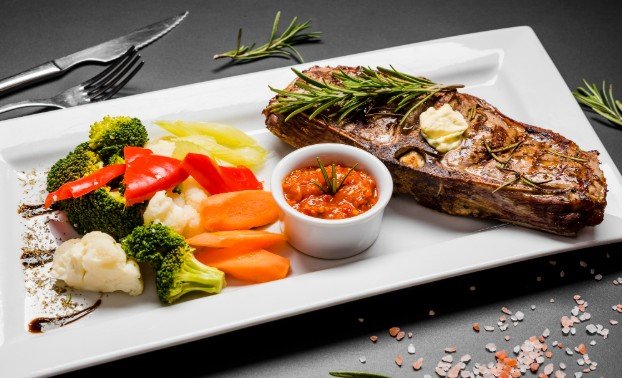
The beef remains the center of the recipe, so the supporting ingredients should enhance rather than hide it. You will need one or two thick steaks, kosher salt, freshly ground black pepper, and a small amount of neutral high-heat oil.
For the finishing baste, use unsalted butter, lightly crushed garlic cloves, and fresh thyme or rosemary. Unsalted butter provides better control over the final seasoning. Avocado, canola, grapeseed, or vegetable oil works well for searing because these oils tolerate higher temperatures than whole butter.
Equipment You Will Need
A cast-iron skillet is particularly effective because it retains heat when cold meat is introduced. A heavy stainless-steel skillet is a dependable alternative. Avoid a lightweight pan, which may rapidly lose heat and produce a pale exterior.
Use long-handled tongs to turn the steak without piercing it. An instant-read thermometer is also essential. Cooking by color, touch, or a fixed number of minutes is less reliable because every steak and stovetop behaves differently.
When to Season the Steak
There are two dependable seasoning schedules. Salt the steak immediately before it enters the skillet, or season it several hours ahead and leave it uncovered on a rack in the refrigerator.
Advance salting acts as a dry brine. The salt initially draws moisture to the surface before the seasoned liquid is gradually reabsorbed. Refrigerated air also dries the exterior, supporting faster browning.
Avoid salting the meat only 10 or 15 minutes before cooking. At that point, moisture may be sitting on the surface without having enough time to return to the meat. If this happens, dry the steak thoroughly again before searing.
How to Cook Steak Like a Professional
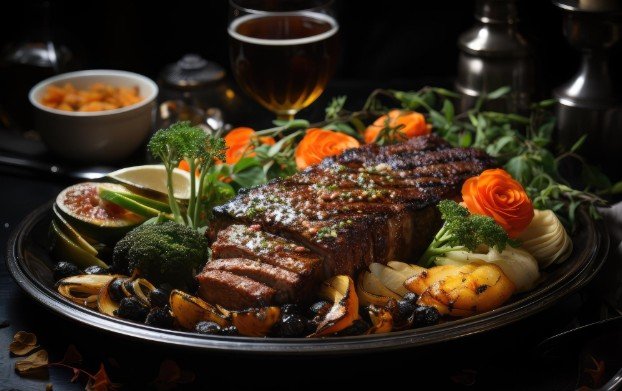
Prepare the Meat
Remove the steak from its packaging and pat every surface dry with paper towels. Season all sides evenly with kosher salt and black pepper. If the steak has a thick fat cap, make a few shallow cuts through the fat without slicing into the meat. This helps prevent curling.
Preheat the Skillet
Place the skillet over medium-high or high heat and allow it to preheat for several minutes. Add a thin coating of neutral oil when the pan is hot. The oil should shimmer, and the steak should make an immediate, energetic sizzling sound when it touches the surface.
Ventilate the kitchen before cooking. Open a window or use the range hood, since proper searing naturally generates some smoke.
Develop the Crust
Place the steak in the skillet away from your body. Leave enough space around each piece; crowding lowers the temperature and traps steam.
Sear until the underside develops a deep brown crust. Turn it with tongs and brown the second side. Briefly hold the steak against the pan to sear its edges and render the exterior fat. Frequent turning can promote even cooking, so there is no need to treat the “flip only once” rule as absolute.
Add the Garlic-Herb Butter
Reduce the heat when the crust is nearly complete. Add butter, crushed garlic, and fresh herbs. Once the butter foams, tilt the skillet slightly and repeatedly spoon the aromatic butter over the steak.
Keep the garlic moving so it does not burn. If the butter becomes dark or smells bitter, the skillet is too hot.
Check the Internal Temperature
Culinary doneness is commonly described as approximately 125°F for rare, 130–135°F for medium-rare, 140–145°F for medium, and 150°F or higher for medium-well. Remove the steak a few degrees before the intended finishing temperature because carryover heat will continue cooking it.
Official food-safety recommendations may differ from culinary doneness preferences. Anyone cooking for children, older adults, pregnant people, or individuals with weakened immune systems should pay particular attention to applicable food-safety guidance.
Rest and Slice
Transfer the steak to a warm plate or cutting board and rest it for approximately five to ten minutes. Do not tightly wrap it in foil, which can soften the crust by trapping steam.
Identify the direction of the muscle fibers and slice across them. Cutting against the grain shortens those fibers and creates a more tender bite.
Adjusting the Method for Thickness
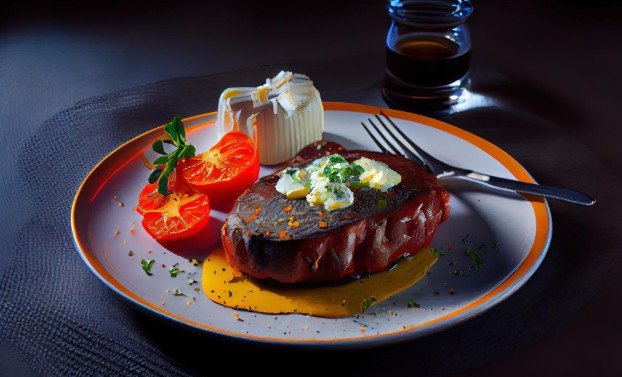
A steak thinner than one inch cooks quickly and can become overdone before a dark crust forms. Use intense heat, keep the cooking time brief, and begin checking its temperature early.
A steak around 1 to 1½ inches thick works well with direct skillet cooking and butter basting. Steaks approaching two inches usually benefit from an oven finish or reverse sear. For reverse searing, gently cook the meat in a low oven before giving it a fast final sear in a hot skillet.
Serving and Storing the Steak
Classic accompaniments include mashed potatoes, roasted vegetables, creamed spinach, grilled asparagus, mushrooms, or a crisp green salad. A peppercorn sauce, chimichurri, or simple pan sauce can make the meal feel even more polished.
Refrigerate leftovers promptly in a sealed container. Reheat them gently in a low oven until warmed through, then briefly place the steak in a hot skillet to refresh its exterior. High microwave heat can make the meat dry and rubbery.
Frequently Asked Questions
1. What makes restaurant style steak taste better?
Steakhouses generally use well-marbled beef, assertive seasoning, high cooking temperatures, accurate temperature monitoring, and rich finishing fats. Drying the surface and basting with aromatic butter recreate many of those qualities.
2. Is cast iron necessary?
No. Cast iron retains heat exceptionally well, but a heavy stainless-steel skillet can also produce a strong crust. Avoid overcrowding it and allow sufficient preheating time.
3. Should steak be cooked in oil or butter?
Use neutral, high-heat oil for the initial sear. Add butter later with garlic and herbs. This delivers butter flavor while reducing the risk of burned milk solids.
4. How long should steak rest?
Most individual steaks benefit from resting for five to ten minutes. Very thick cuts may require slightly longer, while thin steaks need less time.
Final Bite
I have found that a great steak depends more on discipline than complicated ingredients. When I dry the meat carefully, season it properly, heat the skillet thoroughly, and rely on a thermometer, the result becomes far more consistent.
Finishing with aromatic butter and slicing against the grain creates the final steakhouse touch. With practice, this straightforward technique can turn an ordinary dinner into a polished, satisfying meal.