
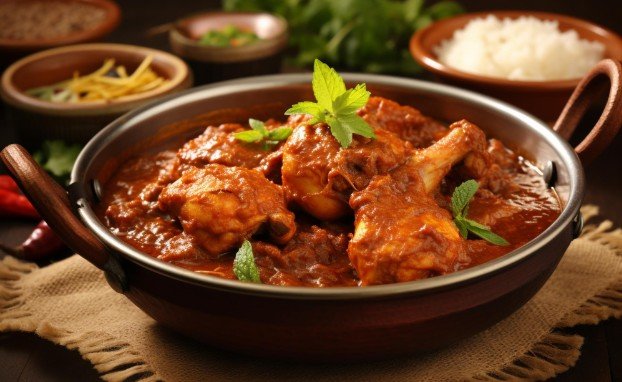
Whenever I order chicken curry at a good restaurant, I notice the same qualities: tender meat, concentrated flavor, fragrant spices, and a smooth gravy that clings to every piece. For years, I assumed this result required professional equipment or unusual ingredients. However, I eventually learned that restaurant style chicken is primarily about controlling heat, developing the masala patiently, and adding ingredients in the correct order.
This recipe recreates those qualities using accessible ingredients and straightforward techniques. The result is a deeply aromatic curry with juicy chicken, balanced heat, and a luxurious onion-tomato gravy. It is ideal for a relaxed family meal, dinner gathering, or special weekend treat.
What Makes This Chicken Taste Restaurant-Quality?
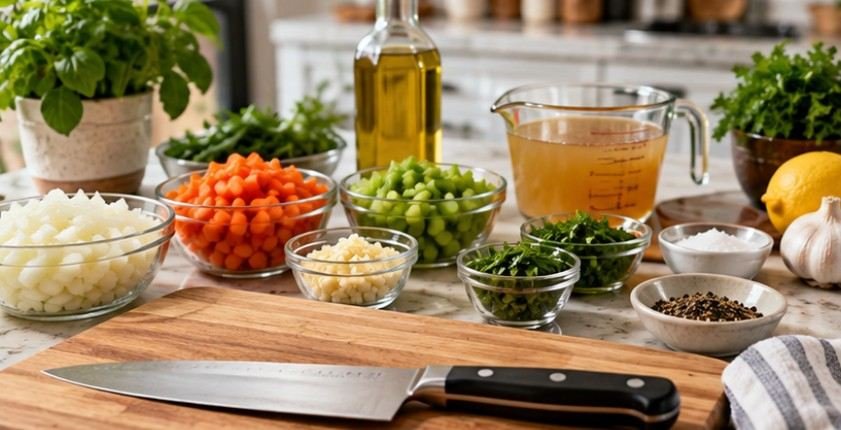
Restaurant curry usually tastes more intense than an everyday homemade version because its flavor base receives greater attention. Onions are cooked until deeply golden, ginger and garlic lose their raw sharpness, and the tomatoes are reduced until their excess moisture evaporates.
Spices also need fat and controlled heat to release their aroma. Simply adding every ingredient at once can produce a watery curry with disconnected flavors. Building the dish in stages creates a unified sauce that tastes rich without requiring excessive butter or cream.
Blending the cooked onion-tomato mixture creates the smooth texture associated with restaurant gravy. Cashews contribute natural body, while dried fenugreek leaves—valuable pantry staples for cooking—provide a recognizable finishing aroma.
Ingredients You Will Need
This recipe serves four people.
For the Chicken Marinade
- 1½ pounds boneless chicken thighs, cut into medium pieces
- ½ cup plain thick yogurt
- 1 tablespoon lemon juice
- 1 tablespoon ginger-garlic paste
- 1 teaspoon Kashmiri chili powder
- ½ teaspoon turmeric
- ¾ teaspoon salt
For the Curry Gravy
- 2 tablespoons neutral cooking oil
- 1 tablespoon butter
- 2 medium onions, sliced
- 3 medium tomatoes, chopped
- 10 cashews
- 1 green chili, optional
- 1 tablespoon ginger-garlic paste
- 1 teaspoon ground coriander
- 1 teaspoon ground cumin
- ½ teaspoon Kashmiri chili powder
- ½ teaspoon garam masala
- ½ teaspoon dried fenugreek leaves
- ½ to 1 cup hot water
- 2 tablespoons heavy cream, optional
- Salt as needed
- Chopped cilantro for garnishing
How to Make Rich Chicken Curry
Marinate the Chicken
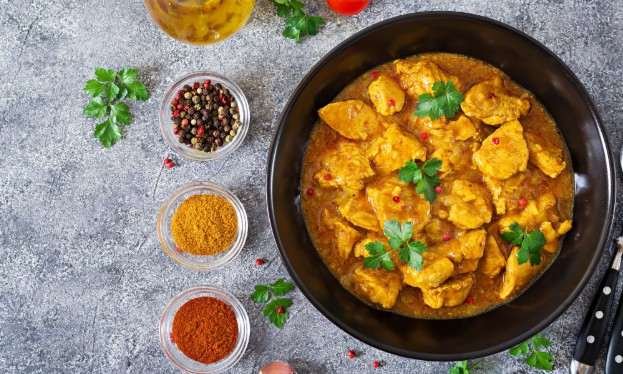
Combine the yogurt, lemon juice, ginger-garlic paste, chili powder, turmeric, and salt in a bowl. Add the chicken and coat every piece evenly. Cover and refrigerate it for at least 30 minutes. If time permits, marinate it for four hours.
Thick yogurt helps the seasoning adhere to the meat. Its mild acidity also tenderizes the chicken, but leaving it in a highly acidic marinade for too long can soften the exterior excessively.
Brown the Chicken
Remove the chicken from the refrigerator approximately 15 minutes before cooking. Heat one tablespoon of oil in a wide pan over medium-high heat.
Shake off excess marinade and arrange the pieces in one layer. Sear them for two to three minutes on each side. They do not need to cook completely at this stage. The purpose is to create color and a roasted flavor. Transfer the browned pieces to a plate.
Work in batches if the pan is small. Crowding causes released moisture to accumulate, making the chicken steam instead of brown.
Build the Gravy Base
Lower the heat to medium and add the remaining oil and butter. Add the onions with a small pinch of salt. Cook for 10 to 12 minutes, stirring regularly, until they become deeply golden.
Add the ginger-garlic paste and green chili. Cook for about one minute, or until the sharp raw aroma disappears. Stir in the coriander, cumin, and chili powder. Allow the spices to bloom briefly, but do not let them burn.
Add the tomatoes and cashews. Cook for eight to ten minutes until the tomatoes collapse, the mixture thickens, and small traces of fat appear around the edges. This reduction is one of the most important steps because undercooked tomatoes can leave the gravy sour and watery.
Blend for a Silky Texture
Let the masala cool slightly before transferring it to a blender. Add a small amount of water and blend until completely smooth.
For an especially refined finish, pass the mixture through a fine sieve. This extra step is optional, but it removes tomato skin, seeds, and pieces of spice that may interrupt the creamy texture.
Simmer Until Tender
Return the blended gravy to the pan and cook it over medium heat for three minutes. Add the browned chicken and stir until every piece is covered.
Pour in enough hot water to create the desired consistency. Cover the pan and simmer gently for 10 to 15 minutes, stirring occasionally. The exact time depends on the size and cut of the chicken.
Cook poultry until its thickest section reaches 165°F or 74°C. Avoid boiling the curry aggressively because intense heat can tighten the meat and cause the sauce to separate.
Finish the Curry
Crush the dried fenugreek leaves between your palms and add them with the garam masala. Stir in the cream if you want a softer, richer finish. Simmer uncovered for another two minutes, then taste and adjust the salt.
Allow the curry to rest, covered, for five minutes before serving. This brief pause helps the sauce settle and allows the finishing spices to perfume the entire dish.
Professional Cooking Secrets That Matter
Use chicken thighs when possible because they remain juicy during simmering and have more flavor than breast meat. Keep the pieces similar in size so they finish cooking together.
Wait for the onions to become properly golden rather than merely translucent. This creates sweetness, color, and depth. Similarly, cook the tomato mixture until it becomes thick and glossy.
Add hot water instead of cold water so the cooking temperature does not drop abruptly. Finish with garam masala and fenugreek near the end because prolonged cooking weakens their delicate aromas.
Most importantly, control the amount of liquid. Restaurant curry usually has a concentrated gravy rather than a thin broth. Add water gradually because reducing excess liquid later may overcook the chicken.
Variations and Substitutions
For a dairy-free curry, replace yogurt with thick coconut milk and omit the butter and cream. The flavor will be slightly different but still pleasantly rich.
Chicken breast can replace thighs, although it should be simmered for less time. Bone-in pieces offer deeper flavor but may require approximately 25 minutes of gentle cooking.
For a nut-free version, omit the cashews and add two tablespoons of thick yogurt after blending the sauce. Lower the heat before adding yogurt and stir continuously to prevent curdling.
Increase the green chili for a hotter curry. For milder flavor, omit it and use Kashmiri chili powder, which contributes strong color without overwhelming heat.
Serving and Storage Ideas
Serve the curry with naan, roti, paratha, steamed rice, or cumin rice. A cucumber-and-yogurt side dish provides a refreshing contrast, while sliced onions and lemon wedges add crunch and acidity.
Cool leftovers promptly and refrigerate them in a covered container. Use them within three to four days. Reheat the curry gently on the stovetop, adding a splash of water if the gravy has thickened. Avoid repeatedly reheating the full batch.
Frequently Asked Questions
1. What makes restaurant curry taste different?
Restaurants carefully brown onions, concentrate the tomato masala, bloom spices in fat, and finish the dish with aromatic ingredients. These layered steps create greater depth than combining everything at once.
2. Can I prepare the gravy in advance?
Yes. Prepare and blend the gravy, cool it, and refrigerate it for up to three days. Add cooked or freshly seared chicken when you are ready to finish the meal.
3. How do I keep the chicken tender?
Use thigh meat, marinate it, sear it briefly, and simmer it gently. Avoid prolonged cooking at a rapid boil, which can make the meat dry or rubbery.
4. Can I make restaurant style chicken without cream?
Yes. Restaurant style chicken gets most of its body from well-cooked onions, tomatoes, cashews, and controlled reduction. Cream is an optional finishing ingredient rather than a requirement.
Final Thoughts
I find this recipe most successful when I resist rushing the gravy. Properly browned onions, reduced tomatoes, gently cooked chicken, and freshly added finishing spices contribute far more than an oversized ingredient list.
Once I understood these stages, producing a rich curry became much more predictable. Pay attention to the visual and aromatic cues, adjust the consistency gradually, and let the finished dish rest briefly. Those small decisions produce tender chicken and a smooth, concentrated gravy worthy of a special dinner.