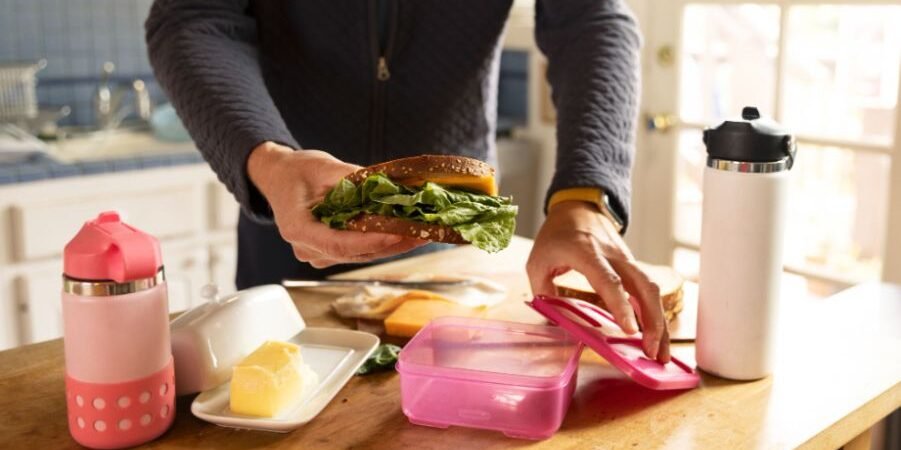
A safe kitchen is not just about avoiding cuts or keeping food from burning. I think of kitchen safety as a combination of smart cooking habits, proper food handling, organized workspaces, and knowing what to do when something goes wrong. Whether I am making breakfast, preparing dinner, or batch-cooking meals for the week, a few simple habits can prevent burns, fires, falls, cross-contamination, and foodborne illness.
These kitchen safety tips are designed for everyday home cooks in the US. They cover everything from knife and stove safety to meal prep, food storage, reheating, and kitchen hygiene so I can cook with more confidence and fewer unnecessary risks.
What Are the Most Important Kitchen Safety Rules at Home?
The most important kitchen safety rule I follow is to stay focused while cooking. Many accidents happen because someone walks away from the stove, leaves a knife in an unsafe place, or becomes distracted while handling hot cookware.
Before I start cooking, I clear unnecessary items from my work area and make sure the tools and ingredients I need are within reach. I also keep children and pets away from active cooking zones, especially near the stove, oven, or counters holding hot food.
Good, safe cooking practices usually come down to preparation. When my workspace is organized, I am less likely to rush, spill something, knock over a pan, or forget an important food safety step.
How Can I Prevent Knife Injuries While Cooking?
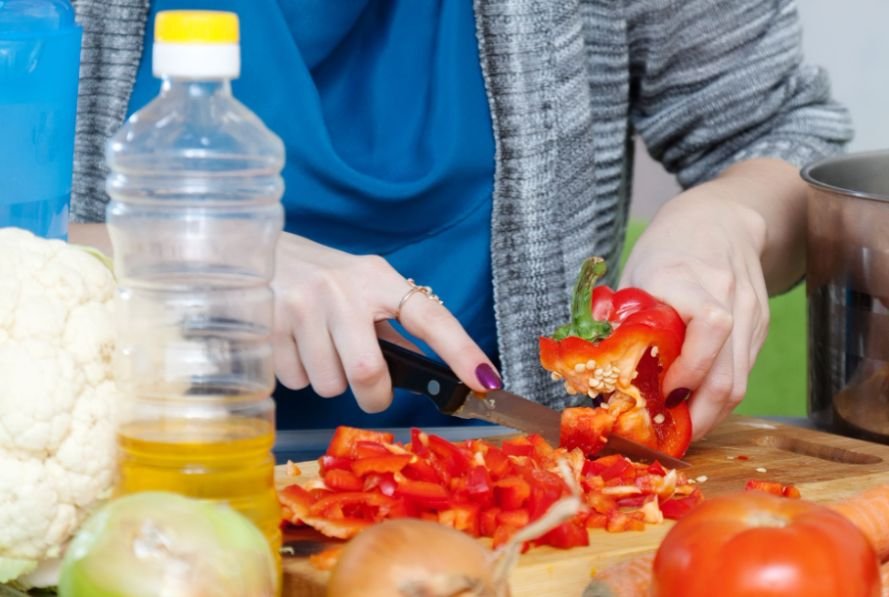
Knife safety starts with using the right knife for the job and keeping it properly maintained. I find that a sharp knife is easier to control because I do not need to force it through food.
I always use a stable cutting board and keep my fingers tucked away from the blade while chopping. I avoid cutting toward my body, and I never leave knives hidden under towels, food scraps, or inside a sink filled with soapy water.
If a knife falls, I step back and let it hit the floor rather than trying to catch it. After washing and drying knives, I store them in a knife block, sheath, magnetic strip, or protected drawer organizer.
These simple knife safety habits reduce one of the most common hazards in a home kitchen.
How Do I Prevent Burns and Scalds in the Kitchen?
Burn prevention requires attention to more than open flames. Hot pans, steam, boiling liquids, oven racks, microwave containers, and splattering oil can all cause painful injuries.
I turn pan handles inward so they cannot be bumped while someone walks past the stove. When lifting a lid from a pot, I open it away from my face because trapped steam can escape quickly.
I also use dry oven mitts when handling hot cookware. Damp towels or mitts can transfer heat rapidly and increase the risk of burns.
When using a microwave, I open containers carefully and allow steam to escape away from my hands and face. I stir food when necessary so hot and cold spots are distributed more evenly.
How Can I Reduce the Risk of a Kitchen Fire?
Kitchen fire safety is one area where I never rely on luck. When I am frying, grilling, boiling, or broiling food, I stay close to the stove. High-heat cooking can change quickly, especially when oil is involved.
I keep paper towels, dishcloths, packaging, wooden utensils, and other flammable materials away from burners. Loose sleeves can also come too close to flames or heating elements, so I roll them back when necessary.
What Should I Do If Cooking Oil Catches Fire?
If a small pan of oil catches fire, I never pour water onto it. Water can cause burning oil to splash and spread.
If it is safe to do so, I turn off the burner and cover the pan with a metal lid or baking sheet to cut off the oxygen. I leave the pan covered until it cools completely.
If the fire grows, spreads, or feels unsafe to control, I leave the home and call 911 from a safe location.
Knowing the correct response before an emergency happens is one of the most valuable cooking safety tips I can follow.
How Can I Practice Better Stove and Oven Safety?
I keep my stove and oven area free from unnecessary clutter. Grocery bags, plastic containers, food wrappers, and paper products should never sit near active burners.
One-pan dinner recipes can also simplify cooking by keeping multiple ingredients in one pan, which can make meal preparation more organized and reduce the amount of cookware around the cooking area.
When I finish cooking, I check that every burner and the oven are fully turned off. For longer cooking times, I use timers as reminders, but I still check the food regularly.
Before removing a hot pan from the oven, I decide where I will place it. Having a heat-safe surface ready helps me avoid carrying hot cookware around while looking for space.
I also avoid reaching across hot burners whenever possible. Rearranging the cooking area before starting can make stove safety much easier.
How Do I Keep My Kitchen Clean and Sanitary?
Kitchen hygiene plays a major role in preventing foodborne illness. I wash my hands with soap and water for at least 20 seconds before preparing food and after handling raw meat, poultry, seafood, or eggs.
I clean countertops, cutting boards, utensils, and sinks before and after food preparation. During large meal-prep sessions, I pay extra attention to sanitizing work surfaces because I may handle several ingredients in a short period.
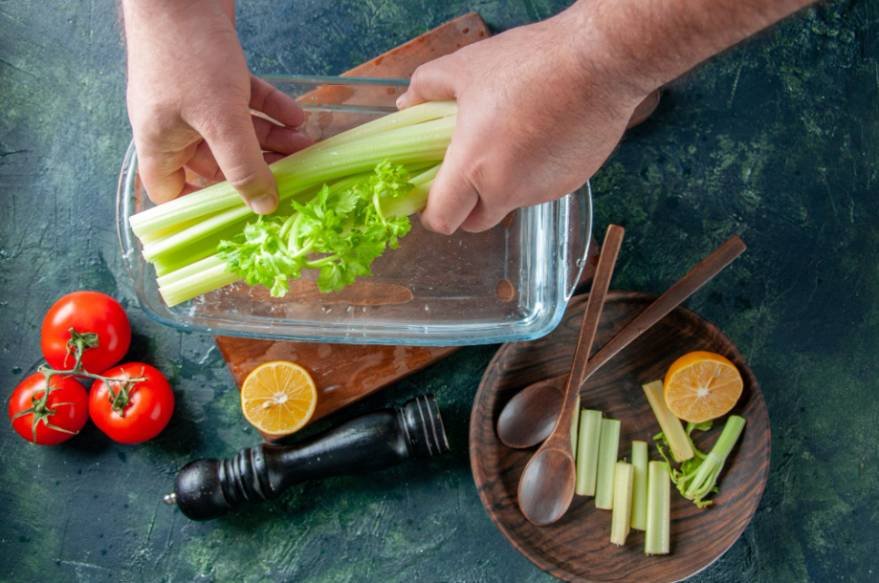
I wash fruits and vegetables before preparing them, but I do not wash raw poultry or meat. Rinsing raw meat can splash bacteria onto nearby counters, utensils, and other foods.
A clean kitchen is not simply more pleasant to cook in. It is an important part of everyday food safety.
How Can I Prevent Cross-Contamination During Meal Prep?
Cross-contamination happens when bacteria from raw foods reach foods that are already cooked or ready to eat.
I use separate cutting boards for raw meat, poultry, and seafood whenever possible. I also avoid placing cooked food onto the same plate that previously held raw ingredients unless the plate has been thoroughly washed.
Inside the refrigerator, I store raw meat and poultry in sealed containers or packaging that prevents juices from leaking onto other foods. Keeping raw animal products below ready-to-eat foods gives me another layer of protection.
These habits become especially important during meal prep because I may be handling vegetables, cooked grains, raw chicken, sauces, and finished meals at the same time.
What Internal Temperatures Make Food Safe to Eat?
I never rely only on color or texture to determine whether meat is safely cooked. A food thermometer gives me a more reliable answer.
For common foods, I aim for 165°F for poultry and leftovers, 160°F for ground meats, and 145°F for whole cuts such as beef, pork, veal, or lamb, followed by the appropriate resting time.
I insert the thermometer into the thickest part of the food and avoid touching bone or the cooking pan.
Using a thermometer is one of the easiest ways to improve kitchen safety without adding much time to cooking.
How Should I Cool and Store Meal Prep Safely?
Meal prep safety depends heavily on temperature control. Meal prep tips can help me plan, prepare, portion, and store meals more efficiently while keeping food safety in mind. Bacteria can grow rapidly when cooked food stays too long in the temperature range between approximately 40°F and 140°F.
I refrigerate perishable food within two hours of cooking. If the surrounding temperature is above 90°F, I shorten that window to one hour.
For large batches of soup, rice, casseroles, or cooked meat, I divide the food into shallow containers instead of leaving everything in one deep pot. Smaller portions cool more quickly.
I also avoid packing the refrigerator so tightly that cold air cannot circulate. Keeping the refrigerator at 40°F or below helps maintain safer storage conditions.
How Long Can I Keep Prepared Meals and Leftovers?
For most cooked leftovers and prepared meals, I plan to eat refrigerated portions within about three to four days.
If I know I will not finish the food within that time, I freeze extra portions instead of leaving them in the refrigerator all week. Labeling containers with the preparation date helps me keep track of how long they have been stored.
When reheating leftovers, I heat them thoroughly to 165°F. I stir soups, sauces, casseroles, and microwave meals when necessary so cold spots do not remain.
Proper storage and reheating are essential parts of kitchen safety tips because food can look and smell normal even when unsafe bacteria are present.
How Can I Prevent Slips and Electrical Accidents?
Spills are easy to ignore when I am busy cooking, but I clean them as soon as possible. Water, oil, food scraps, and condensation can make hard kitchen floors slippery.
I also keep walkways free from bags, electrical cords, pet bowls, and other obstacles.
For electrical kitchen safety, I check appliances for frayed cords, damaged plugs, or loose connections. I keep appliances away from standing water and unplug equipment before cleaning blades or moving parts.
If an appliance sparks, overheats, or develops visible damage, I stop using it rather than trying to work around the problem.
Frequently Asked Questions
1. What are the five basic rules of kitchen safety?
I focus on staying attentive while cooking, using knives correctly, preventing burns and fires, keeping surfaces and floors clean, and following safe food-handling practices.
2. What are the four basic steps of food safety?
The four key food safety principles are Clean, Separate, Cook, and Chill. I use them to guide everything from handwashing and cross-contamination prevention to cooking temperatures and refrigerator storage.
3. How can I make meal prep safer?
I sanitize my work surfaces, separate raw foods from ready-to-eat ingredients, cook foods to safe internal temperatures, cool prepared meals quickly, and refrigerate them within the recommended time.
4. How can I prevent accidents in the kitchen?
I keep workspaces uncluttered, clean spills immediately, store knives safely, stay near active cooking, keep flammable materials away from heat, and inspect appliances regularly.
Making Kitchen Safety Part of Everyday Cooking
I do not need complicated equipment or professional training to make my kitchen safer. The biggest improvements usually come from consistent habits.
When I stay focused, handle knives carefully, control cooking temperatures, prevent cross-contamination, cool food promptly, and keep my workspace organized, I reduce many of the most common kitchen risks.
The best kitchen safety tips are the ones I can follow every day without thinking twice. Once these habits become part of my normal cooking routine, I can spend less time worrying about accidents and more time preparing food safely and confidently.