
Busy weekdays become much easier when I do a little planning before the week begins. Instead of deciding what to cook when I am already tired or hungry, I can open the refrigerator and have most of the work done. The best meal prep tips are not about spending an entire Sunday filling dozens of containers. They are about building a simple system that saves time, reduces food waste, controls grocery spending, and makes healthy meals easier to manage.
I have found that meal prepping works best when I keep it flexible. Some weeks I prepare complete lunches. Other weeks I cook basic ingredients that I can mix and match into several different meals.
How Do I Start Meal Prepping as a Beginner?
I always recommend starting with one meal rather than trying to prepare breakfast, lunch, dinner, and snacks all at once.
If lunch is the part of the day when I usually order takeout, I prepare two or three lunches first. If mornings feel rushed, I might focus on overnight oats, hard-boiled eggs, breakfast burritos, or pre-portioned fruit.
This approach makes meal prep for beginners much easier to maintain. Once I become comfortable with one routine, I can gradually add another meal.
I also stick with familiar recipes at first. Meal prep is not the best time to experiment with five complicated dishes I have never cooked before. I would rather double a recipe I already know works and use the extra portions later in the week.
How Should I Plan Meals for the Week?
Before writing a meal prep grocery list, I check my calendar.
If I know Tuesday will be busy, I plan a dinner that needs little preparation. If I have plans Friday night, I avoid preparing an extra meal that may sit unused.
Next, I check my refrigerator, freezer, and pantry. Using ingredients I already own helps reduce food waste and keeps grocery costs under control.
I also choose recipes with overlapping ingredients. A batch of roasted chicken, for example, can become a grain bowl, a salad, tacos, wraps, or a quick pasta dish.
This type of weekly meal prep gives me variety without forcing me to cook a completely different recipe every day.
Which Foods Are Best for Meal Prep?

The best foods for meal prep are ingredients that maintain their flavor and texture after refrigeration, freezing, or reheating.
I often use rice, quinoa, potatoes, beans, lentils, roasted vegetables, chicken, turkey, soups, stews, casseroles, pasta sauces, cooked grains, and eggs. These ingredients work well in make-ahead meals because I can prepare them in batches and repurpose them throughout the week.
I treat delicate ingredients differently. Salad greens, crunchy toppings, dressings, avocado, and certain fresh fruits usually stay fresher when I store them separately and combine them just before eating.
Good meal planning is not only about what I cook. It is also about understanding how each ingredient will hold up after a few days in the refrigerator.
Should I Prep Complete Meals or Individual Ingredients?
I use both approaches.
Complete meals are ideal when I need grab-and-go lunches. I can portion chicken, rice, and vegetables into meal prep containers and have several lunches ready in advance.
Ingredient prep gives me more flexibility. I might roast vegetables, cook brown rice, prepare chicken, boil eggs, and make a sauce without assembling everything immediately.
Later, those ingredients can become bowls, salads, wraps, tacos, or quick dinners.
This hybrid method is one of my favorite meal prep tips because it prevents meal boredom while still saving a significant amount of cooking time.
How Can I Meal Prep Faster?
The easiest way for me to save time is to use several parts of the kitchen at once.
I might roast vegetables and chicken in the oven while rice cooks on the stovetop. During that time, I can chop produce, portion snacks, prepare dressing, or clean the dishes I have already used.
Starting with foods that take the longest to cook helps everything finish closer together.
I also use convenience ingredients when they make sense. Frozen vegetables, pre-cut produce, canned beans, rotisserie chicken, prewashed greens, microwaveable grains, and prepared sauces can dramatically reduce active cooking time.
Meal prep does not need to mean cooking every ingredient from scratch.
Can I Meal Prep in 90 Minutes?
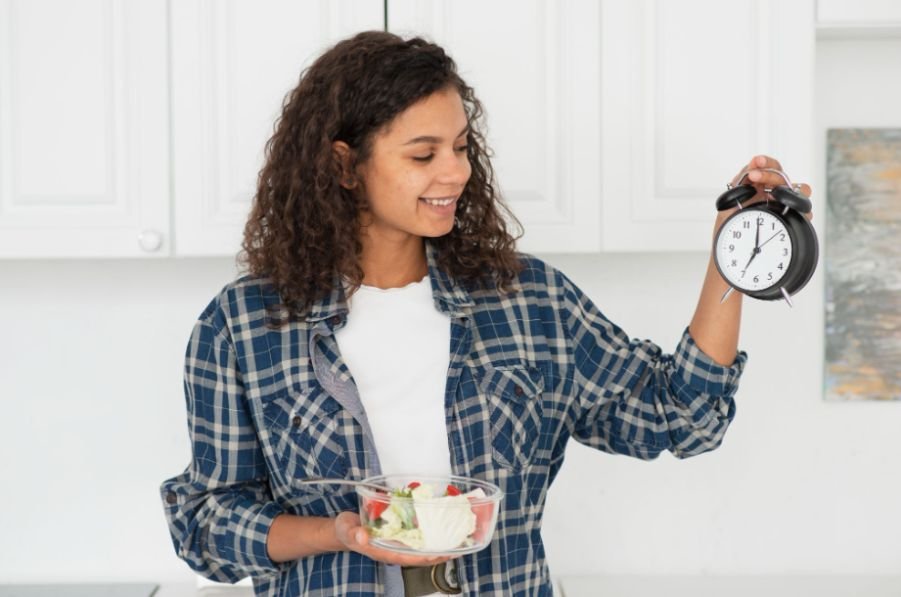
Yes, I can often prepare several meals or meal components in about 60 to 90 minutes if I work efficiently.
I preheat the oven first, start grains or other long-cooking foods, and then prepare proteins and vegetables. While those cook, I work on sauces, snacks, breakfast items, or produce.
The goal is not to race. I simply organize tasks so I am not standing around waiting for one ingredient to finish before starting another.
Should I Wash and Chop Produce After Grocery Shopping?
Prepping produce early can make healthy eating much easier during the week.
When appropriate for the ingredient, I wash, dry, chop, and store vegetables soon after grocery shopping. Having carrot sticks, sliced peppers, celery, berries, or other ready-to-use produce available makes snacks and meals faster to assemble.
However, I do not automatically wash every fruit or vegetable immediately. Some produce stores better when kept dry until I am ready to use it, so I consider the specific ingredient before prepping it.
How Do I Keep Meal Prep From Getting Boring?
I avoid preparing five identical meals whenever possible.
Instead, I prepare neutral ingredients and change the flavor with sauces, seasonings, herbs, toppings, and sides.
A basic chicken-and-rice combination can become a Mexican-inspired bowl with salsa, an Asian-style meal with teriyaki sauce, a Mediterranean bowl with cucumber and yogurt sauce, or a barbecue-style meal with slaw.
Rotating flavors makes healthy meal prep much easier to enjoy over the long term.
How Can Meal Prep Save Money on Groceries?
Meal prep on a budget starts before I enter the grocery store.
I check what I already have, plan meals around overlapping ingredients, compare store promotions, and avoid purchasing ingredients for only one recipe whenever possible.
Family dinner ideas can also help me plan practical meals that work for everyone at the table without needing a completely different dish for each person.
Affordable staples such as oats, rice, potatoes, beans, lentils, eggs, pasta, frozen vegetables, and seasonal produce can form the base of many inexpensive meals.
Batch cooking can also help me use family-size packages more efficiently. If I buy a large package of chicken, I can cook part of it immediately and freeze the rest for another week.
Having prepared food available also reduces the temptation to spend money on delivery or restaurant meals after a long workday.
What Are the Best Meal Prep Containers?
I prefer containers that are durable, airtight, easy to clean, and appropriate for how I plan to store and reheat food.
Glass meal prep containers can be useful because they allow me to see the food easily and many can move from the refrigerator to the microwave. Quality food-safe plastic containers can also work well, especially when portability and lighter weight matter.
I keep sauces and salad dressings in small separate containers. This simple habit prevents salads, grain bowls, and other prepared meals from becoming soggy.
How Should I Store and Reheat Meal-Prepped Food?

Safe food storage is an important part of meal prep.
For many cooked leftovers, I follow the common USDA recommendation of refrigerating them for about three to four days.
Food storage tips can help me keep meal-prepped dishes fresh, organized, and properly stored throughout the week. If I know I will not eat a portion within that time, I freeze it for later rather than leaving it in the refrigerator all week.
If I know I will not eat a portion within that time, I freeze it for later rather than leaving it in the refrigerator all week.
Soups, chili, casseroles, sauces, cooked meats, breakfast burritos, and many grain-based meals freeze particularly well.
When I reheat rice or grains, I sometimes add a small splash of water and cover the container loosely. The extra steam helps restore moisture and prevents the food from becoming unnecessarily dry.
I also make sure reheated food becomes thoroughly hot throughout.
What Meal Prep Mistakes Should I Avoid?
One of the biggest mistakes I can make is preparing more food than I realistically expect to eat.
Another problem is choosing meals that do not store well. Crispy foods, dressed salads, and delicate ingredients may lose their texture quickly.
I also avoid making every meal identical. Even a perfectly cooked dish can become unappealing by the fourth day.
Finally, I leave room for schedule changes. Unexpected dinners, work events, or changes in appetite happen. A meal plan should make my life easier, not make me feel guilty for changing plans.
Frequently Asked Questions
1. How many days should I meal prep at one time?
I usually prepare refrigerated meals for about three to four days and freeze additional portions for later. The ideal storage time depends on the ingredients and how the food was prepared.
2. What are the best meal prep tips for beginners?
I recommend starting with one meal, cooking familiar recipes, using ingredients across several dishes, preparing only a few days at first, and choosing foods that store and reheat well.
3. Is meal prep good for weight management?
Meal prep can make portion planning and balanced eating easier because I decide what to prepare before I become hungry. However, results depend on the foods, portions, and overall eating pattern I choose.
4. How do I meal prep without eating the same food every day?
I batch-cook versatile proteins, grains, and vegetables, then change sauces, seasonings, toppings, and sides throughout the week. This allows the same ingredients to become several different meals.
How Can I Make Meal Prep a Weekly Habit?
The most sustainable meal prep routine is the one that fits my real schedule.
I do not try to create a refrigerator that looks perfect on social media. I focus on preparing the parts of meals that usually slow me down during the week. Sometimes that means batch cooking several complete dishes, while other weeks I simply cook rice, roast vegetables, prepare protein, chop produce, and make a sauce.
Once I stopped treating meal prepping like an all-day project, it became much easier to maintain. A little planning can reduce weekday stress, simplify grocery shopping, cut food waste, and make home-cooked meals more convenient.
When I keep the system flexible, practical, and realistic, meal prep becomes less about perfect containers and more about making everyday eating easier.