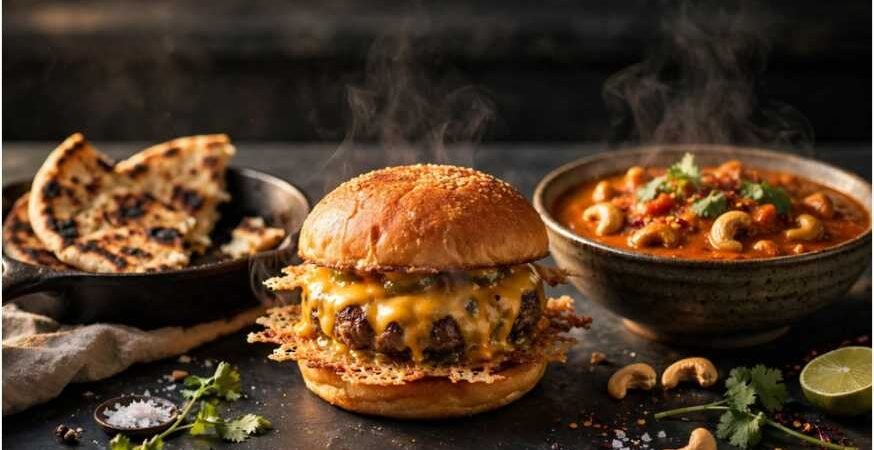
I spent years wondering why my kitchen creations never matched the flavor and crunch of casual dining spots. The truth is simple: preparing exceptional homemade restaurant food is not about exotic ingredients or expensive culinary gadgets. Professional cooks rely on foundational kitchen physics—controlling moisture, managing surface thermal transfer, and staggering emulsions. Once you manipulate these three principles, your home range performs just like a commercial line.
The Moisture Paradox: How Pro Kitchens Master Crispy Textures
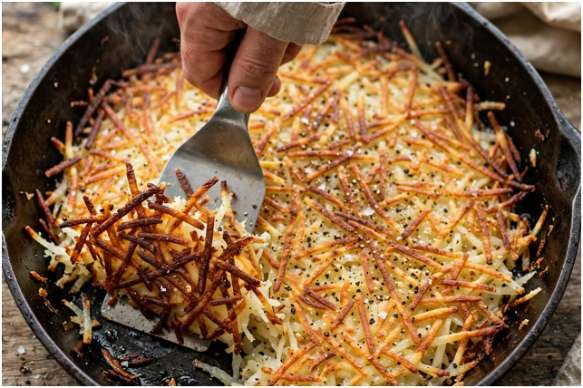
Water is the absolute enemy of crispiness. In professional kitchens, high-heat equipment evaporates surface moisture instantly. Standard residential burners output far fewer BTUs, which means trapped steam leaves food limp and soggy. To overcome this hurdle, eliminate moisture before food hits the pan.
Diner-Style Hash Browns Without the Steam Trap
I learned this technique after dozens of gummy hash brown batches: shredding russets straight into butter produces steam, not crunch. You must remove surface starch and intracellular water first.
Soak freshly shredded potatoes in cold, salted ice water for two full hours. The salt extracts loose starch that otherwise gelatinizes into a gluey texture. Drain the shreds completely, wrap them in a clean flour-sack towel, and wring out every drop of moisture.
When you drop them into a hot skillet, leave them undisturbed. Moving them releases trapped steam; letting them sit forms a crisp, interlocking golden lattice.
The Freeze-Before-Fry Barrier for Melted Cheese
Tavern mozzarella sticks fail at home for one consistent reason: blowout. The breading needs minutes in 350°F oil to turn brown, but cheese melts much faster.
Step 1: Dredge in flour --> Step 2: Egg wash dip --> Step 3: Breadcrumbs --> Step 4: Repeat steps 2 & 3 --> Step 5: Freeze for 60 min
Double-dredge your string cheese through flour, seasoned egg wash, and breadcrumbs. Freeze the sticks solid for at least one hour before frying. This deliberate thermal delay allows the outer breadcrumb crust to crisp while the interior cheese warms gently to a pull-apart melt.
High-Heat Mimicry: Replicating Commercial Ovens and Griddles
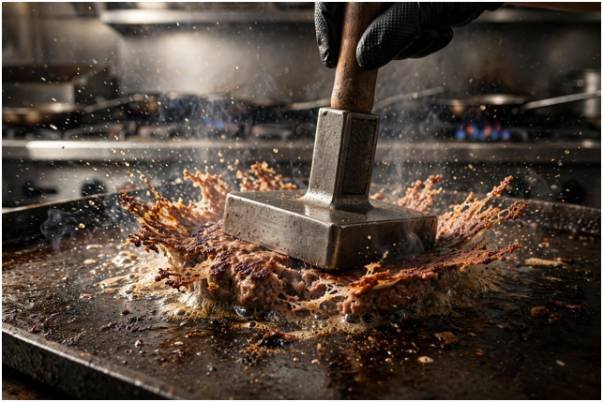
Commercial kitchens use 600°F flattops and 800°F stone deck ovens. Your residential equipment tops out lower, so you have to maximize contact and thermal mass.
Cast Iron Smash Crusts and Fat Dynamics
For smash patties, skip extra-lean cuts. Look for freshly ground chuck containing at least 20% fat, aligning with standard USDA ground beef standards.
Preheat an ungreased cast iron skillet until smoking hot. Place a chilled two-ounce ball of meat on the dry pan and press it down immediately with a heavy, flat press. Smashed meat develops intimate contact with the skillet face, triggering rapid Maillard browning. The high fat content renders swiftly, frying the jagged edges into lace-thin crisps.
High-Hydration Crusts on Home Baking Steels
True Neapolitan and tavern pizzas require instant heat transfer to blister. Standard baking sheets transfer energy too slowly, creating dense, bready crusts.
Use a heavy baking steel or a preheated cast iron pan. Knead a dough with 65% to 70% hydration, giving yeast ample fuel to inflate large air pockets. Par-sear the stretched dough round in a ripping hot skillet on your stovetop before topping it with crushed San Marzano tomatoes and low-moisture mozzarella.
Transfer the pan directly beneath a preheated oven broiler to achieve authentic charred spotting in under three minutes.
Building Depth: Layered Bases and Emulsions
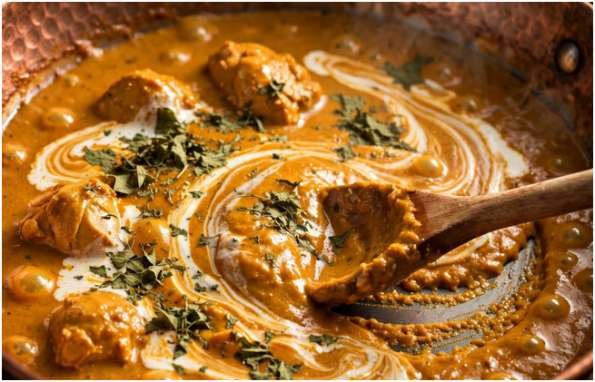
Line cooks do not prepare sauces from scratch during dinner rush; they assemble pre-reduced building blocks.
To successfully build flavor in cooking, structure your bases in stages:
-
The Aromatic Foundation: Brown onion paste, garlic, and ginger paste fried in fat until the water separates out.
-
The Body: Concentrated tomato reductions combined with blended nut pastes (like cashew or blanched almond) to produce a velvety body without cornstarch.
-
The Finishing Lipids: Stirring cold butter, heavy cream, or yogurt off the heat creates a stable suspension that yields a glossy mouthfeel.
You can create similar layered complexity when you prepare rich sauces or assemble restaurant style roasted vegetables.
Master Execution Reference for Restaurant Favorites
Use these exact target parameters to eliminate guesswork across classic recipes:
| Dish | Primary Texture Bottleneck | Pro Kitchen Solution | Target Pan Temp / Method |
| Diner Hash Browns | Internal steam softens shreds | 2-hour salted water soak + wringing | 375°F skillet, undisturbed 6–8 mins |
| Smash Burgers | Gray exterior without crust | High-fat chuck + dry cast iron smash | 450°F+ dry cast iron surface |
| Mozzarella Sticks | Premature cheese blowout | Double breading + 60-minute freeze | 350°F neutral oil deep fry |
| Skillet Pizza | Pale crust, rubbery cheese | Pre-sear base + top-rack broiler finish | 500°F broiler with cast iron base |
| Creamy Curries | Watery sauce, separated oils | Reduced onion-cashew base + fat finish | Low simmer, finish off-heat |
Slay the Pass: Final Tips for Service
Plate temperature dictates how long your cooking stays exceptional. Commercial kitchens keep plates on heated pass shelves so sauces do not break and fats do not congeal before reaching the table. Warm your serving dishes in a 170°F oven for five minutes prior to plating, and finish every plate with flaky salt or fresh acid.
Frequently Asked Questions About Homemade Restaurant Food
1. Why does restaurant food always taste richer than home cooking?
Restaurants use higher ratios of butter, salt, and multi-step reductions to develop deep aromatic compounds.
2. What pan is best for restaurant-quality searing at home?
Heavy cast iron or carbon steel pans provide superior heat retention for true Maillard crusts.
3. How do restaurants make french fries so crispy?
They double-fry potatoes by blanching them at a lower temperature first, cooling them, and crisping them in hotter oil.
4. Can I make restaurant pizzas without an outdoor pizza oven?
Yes, searing dough in a smoking-hot skillet before broiling replicates the intense bottom-and-top heat of deck ovens.
For a great visual breakdown of achieving diner-style burgers and perfect sear mechanics at home, check out this Classic Smash Burger Recipe. This step-by-step video demonstrates how hot cast-iron contact and rapid fat rendering produce the ultimate crisp crust.