I’ve learned that having a well-stocked kitchen can make cooking feel dramatically easier. When I have a few dependable ingredients within reach, I don’t need to make an emergency grocery run every time I want to prepare dinner. A handful of versatile foods can become pasta, soups, grain bowls, sauces, breakfasts, and quick weeknight meals.
That’s why I think building a practical pantry is less about buying everything you see at the grocery store and more about choosing ingredients you will actually use. From grains and canned foods to spices, oils, condiments, and baking essentials, the right staples give you a reliable foundation for everyday cooking.
In this guide, I’ll walk you through the essential ingredients worth keeping on hand, how to use them, how to store them, and how to build a pantry that works for your cooking habits.
What Are Pantry Staples?
Pantry staples are ingredients that are commonly kept at room temperature and used regularly in everyday recipes. Many are shelf-stable, versatile, affordable, and easy to combine with fresh ingredients.
A useful pantry should support the way you actually cook. If you regularly prepare pasta, rice dishes, soups, baked foods, or quick breakfasts, prioritize ingredients that appear repeatedly in those recipes.
The goal isn’t to create an enormous collection. It is to have enough dependable ingredients to turn basic groceries into satisfying meals.
Essential Pantry Staples to Keep on Hand
Oils and Fats
Cooking oils form the foundation of countless recipes. Keep a versatile neutral oil for sautéing, roasting, and frying, along with extra-virgin olive oil for dressings, marinades, sauces, and finishing dishes.
Other useful choices include sesame oil, coconut oil, and ghee, depending on your preferred cooking style.
Store oils away from direct sunlight and excessive heat to help preserve their quality.
Rice, Pasta, Grains, and Oats
Rice and pasta are among the most flexible ingredients in a home kitchen. They can serve as the base for quick dinners, casseroles, soups, salads, and one-pot meals.
Consider keeping long-grain or short-grain rice, pasta, oats, quinoa, and another grain you enjoy. Oats are particularly useful for breakfasts, homemade granola, and baking.
Store dry grains in sealed containers in a cool, dry location.
Beans, Lentils, and Legumes
Dried and canned beans provide affordable, versatile options for meals. Chickpeas, black beans, kidney beans, and lentils can add substance to soups, salads, curries, grain bowls, and tacos.
Canned beans are convenient when you need dinner quickly, while dried beans can be economical when you have time for soaking and cooking.
Canned and Jarred Foods
Canned foods can transform a nearly empty kitchen into a source of quick meals. Keep canned tomatoes, tomato paste, beans, coconut milk, broth, tuna, olives, and other ingredients you regularly use.
Canned tomatoes are particularly valuable because they can become pasta sauce, soup, stew, chili, or the foundation of numerous weeknight recipes.
Spices and Dried Herbs
Spices are small ingredients with a huge impact on flavor. Start with salt, black pepper, garlic powder, onion powder, paprika, cumin, chili flakes, cinnamon, oregano, and other seasonings that match your cooking habits.
Instead of buying dozens of rarely used spices, build your collection gradually. Replace older spices when their aroma and flavor become noticeably weak.
Condiments, Sauces, and Vinegars
Condiments can add acidity, sweetness, saltiness, heat, and depth without requiring complicated preparation.
Useful options include soy sauce, mustard, hot sauce, vinegar, honey, ketchup, and Worcestershire sauce. Balsamic, apple cider, or red wine vinegar can also be useful for dressings and marinades.
Choose sauces based on the recipes you actually prepare rather than collecting bottles that sit untouched. Versatile options such as soy sauce, hot sauce, and Dijon mustard can add depth, acidity, heat, or savory flavor to marinades, dressings, and pan sauces.
Baking Essentials
If you bake regularly, keep all-purpose flour, granulated sugar, brown sugar, baking powder, baking soda, cornstarch, vanilla extract, and other frequently used ingredients available.
Even occasional bakers can benefit from keeping a small selection because these ingredients are useful for pancakes, cookies, quick breads, sauces, and desserts.
Nuts, Seeds, and Dried Fruits
Almonds, walnuts, cashews, sunflower seeds, sesame seeds, raisins, dates, and other dried fruits can improve breakfasts, salads, baked goods, snacks, and grain dishes.
Because nuts and seeds contain natural oils, they can become rancid over time. Refrigerating or freezing them can help maintain freshness for longer storage.
Long-Lasting Produce
Some fresh foods can function almost like pantry staples because they remain useful for extended periods when stored correctly.
Onions, garlic, potatoes, and shallots can provide flavor and substance for soups, sauces, roasted dishes, and countless everyday recipes.
How to Build a Pantry From Scratch
If you’re starting from an empty kitchen, don’t feel pressured to purchase everything at once. Begin with versatile basics such as rice, pasta, cooking oil, canned tomatoes, beans, flour, oats, salt, pepper, and a small selection of spices.
Then add ingredients based on your favorite meals. Someone who loves homemade pasta will need different staples from someone who regularly prepares rice bowls, baked goods, or chili.
A smaller pantry filled with ingredients you use frequently is far more practical than an overflowing shelf of forgotten products.
What Can You Make With Pantry Ingredients?
A thoughtfully stocked kitchen can help you create meals even when your refrigerator looks sparse.
Pasta, canned tomatoes, garlic, olive oil, and dried herbs can become a simple tomato pasta. Rice, beans, spices, and canned vegetables can form a hearty grain bowl. Lentils, canned tomatoes, broth, and seasonings can become a comforting soup or stew.
Oats, nuts, dried fruit, cinnamon, and honey can create an easy breakfast. With flour, baking powder, sugar, and a few refrigerated ingredients, you can also prepare pancakes, biscuits, or quick baked treats.
The secret is choosing ingredients that work together rather than buying isolated products.
How to Organize and Maintain Your Pantry
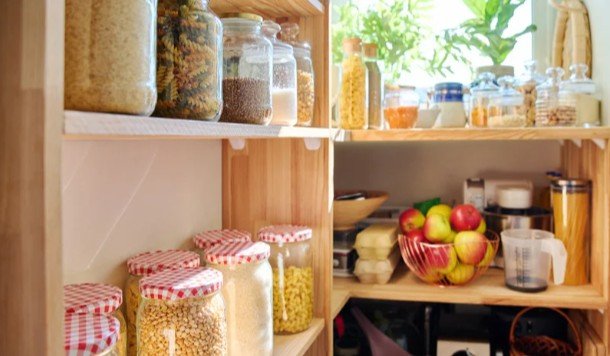
Keep frequently used ingredients within easy reach and place less-used items toward the back. Store dry foods in airtight containers when practical, especially after opening their original packaging.
Check dates regularly and use older products first. This simple first-in, first-out approach can reduce waste.
It also helps to take a quick inventory before grocery shopping. You may discover that you already have the ingredients needed for several meals.
Frequently Asked Questions
1. What are the most important pantry staples for cooking?
The most useful basics include rice, pasta, cooking oil, canned tomatoes, beans, flour, oats, salt, pepper, spices, vinegar, and a few versatile sauces. The ideal selection depends on your cooking habits.
2. How long do pantry staples last?
Shelf life varies by ingredient, packaging, and storage conditions. Dry grains, pasta, beans, and sugar can last a long time when kept properly, while oils, nuts, and whole-grain products generally require closer attention to freshness.
3. What should a beginner keep in their pantry?
Start with versatile ingredients you can combine across multiple meals. Rice, pasta, oats, canned beans, canned tomatoes, oil, flour, salt, pepper, and a few everyday spices are a practical starting point.
4. How can I avoid wasting pantry food?
Buy what you regularly eat, check your inventory before shopping, label opened foods when useful, and rotate older products toward the front so they get used first.
Final Thoughts
I’ve found that a good pantry isn’t measured by how full the shelves look. It’s measured by how easily those ingredients help me put a meal together. A few versatile staples can save time, reduce unnecessary grocery trips, stretch a budget, and make everyday cooking much less stressful.
I recommend starting small, choosing ingredients you genuinely enjoy, and gradually expanding your collection as your cooking becomes more varied. When your pantry reflects the way you actually eat, even a busy night can become an opportunity to make something delicious.