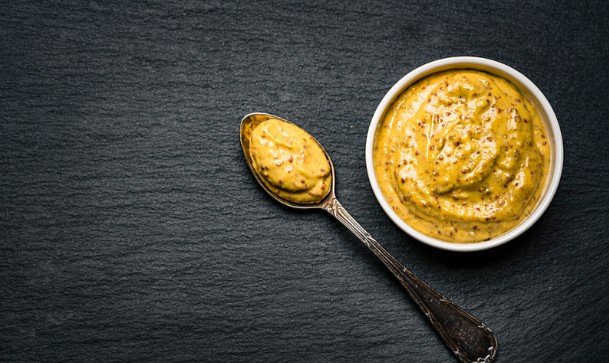
I first became curious about Dijon mustard after seeing it appear in recipes where ordinary yellow mustard just didn’t seem like the right choice. Its pale color, smooth texture, and sharp flavor make it surprisingly different from the mustard most of us grow up eating. Once I started looking into it, I discovered that there’s much more to this condiment than its French reputation.
From its history in Burgundy to its role in salad dressings, sauces, marinades, sandwiches, and glazes, Dijon has earned a permanent place in the kitchen. Here’s everything you need to know before adding that familiar jar to your next recipe.
What Is Dijon Mustard?
Dijon mustard is a smooth, pungent mustard associated with Dijon, the best of Burgundy, France. It is traditionally made using mustard seeds combined with an acidic ingredient such as vinegar or verjuice, along with water, salt, and other ingredients depending on the recipe or brand.
Compared with classic yellow mustard, it generally has a sharper, more complex flavor and a creamy texture. It is also usually less sweet and less brightly colored.
One important detail is often overlooked: a product labeled Dijon does not necessarily have to be manufactured in the city of Dijon today. The name is strongly associated with a particular style of mustard rather than guaranteeing a specific place of production.
What Is Dijon Mustard Made Of?
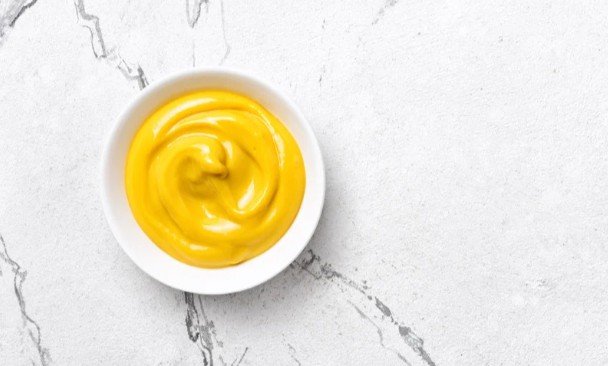
The ingredients can vary considerably between products, but the basic components commonly include mustard seeds, water, vinegar, salt, and sometimes wine or other flavoring ingredients.
Historically, verjuice played an important role in Dijon-style mustard. Verjuice is the tart juice of unripe grapes, and it helped give traditional mustard its distinctive acidity.
Modern commercial versions may rely on vinegar instead. Some products can also contain preservatives, acidity regulators, sulfites, or other ingredients, so checking the label is the best way to know exactly what is inside a particular jar.
Does It Always Contain White Wine?
No. Although white wine is frequently associated with traditional Dijon-style preparations, modern products do not all use it. Some rely primarily on vinegar for acidity.
This distinction matters if you’re avoiding alcohol or following a particular diet. Always check the ingredient list instead of assuming that every Dijon-style mustard contains wine.
What Does Dijon Mustard Taste Like?
The flavor is usually sharp, tangy, pungent, and slightly spicy, with a savory depth that makes it more versatile than many everyday mustards.
Its acidity gives food brightness, while mustard seeds provide a distinctive heat. Some varieties are relatively mild, while others deliver a much stronger kick.
It also tends to have little or no noticeable sweetness compared with many American-style yellow mustards. That makes it especially useful when you want acidity and spice without adding much sweetness.
Is Dijon Mustard Spicy?
It can be, but the heat level varies.
The type of mustard seed, processing method, acidity, age, and formulation can all affect how pungent a mustard tastes. Some jars provide a gentle warmth, while others can deliver a powerful sinus-clearing bite.
If you’re new to it, a classic smooth variety is a good starting point. If you prefer a stronger mustard flavor, look for products described as hot, extra strong, or traditionally prepared.
Where Did Dijon Mustard Come From?

The story begins in Dijon and the surrounding Burgundy region, where mustard-making became an important culinary tradition.
One significant development is associated with Jean Naigeon, a mustard maker credited with replacing the vinegar traditionally used in mustard with verjuice in the 18th century. That change helped establish the flavor profile that became closely connected with Dijon mustard.
Over time, Dijon became internationally recognized for mustard production. Today, however, the name describes a mustard style rather than meaning every jar originated in Dijon itself.
Dijon vs. Yellow Mustard: What’s the Difference?
The easiest way to understand the difference is through flavor and texture.
Dijon is typically sharper, more pungent, and more complex. Yellow mustard is generally milder, brighter in color, and often more acidic or slightly sweet depending on the formulation.
Yellow mustard is a natural choice for hot dogs, burgers, sandwiches, and casual American-style dishes. Dijon is particularly useful when you want mustard to become part of the overall flavor of a dish rather than simply acting as a topping.
Dijon vs. Whole-Grain Mustard
The biggest difference is texture.
Dijon is generally smooth, while whole-grain mustard contains visibly intact or partially crushed mustard seeds. Whole-grain varieties therefore have a more rustic appearance and a noticeable seed texture.
Both work beautifully with meats, sandwiches, dressings, and sauces. Choose smooth mustard when you want it to blend seamlessly into a recipe and whole-grain mustard when you want texture and visual appeal.
How to Use Dijon Mustard in Cooking
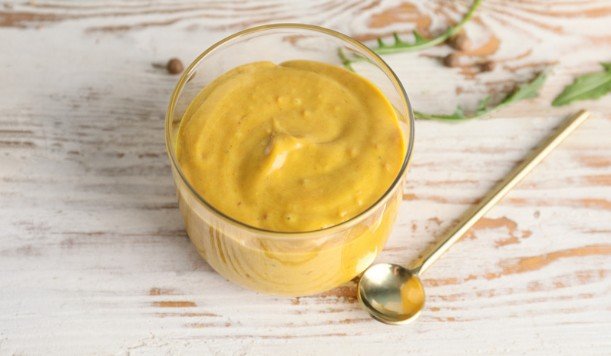
One reason I consider this mustard such a useful pantry ingredient is that it can play several roles at once.
Use it to make vinaigrettes, where its sharp flavor balances oil and acidity. Stir it into cream sauces for extra depth, or combine it with herbs and seasonings for a marinade.
It also works well in glazes for roasted vegetables, chicken, pork, and fish. Spread it onto sandwiches, mix it into potato salads, add it to deviled eggs, or use a small amount in cheese-based dishes.
Dijon can also help emulsify dressings, allowing oil and acidic ingredients to stay better integrated. That’s one reason you’ll often find it in classic vinaigrette recipes.
Why Do Recipes Use It?
It is not simply there to make a dish taste like mustard; its acidity and emulsifying properties can also balance richness and stabilize sauces made with creme fraiche.
A small amount can provide acidity, pungency, seasoning, and balance. It can cut through rich ingredients, enhance savory flavors, and help bring a sauce or dressing together.
What Can You Substitute for Dijon Mustard?
If a recipe calls for Dijon and you don’t have any, several alternatives can work. Stone-ground mustard is one of the closest options because it provides a comparable mustard intensity, although its texture is coarser.
Spicy brown mustard can work particularly well in marinades, sandwiches, and meat dishes. Yellow mustard can also work in many recipes, although it is milder and may be sweeter.
Whole-grain mustard is another practical substitute when texture isn’t a problem. For recipes where mustard is mainly being used for seasoning rather than structure, a small amount of dry mustard can also provide mustard flavor. In most savory recipes, you can start with a 1:1 substitution and adjust according to taste.
Frequently Asked Questions
1. Is Dijon mustard spicy?
It can be. Its heat ranges from mild to quite pungent depending on the mustard seeds, preparation, and formulation.
2. Is Dijon mustard sweet?
Usually not very. It tends to be tangy, sharp, and savory rather than sweet, although individual products can contain sweetening ingredients.
3. Can you replace Dijon mustard with yellow mustard?
Yes. Yellow mustard can work as a 1:1 substitute in many recipes, although the finished dish may taste milder, brighter, and sometimes sweeter.
4. Is Dijon mustard vegan?
Many varieties are suitable for vegan diets, but formulations differ. Check the ingredient label of the specific product.
Final Thoughts
I think Dijon mustard deserves more attention than simply being treated as another condiment in the refrigerator. Its combination of acidity, heat, and savory depth can transform surprisingly simple dishes, and a small amount often goes a long way.
What I like most is its versatility. You can whisk it into a dressing, spread it on a sandwich, blend it into a sauce, or brush it over something before roasting. Once you understand how its flavor works, it’s much easier to see why this French mustard has become a staple far beyond Burgundy.