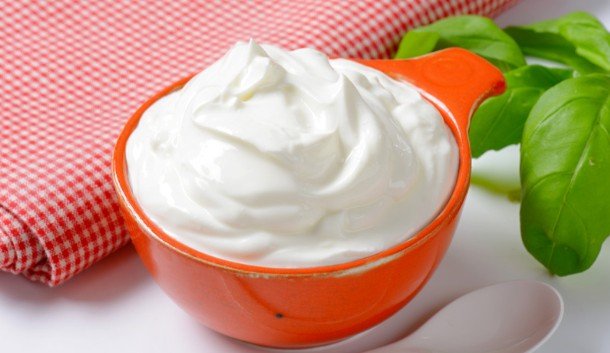
If you’ve ever spotted a small tub of crème fraîche in the refrigerated dairy section and wondered whether it was just an expensive version of sour cream, you’re not alone. I used to think the two were almost interchangeable until I started paying attention to how differently they behave in recipes.
The rich texture, gentle tang, and ability to handle heat make this French-style cultured cream surprisingly useful in an American kitchen.
What Is Crème Fraîche?
Crème fraîche is a thick, cultured cream made by fermenting heavy cream with beneficial bacterial cultures. The fermentation gives it a mild tang while creating its characteristic thick, velvety texture.
Unlike many sour cream products commonly found in U.S. grocery stores, crème fraîche typically has a higher fat content and a softer acidity. That difference affects both its flavor and how it behaves during cooking.
It is traditionally associated with French cuisine, but you can now find it at many larger American supermarkets, specialty food stores, and well-stocked grocery chains. Look for it in the refrigerated dairy section, often near sour cream, cream, or specialty cheeses.
What Does Crème Fraîche Taste Like?
The flavor is creamy, rich, slightly nutty, and pleasantly tangy without being aggressively sour.
Its mild acidity makes it particularly versatile. Sour cream can sometimes dominate a dish with its sharper flavor, while crème fraîche tends to blend into sauces and other foods while adding richness.
The texture is another major attraction. It is thick enough to spoon over food but smooth enough to stir into sauces, soups, and dressings.
For American home cooks, that combination of richness and subtle tang makes it useful in everything from weeknight meals to holiday dishes.
How Is Crème Fraîche Made?
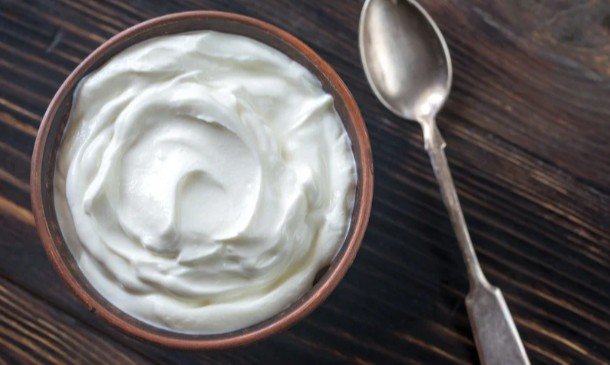
Traditional crème fraîche begins with cream and live bacterial cultures. During fermentation, the bacteria convert some of the lactose in the cream into lactic acid. This process thickens the cream and produces its characteristic tang.
You can also make a homemade version using heavy cream and a cultured dairy ingredient such as buttermilk. The mixture is allowed to sit at room temperature for a period of time while fermentation takes place, then it is chilled before use.
Homemade results can vary, so proper food-safety practices and fresh ingredients are important.
Crème Fraîche vs. Sour Cream
Although they look similar, they are not exactly the same.
Sour cream generally has a sharper, more pronounced acidic flavor. Crème fraîche is usually richer, milder, and creamier.
The biggest practical difference appears when you cook with them. Because crème fraîche has a higher fat content and lower acidity, it generally tolerates heat better and is less likely to separate or curdle.
That makes it especially useful when you’re making warm sauces, soups, pan sauces, or creamy pasta dishes.
Sour cream is still excellent for dips, baked potatoes, tacos, chili, and cold toppings. The better choice depends on the recipe and the flavor you want.
How to Use Crème Fraîche
There are countless ways to incorporate this ingredient into everyday cooking.
In Soups and Sauces
Stir a spoonful into tomato soup, mushroom soup, potato soup, or a creamy vegetable soup for extra body and richness.
It also works beautifully in pan sauces. Add it toward the end of cooking to create a smooth, luxurious sauce for chicken, pork, steak, or vegetables.
With Pasta and Eggs
For a quick pasta sauce, combine crème fraîche with Parmesan, herbs, black pepper, and a little pasta water. It creates a creamy coating without requiring a complicated sauce.
It is also excellent with scrambled eggs, omelets, and baked eggs. A small spoonful can make breakfast noticeably richer and creamier.
With Potatoes and Vegetables
Try it instead of sour cream on baked potatoes. Add chives, scallions, cracked black pepper, or roasted garlic for an easy topping.
You can also spoon it over roasted vegetables or use it as the base for a creamy dip.
In Desserts
Don’t assume it is only for savory recipes. Its gentle tang balances sweet flavors exceptionally well.
Serve it with fresh berries, peaches, apples, pancakes, waffles, cakes, or fruit crisps. You can also sweeten it lightly with honey or maple syrup.
The Best Crème Fraîche Substitutes

If you cannot find it at your local supermarket, several alternatives can work.
Sour cream is the easiest substitute and is suitable for many cold toppings and dips. Greek yogurt can provide a lighter option, although it is generally more acidic and less rich.
Mascarpone works well in desserts when you want a thicker, richer result, but it lacks the characteristic tang. Heavy cream can provide richness in sauces but does not reproduce the cultured flavor.
For the closest overall replacement, sour cream mixed with a little heavy cream can help approximate the richness and texture.
How to Make Crème Fraîche at Home
Making a homemade version is surprisingly simple.
Combine heavy cream with a small amount of cultured buttermilk in a clean container. Cover it loosely and allow it to ferment at room temperature until it thickens. Once it reaches the desired consistency, refrigerate it.
The exact timing can vary depending on room temperature and the ingredients used. The finished product should have a pleasant cultured aroma and mild tang rather than an unpleasant or spoiled smell.
Always use clean equipment and fresh dairy products, and refrigerate the finished product promptly.
How Should You Store It?
Keep commercially prepared crème fraîche refrigerated and follow the package’s use-by or best-by date.
After opening, use a clean utensil each time and keep the container tightly covered. Homemade versions generally require extra care because they do not contain the same commercial processing and packaging controls.
Freezing is usually not ideal because the texture can become grainy after thawing.
Frequently Asked Questions
1. Is crème fraîche the same as sour cream?
No. Both are cultured dairy products, but crème fraîche is generally richer, milder, and more heat-stable than sour cream.
2. Can you cook with crème fraîche?
Yes. Its relatively high fat content makes it particularly useful in warm sauces, soups, pasta dishes, and pan sauces.
3. Can you whip crème fraîche?
Yes. Chilled crème fraîche can be whipped, producing a thick and slightly tangy topping that pairs especially well with fruit and desserts.
4. Is crème fraîche sweet?
It is not naturally sweet. Its flavor is primarily rich and mildly tangy, although you can sweeten it for desserts.
5. Where can you buy crème fraîche?
In the U.S., check the refrigerated dairy or specialty cheese section of larger supermarkets, gourmet grocery stores, and specialty food retailers.
Final Thoughts
I think crème fraîche deserves more attention in the everyday kitchen. Once I understood that it wasn’t simply another type of sour cream, I found many more reasons to keep it around. Its mild tang, rich texture, and versatility make it useful for both simple weeknight meals and more polished dishes.
If you’re trying it for the first time, start small: spoon it over roasted potatoes, swirl it into a soup, add it to pasta, or serve it alongside fresh fruit. Once you experience how easily it fits into different recipes, it becomes one of those ingredients that’s difficult to overlook.