I used to assume that any neutral oil could handle a hot skillet. However, oil selection affects browning, flavor, smoke and cooking performance more than many home cooks realize. Choosing the best oil for high heat cooking requires looking beyond a single temperature printed on a chart. Refinement, oxidative stability, fat composition, freshness, flavor and price all matter.
For most kitchens, refined avocado oil is the best premium all-purpose choice. Canola and vegetable oils offer better value for deep-frying, while refined olive oil provides a versatile balance of performance and flavor. Here is how the leading choices compare.
What Makes an Oil Suitable for High Heat?
An oil’s smoke point is the temperature at which it begins producing visible smoke. Once that happens, the oil may develop an unpleasant smell and bitter flavor. Smoke-point values are approximate because processing, age, storage and product quality can change how an oil behaves.
Smoke point should not be the only consideration. Oxidative stability describes how well an oil resists reacting with oxygen as it heats. Oils containing mostly monounsaturated fats generally tolerate heat better than oils containing large amounts of delicate polyunsaturated fats.
Refining also matters. It removes particles and flavor compounds that burn at lower temperatures, usually giving an oil a milder taste and higher smoke point. This is why refined avocado, olive and peanut oils are normally more appropriate for intense heat than their virgin or cold-pressed versions.
Seven Oils That Perform Well at High Temperatures
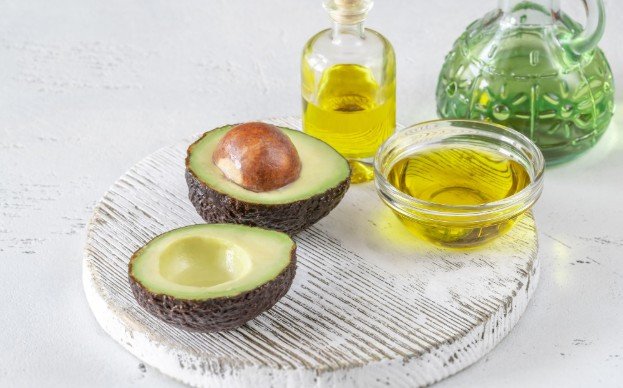
1. Refined Avocado Oil
Refined avocado oil has a smoke point commonly reported between 480°F and 520°F. Its neutral flavor works with meat, seafood, vegetables and baked dishes without overwhelming other ingredients.
It is particularly useful for searing steak, grilling, roasting vegetables and cooking in a hot cast-iron skillet. Its main disadvantage is price. Quality can also vary, so shoppers should choose a reputable producer, check the expiration date and avoid bottles that smell stale.
2. Refined Olive Oil
Refined olive oil, sometimes labeled light or pure olive oil, can generally tolerate approximately 390°F to 470°F. It has a much milder taste than extra-virgin olive oil and performs well in sautéing, roasting and shallow-frying.
The word “light” describes its color and flavor, not its calorie content. It supplies roughly the same calories as other cooking oils. Home cooks who enjoy olive oil but need greater heat tolerance may find this the most practical everyday option.
3. Peanut Oil
Refined peanut oil has a smoke point around 450°F and is widely used for frying and stir-frying. It heats efficiently, tastes relatively neutral and can produce a crisp exterior without adding a heavy flavor.
It is often more economical than avocado oil when a recipe requires several cups. People managing peanut allergies should verify whether a product and its manufacturing environment are appropriate for them before using it.
4. Canola Oil
Canola oil is affordable, widely available and mild enough for almost any savory or sweet recipe. Depending on the product and refinement, published smoke-point estimates commonly range from about 400°F to 475°F.
It works well for pan-frying, roasting, grilling, baking and preparing foods in a wok. Its combination of low price and neutral flavor makes it an especially useful choice for routine cooking or recipes requiring a substantial quantity of oil.
5. Rice Bran Oil
Rice bran oil typically has a smoke point near 450°F. Its clean flavor makes it suitable for deep-frying, stir-frying and roasting without competing with seasonings.
Although it may not be available in every supermarket, it provides a useful alternative to canola and peanut oils. It is especially appealing when a cook wants a neutral oil that can serve several purposes.
6. High-Oleic Safflower or Sunflower Oil
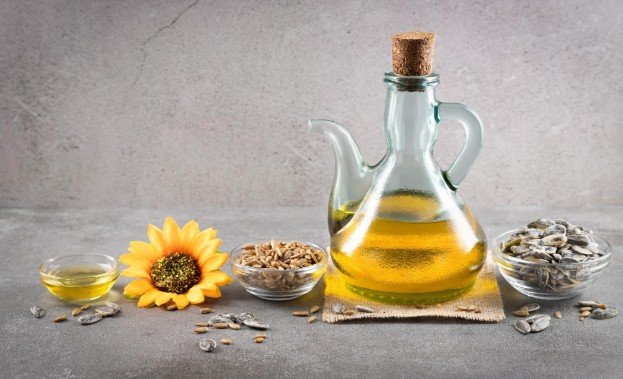
High-oleic varieties contain more monounsaturated fat than conventional versions, improving their stability during heating. Refined safflower and sunflower oils can have smoke points of approximately 450°F or higher.
The words “high oleic” are important. Standard versions may have a different fatty-acid profile and should not automatically be treated as identical. Check the front and nutrition labels rather than relying only on the plant named on the bottle.
7. Ghee
Ghee is butter with its water and milk solids removed. Because the solids that burn easily are absent, it can handle considerably more heat than ordinary butter, often reaching approximately 450°F before smoking.
Its rich, nutty character complements curries, eggs, meat and roasted vegetables. However, ghee contains more saturated fat than most liquid vegetable oils. It is therefore better chosen for its distinctive flavor than treated as the only fat used in every meal.
Which Oil Works Best for Each Cooking Method?
For an extremely hot sear, refined avocado oil provides the greatest temperature margin. Refined avocado, canola, and high-oleic oils are also dependable choices when selecting the best oils for cooking, particularly for grilling and high-temperature roasting.
Deep-frying normally occurs around 350°F to 375°F, so an oil does not need the highest possible smoke point. Canola, vegetable and refined peanut oils are sensible because they are neutral and comparatively economical.
For stir-frying, choose refined peanut, canola, avocado or regular refined sesame oil. Toasted sesame oil should generally be added later for flavor rather than used as the main frying fat.
Extra-virgin olive oil can handle many normal sautéing and baking tasks, but its distinctive flavor and higher price may be wasted during intense frying. Refined olive oil is usually the more practical option when temperatures will be higher.
Oils to Keep Away From Intense Heat
Flaxseed, walnut and toasted sesame oils are better used in dressings, dips or as finishing oils. Their delicate flavors can deteriorate when exposed to excessive heat.
Ordinary butter may burn in a hot pan because it contains milk solids. Ghee is more suitable when buttery flavor is wanted. Unrefined coconut oil also has a lower smoke point than its refined counterpart, while both contain substantial saturated fat.
Regardless of the variety, stop using oil that smells rancid, tastes bitter or produces smoke under normal conditions. Repeated overheating and food particles can accelerate deterioration.
Buying, Using and Storing Oil Properly
Choose a bottle size that can be finished while the oil is still fresh. Store it tightly closed in a cool, dark cabinet away from the stove, oven and direct sunlight. Heat, light and oxygen gradually damage oil even before it enters the pan.
Use a thermometer when deep-frying and avoid overcrowding the pot, as too much food causes a sharp temperature drop. If oil begins smoking, remove the pan from the heat carefully and allow it to cool. Never pour water onto burning oil.
Frequently Asked Questions
1. What is the best oil for high heat cooking and searing?
Refined avocado oil is the strongest all-purpose option because it has a very high smoke point and neutral flavor. Refined olive, peanut and canola oils are also dependable alternatives.
2. Is extra-virgin olive oil unsafe when heated?
No. It is suitable for many everyday cooking methods, including moderate sautéing and baking. Refined olive oil is simply more neutral and provides a larger margin for particularly intense heat.
3. Which oil is most economical for deep-frying?
Canola or vegetable oil is usually the most economical choice. Both have neutral flavors and can comfortably handle normal frying temperatures when kept below their smoke points.
4. Can frying oil be reused?
Some frying oil can be strained and reused if it has not smoked, darkened, thickened or developed an unpleasant odor. It should be cooled, filtered and stored properly. Discard questionable oil rather than risk poor flavor.
Final Thoughts
I would keep two oils rather than expect one bottle to handle every task. Refined avocado oil is my choice for intense searing and high-temperature roasting, while canola or vegetable oil makes more financial sense for deep-frying. Refined olive oil is an excellent middle-ground option for everyday use.
The smartest selection depends on the cooking method, desired flavor and budget. Paying attention to refinement, freshness and temperature control will improve results more reliably than choosing an oil solely because it has the largest smoke-point number.