I used to think one bottle could handle every recipe. However, an oil that complements a fresh salad may smoke during searing, while a neutral frying oil may add little character to a finished dish. Choosing the best oils for cooking requires balancing heat tolerance, flavor, fat composition, refinement, and cost.
Extra-virgin olive oil remains an excellent everyday choice, while avocado, refined olive, and canola oils work well when temperatures rise. Specialty options such as toasted sesame oil provide flavor rather than all-purpose performance. This guide explains which bottle to reach for and why.
What Makes a Cooking Oil a Good Choice?
No oil wins in every category. Before selecting one, consider how it will be used.
Fat Composition
Oils rich in monounsaturated and polyunsaturated fats are generally preferable to fats containing large amounts of saturated fat. Olive, avocado, canola, safflower, and sesame oils contain predominantly unsaturated fats.
Coconut oil, palm oil, butter, and ghee contain considerably more saturated fat. They can still provide desirable flavor or texture, but they are better treated as occasional ingredients than automatic everyday choices.
Heat Tolerance
A smoke point is the temperature at which an oil begins producing visible smoke. Once that happens, its flavor can deteriorate and unwanted compounds may form. Oil selection can matter as much as understanding fresh herbs VS dried herbs, since both choices influence a dish’s final flavor and how ingredients respond to heat.
Smoke point is useful, but it should not be the only deciding factor. Refinement, fatty-acid composition, freshness, antioxidant content, and heating duration also influence performance. Furthermore, figures vary between brands and production methods, so smoke-point numbers should be treated as approximate ranges.
Flavor and Price
A robust oil can improve a dressing but overpower a delicate cake. Neutral oils are more adaptable for baking, shallow frying, and recipes in which the main ingredients should dominate.
Price also matters. Avocado oil performs well at higher temperatures but is often expensive. Canola and refined olive oil can provide more economical alternatives.
1. Extra-Virgin Olive Oil: Best Overall
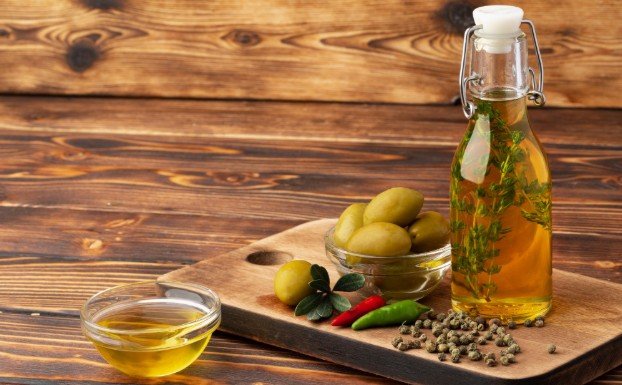
Extra-virgin olive oil offers a valuable combination of flavor, versatility, monounsaturated fat, and naturally occurring polyphenols. It is suitable for dressings, dipping, gentle sautéing, sauces, and many ordinary roasting applications.
Its grassy or peppery character varies considerably. A bold bottle may enhance vegetables and pasta, while a mild version works in recipes where strong olive flavor is undesirable.
Despite a common misconception, extra-virgin olive oil is not restricted to cold dishes. It can handle many normal cooking temperatures. Nevertheless, refined olive oil or another suitable neutral oil may be more practical for prolonged frying or exceptionally hot searing.
2. Avocado Oil: Best for High Heat
Refined avocado oil is valued for its relatively high smoke point, neutral taste, and monounsaturated fat content. It performs especially well for searing, grilling, roasting, and stir-frying.
Unrefined avocado oil is different. It retains more flavor and is generally better suited to moderate heat, dressings, or finishing. Shoppers should check the label rather than assuming every bottle behaves identically.
The primary drawback is price. For frequent high-temperature cooking, less expensive alternatives may deliver comparable practical results.
3. Refined Olive Oil: Best Versatile Alternative
Refined olive oil is milder than extra-virgin oil because refinement removes some flavor compounds and impurities. That process also improves its tolerance for higher temperatures.
It is a sensible option for roasting, pan-frying, searing, and dishes that need a neutral background. The word “light” on an olive-oil label normally refers to its color or flavor—not reduced calories.
Keeping extra-virgin and refined olive oils provides two different functions without filling the pantry with numerous bottles.
4. Canola Oil: Best Budget-Friendly Choice
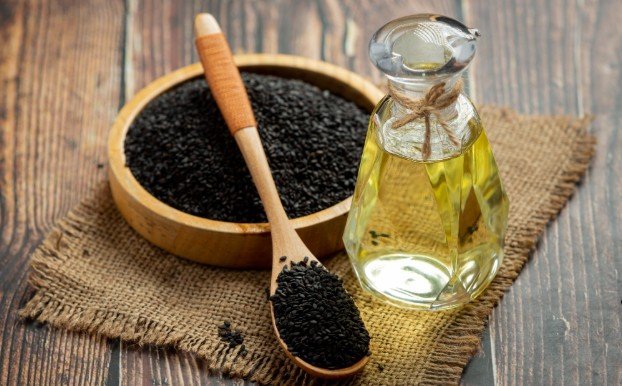
Canola oil has a neutral flavor, a useful cooking range, and relatively little saturated fat. It works in baked goods, marinades, roasted vegetables, stir-fries, and shallow-fried foods.
Its affordability makes it especially practical when a recipe requires more than a small drizzle. Although online discussions frequently place every seed-derived oil into one category, different oils have different fatty-acid profiles and uses. Overall dietary pattern, cooking temperature, and repeated overheating deserve more attention than alarming labels.
5. Peanut Oil: Best for Frying
Refined peanut oil combines a high heat tolerance with a mostly neutral taste. It is frequently selected for deep-frying, wok cooking, and crisp fried foods.
Unrefined or roasted peanut oil delivers a stronger nutty flavor and is better used selectively. Peanut allergies must also be considered when cooking for other people, particularly when the oil’s processing and allergen information are unclear.
6. Sesame Oil: Best for Flavor
Regular refined sesame oil can be used for sautéing and stir-frying. Toasted sesame oil is darker, more aromatic, and generally used as a finishing ingredient.
A small amount can transform noodles, vegetables, sauces, marinades, and rice. Because its flavor is concentrated, toasted sesame oil usually works better alongside a neutral cooking oil than as the only fat in the pan.
7. High-Oleic Sunflower Oil: Best Neutral Option
High-oleic sunflower oil contains more monounsaturated oleic acid than conventional sunflower oil. This distinction gives it greater heat stability and makes it useful for roasting, frying, and baking.
Consumers should specifically look for “high oleic” on the label. Regular and high-oleic sunflower oils do not have identical compositions, even though they share the same general name.
Refined vs. Unrefined Oils

Refined oils typically have a milder flavor, higher smoke point, and lower price. They are useful when food will be cooked at elevated temperatures.
Unrefined oils—including products labeled virgin, extra virgin, or cold-pressed—retain more natural flavor and certain beneficial compounds. They often shine in dressings, dips, drizzles, and lower-temperature cooking.
The best oils for cooking therefore depend partly on whether refinement supports or undermines the intended use. Neither category is automatically superior in every situation.
Oils to Use More Selectively
Coconut oil and ghee can tolerate heat and contribute distinctive flavor, but both contain substantial saturated fat. Flaxseed, walnut, and some specialty nut oils are better suited to cold dishes because heat can damage their delicate characteristics.
Fish oil should not be used as a conventional cooking oil. Palm oil also raises nutritional and environmental considerations, making unsaturated liquid oils more appropriate for routine use.
Common Cooking-Oil Mistakes
Do not continue cooking once oil produces persistent smoke. Remove the pan from the heat, allow it to cool safely, and restart when necessary.
Avoid repeatedly reusing frying oil because successive heating accelerates deterioration. Oil should also be stored away from light, air, and heat. A bitter, stale, waxy, or paint-like odor can indicate rancidity.
Buying enormous containers is not economical if the oil deteriorates before it is finished. A dark or opaque bottle stored in a cool cupboard will usually protect quality better than a clear container beside the stove.
Frequently Asked Questions
1. What are the best oils for cooking every day?
The best oils for cooking every day include extra-virgin olive oil for moderate temperatures and dressings, plus refined olive, avocado, or canola oil for hotter or neutral-flavored applications.
2. Which oil works best for frying?
Refined avocado, peanut, canola, and refined olive oils are practical choices. The oil should suit the frying temperature and should not be allowed to smoke.
3. Can extra-virgin olive oil be heated?
Yes. Extra-virgin olive oil is suitable for many ordinary sautéing, baking, and roasting tasks. A refined oil may be preferable for very high temperatures or prolonged frying.
4. Is coconut oil healthier than olive oil?
Coconut oil contains substantially more saturated fat, while olive oil is rich in monounsaturated fat. Olive oil is generally the more versatile everyday option.
Final Take
I would keep the decision simple: extra-virgin olive oil for flavor and routine meals, one neutral refined oil for hotter cooking or baking, and toasted sesame oil for finishing. I also check the label carefully, match the oil to the temperature, and avoid letting it smoke. That approach provides versatility without turning the pantry into an oil collection.