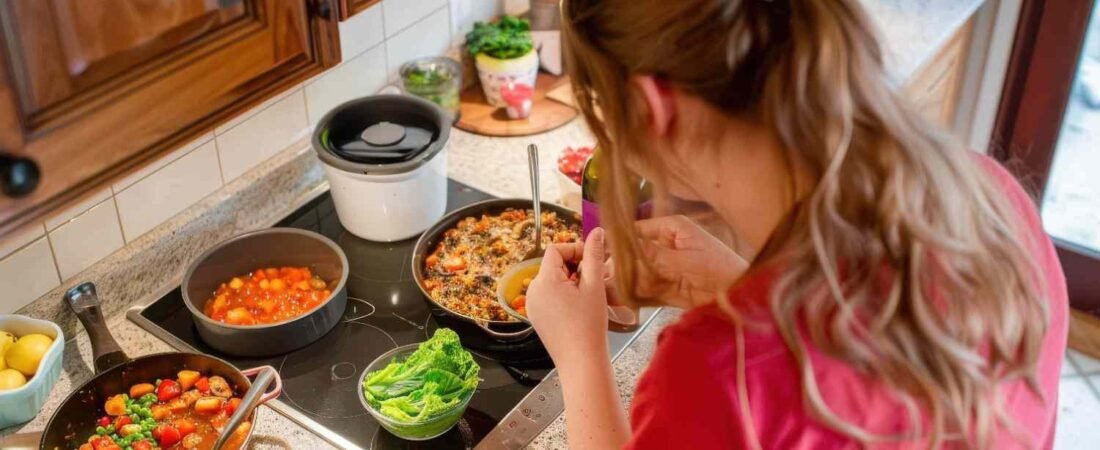
Some of my best meals have come from tiny kitchen tricks rather than complicated recipes. A better way to peel ginger, one small change to how I brown meat, or a splash of reserved pasta water can completely transform an ordinary dinner. That is why I keep returning to practical cooking hacks for home cooks that make everyday cooking faster, cleaner, and more flavorful without adding extra stress.
In a busy kitchen, small improvements matter. The right shortcut can save prep time, help ingredients caramelize properly, revive leftovers, and even make cleanup easier. I’ve gathered the techniques I find most useful for real weeknight cooking, including smart prep methods, chef-inspired flavor tricks, better storage ideas, and simple ways to avoid common mistakes.
What Are the Best Prep Hacks for Faster Home Cooking?
Read the Recipe and Set Up First
I read a recipe from beginning to end, then measure, chop, and organize everything before the pan gets hot. This mise en place habit prevents rushed mistakes and burned ingredients.
Peel Ginger With a Spoon
Scrape fresh ginger with the edge of a metal spoon instead of trimming away the skin with a knife. The spoon follows the curves closely and reduces waste.
Keep Your Cutting Board From Sliding
Place a damp, wrung-out kitchen towel or paper towel under your cutting board. The extra friction keeps the board steadier and makes chopping safer.
Steam Garlic for Easier Peeling
Microwave separated garlic cloves for about 10 seconds. The brief heat creates steam that loosens the papery skin. Let the cloves cool slightly before peeling.
Soak Raw Onions to Reduce Sharpness
Soak raw onion slices in cold water for two to three minutes, then drain and dry them. The onions stay crisp but taste milder in burgers, salads, tacos, and sandwiches.
How Can I Make Home-Cooked Food Taste More Like Restaurant Food?
Season in Layers
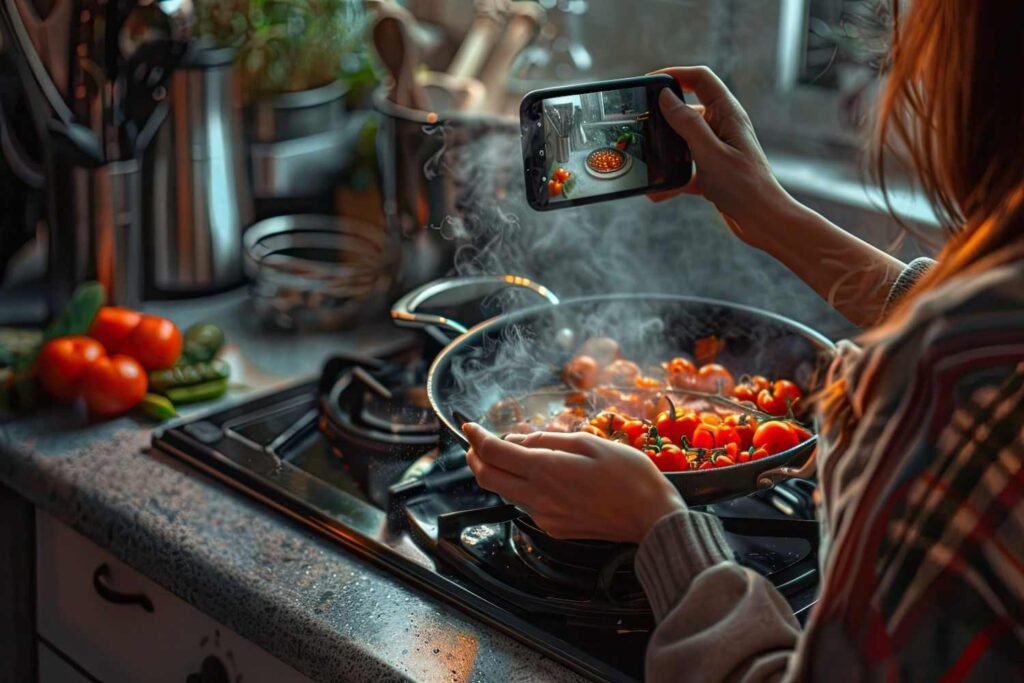
Instead of adding all the salt at the end, season lightly as ingredients cook. Layering seasoning creates more balanced flavor.
Add Acid When Food Tastes Flat
A squeeze of lemon or lime or a splash of vinegar can brighten soups, stews, roasted vegetables, sauces, and rich meat dishes. Add a little, taste, and adjust.
Brown Tomato Paste Before Adding Liquid
Cook tomato paste in a little fat until it darkens slightly before adding broth, tomatoes, or water. This builds deeper flavor in chili, pasta sauce, and braises.
Use Baking Soda for Better-Browned Ground Meat
For ground beef, turkey, or pork, mix in about 1/4 teaspoon of baking soda per pound roughly 20 minutes before cooking. The higher surface pH can retain moisture and accelerate Maillard browning.
Stop Stirring Constantly
Food needs uninterrupted contact with a hot pan to develop a flavorful crust. Constant stirring can lower surface heat and prevent proper caramelization.
Save Pasta Water
Before draining pasta, reserve about a cup of cooking water. A splash of that starchy liquid, tossed with sauce and butter or olive oil, helps create a glossy emulsion that clings to the noodles.
Finish Sauces With Cold Butter
Stir a small piece of cold butter into a finished sauce over low or no heat. It adds richness, shine, and smoother texture.
How Do I Get Better Browning on Meat and Vegetables?
Preheat the Pan and Avoid Crowding
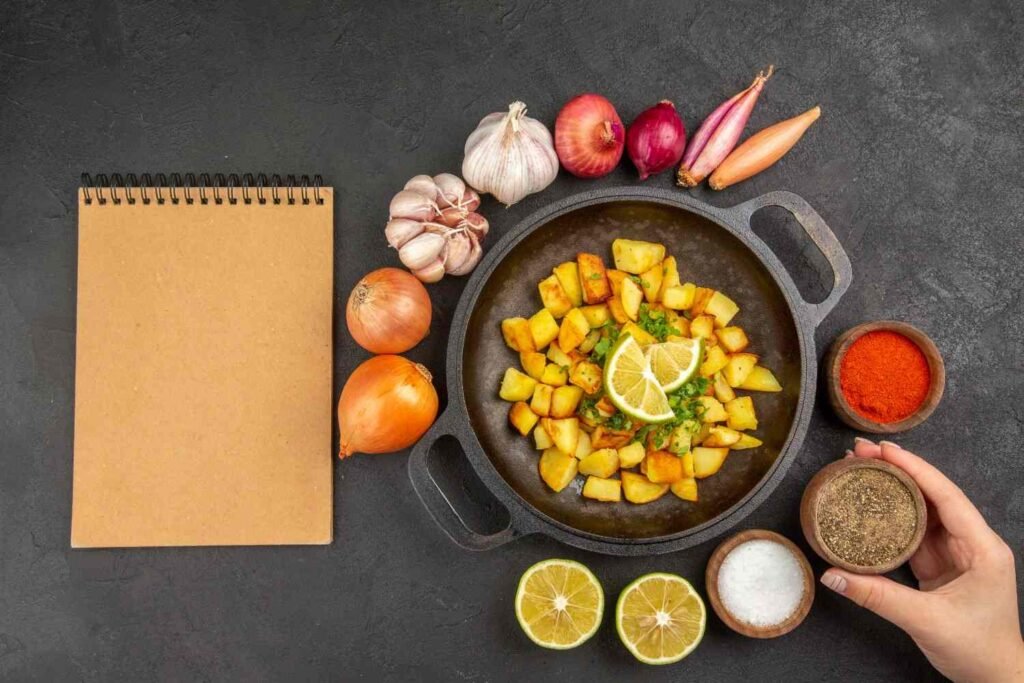
Give your skillet time to heat, then leave room between ingredients. Crowding traps moisture and encourages steaming, while an uncrowded hot pan promotes browning.
Dry Food Before Searing
I pat meat, seafood, and moisture-heavy vegetables dry before they hit a hot skillet. Surface moisture works against browning.
Reverse Sear Thick Steaks
For a thick steak, cook gently in a 250–275°F oven until it approaches your desired internal temperature. Around 125°F before the final sear is a common target for medium-rare. After a short rest, sear in a very hot skillet for roughly two minutes per side, adjusting for thickness and final doneness. Use an instant-read meat thermometer for accuracy.
Cut Vegetables Evenly
Similar-size pieces cook at similar speeds and more evenly.
What Time-Saving Kitchen Hacks Help With Leftovers and Storage?
Reheat Rice With an Ice Cube
Place an ice cube on top of refrigerated rice before microwaving. As the rice heats, the ice creates steam that revives dry grains.
Freeze Liquids Flat
Pour cooled soup, stock, pesto, or sauce into sturdy zip-top freezer bags, remove excess air, and freeze them flat. Once solid, they stack neatly and thaw faster.
How Can I Keep the Kitchen Cleaner While I Cook?
Keep a Garbage Bowl Nearby
I place a large scrap bowl beside my cutting board for peels, stems, wrappers, and trimmings. It cuts trips to the trash and keeps prep organized.
Clean as You Go
Use inactive cooking time to rinse tools, wipe counters, and put ingredients away. This habit prevents a cleanup pileup after dinner.
Clean Wooden Boards With Lemon and Salt
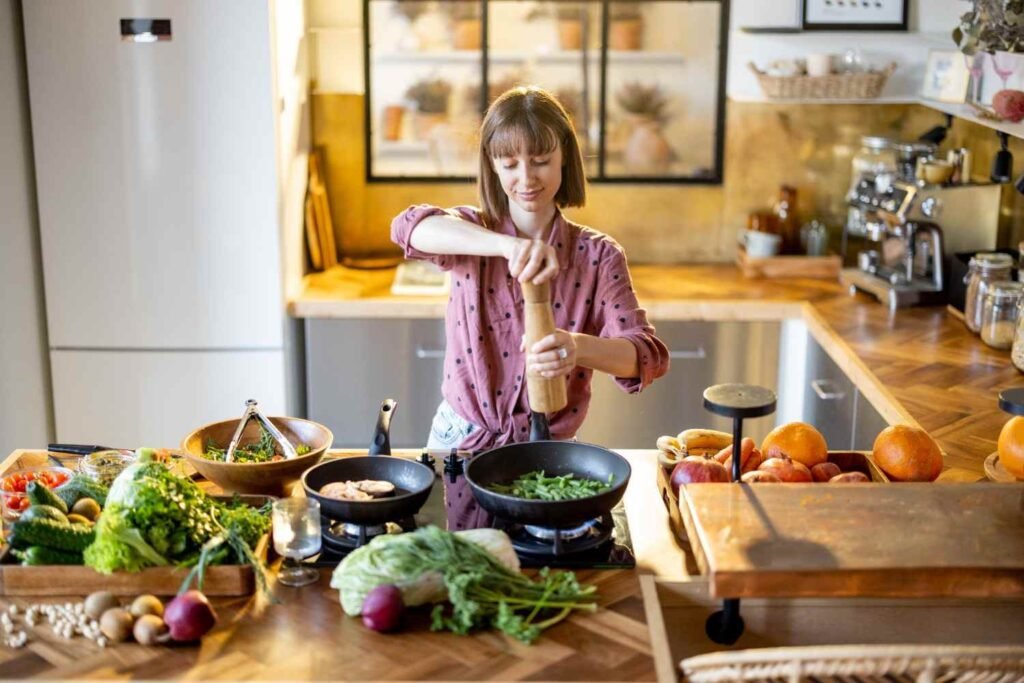
Sprinkle coarse salt over a stained or smelly wooden cutting board and scrub with the cut side of half a lemon. Wipe away the residue, then clean and dry the board properly. Avoid soaking wooden boards in water.
Frequently Asked Questions (FAQs)
1. Which kitchen hacks are most useful at home?
The most useful cooking hacks for home cooks are repeatable techniques such as mise en place, pan preheating, seasoning in layers, saving pasta water, controlling surface moisture, freezing foods efficiently, and cleaning while you cook.
2. How can beginners make food taste better?
Focus on heat control, salt, acidity, browning, and tasting before serving. These basic cooking techniques often matter more than extra ingredients or specialty tools.
3. How can I make weeknight meal prep faster?
Organize ingredients first, keep everyday utensils within reach, prepare multipurpose ingredients, use a scrap bowl, and freeze sauces in meal-size portions. These time-saving kitchen hacks reduce extra steps.
4. What is the easiest way to improve browning?
Dry the ingredient, preheat the pan, avoid overcrowding, and resist constant stirring. Better contact between dry food and a hot cooking surface supports stronger browning and richer flavor.
Make Smart Kitchen Shortcuts Part of Your Routine
I start with the techniques that solve my biggest frustrations, whether that means faster prep, better steak, smoother pasta sauce, fresher leftovers, or less cleanup. Once a shortcut becomes automatic, it stops feeling like a hack and becomes better cooking.
These chef-inspired habits can make everyday meals easier, more consistent, and more enjoyable. They can even help you create restaurant-style pasta at home by improving sauce texture, seasoning, and timing. Instead of chasing complicated viral tricks, I prefer kitchen shortcuts that solve real problems and can become part of the way I cook every day.