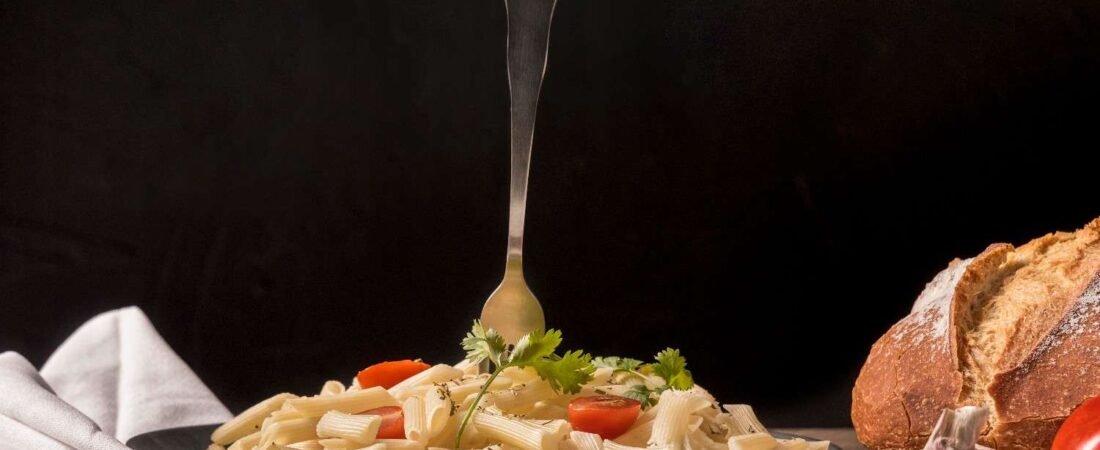
There’s something irresistible about the moment a plate of restaurant-style pasta lands on the table—the glossy sauce, the steam curling upward, the smell of garlic and butter, and that first forkful where every noodle feels perfectly coated. For a long time, I assumed restaurants had some secret ingredient I couldn’t recreate at home. What I eventually discovered was much simpler: the real magic happens in the pan.
Instead of treating pasta and sauce as two separate parts of the meal, I bring them together before either one is finished. The noodles go into the sauce just shy of al dente, along with a splash of starchy pasta water, then everything gets tossed until the sauce turns silky and clings to every bite.
Add cold butter, freshly grated cheese, and a few basil leaves at the end, and an everyday bowl of pasta suddenly feels like something worth ordering twice.
What Makes Restaurant Pasta Taste Better at Home?
Restaurant-quality pasta tastes cohesive because the noodles finish cooking inside the sauce. Starch on the pasta and in the reserved cooking water helps fat and liquid combine into an emulsion instead of separating.
This is one of the most useful cooking techniques for beginners because it instantly improves sauce texture and helps every bite taste more balanced. Bronze-die cut penne has a rougher surface that grabs sauce well, although regular dried penne still works.
What Ingredients Do You Need for Creamy Pink Sauce Pasta?
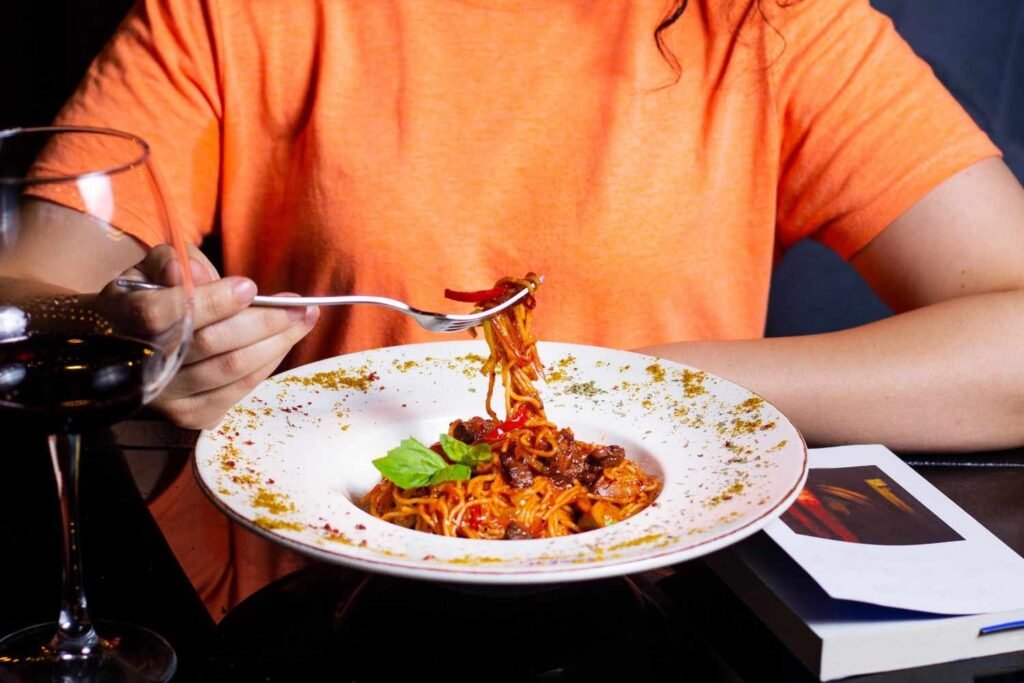
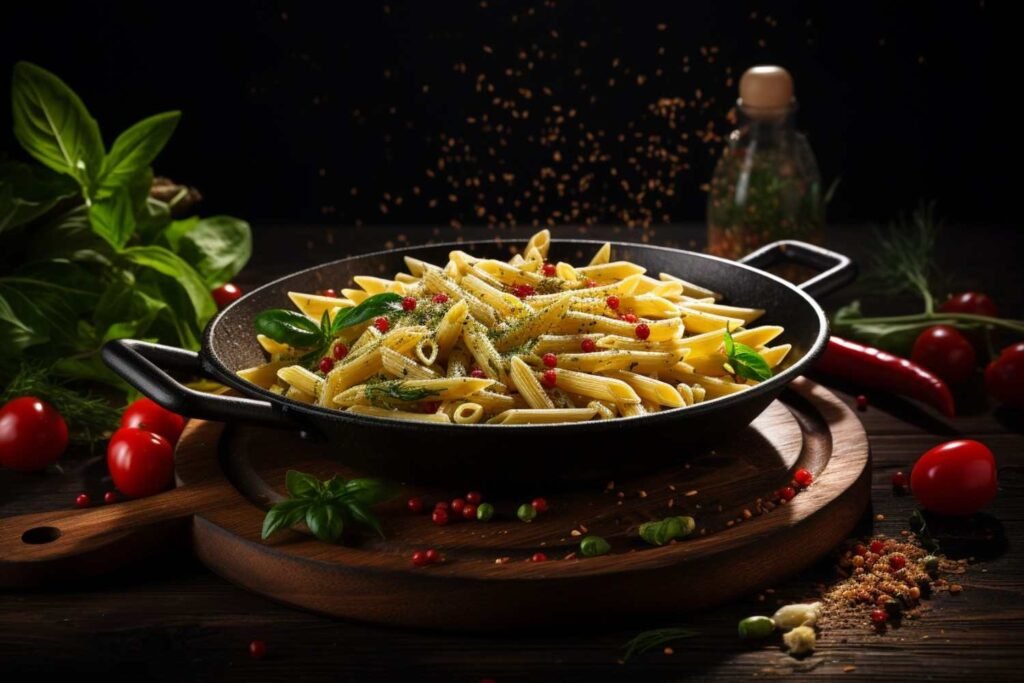
For two to three servings, use 7 ounces (200 g) penne, 1 tablespoon olive oil, 2 tablespoons unsalted butter, 4 to 5 minced garlic cloves, 1 small finely chopped onion, 1 cup tomato passata or pureed canned San Marzano tomatoes, 1/2 cup heavy cream, and 1/2 cup freshly grated Parmesan or Pecorino Romano.
Season with 1 teaspoon red pepper flakes, 1 teaspoon Italian seasoning or dried oregano, 1/2 teaspoon cracked black pepper, salt, and fresh basil. I avoid heavily seasoned jarred sauces because they give me less control over flavor.
How Do You Make Creamy Restaurant-Quality Pasta Step by Step?
How Salty Should Pasta Water Be?
Bring about 4 to 6 quarts
\ of water to a rolling boil. Roughly 1 1/2 to 2 tablespoons of salt can season that amount well, though I adjust for the saltiness of the cheese added later.
Drop in the penne and stir briefly.
How Long Should You Undercook Pasta?
Check the package instructions and remove the penne about two minutes before the listed al dente time. It should still have a firm center because it will continue cooking in the sauce. Do not rinse it; surface starch helps the sauce cling.
How Do You Build a Rich Pink Sauce?
Heat the olive oil and 1 tablespoon of butter in a wide skillet over medium heat. Add the onion and garlic and sauté for 2 to 3 minutes until fragrant without burning the garlic.
Pour in the tomato passata or puree. Add the chili flakes, Italian herbs, black pepper, and a small pinch of salt. Simmer for 6 to 8 minutes, until the raw tomato flavor fades and the sauce deepens in color.
Slowly stir in the heavy cream until the sauce turns smooth and pink.
Why Should You Transfer Pasta Directly Into the Sauce?
Do not drain the pasta and leave it sitting in a colander. I use a spider strainer or slotted spoon to transfer the penne straight from the boiling water into the skillet.
Add 1/4 cup of starchy pasta water and raise the heat to medium. Toss vigorously for 1 to 2 minutes. Add up to another 1/4 cup only if the sauce needs loosening.
This lets the noodles absorb flavor as they finish cooking.
How Do You Emulsify Pasta Sauce for a Silky Finish?
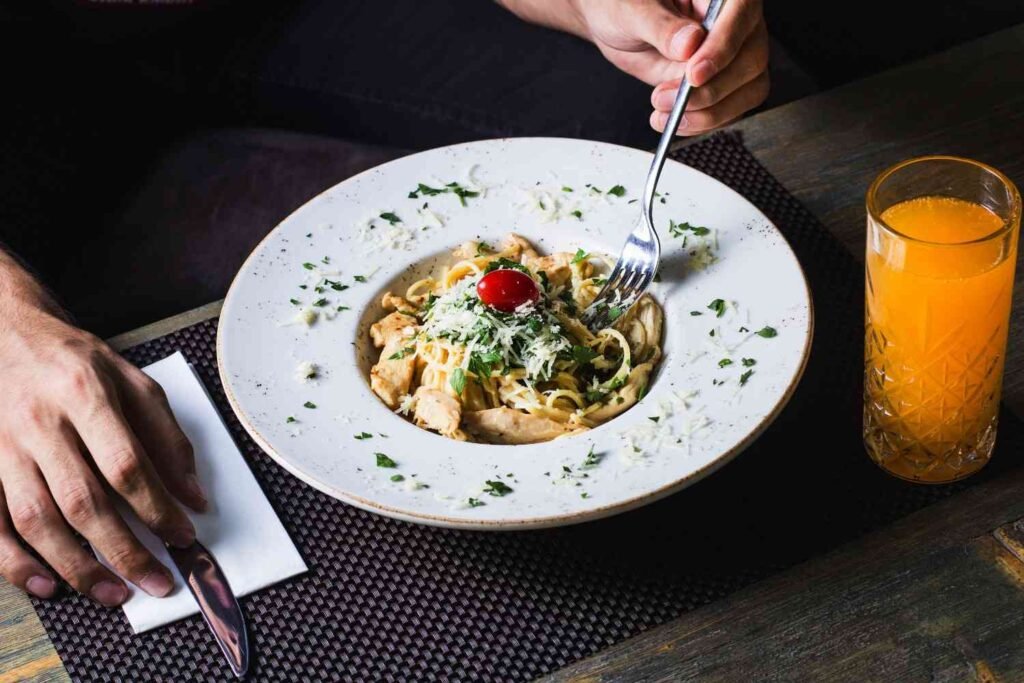
Once the pasta is al dente and evenly coated, turn off the heat. Add the remaining tablespoon of cold butter and the freshly grated Parmesan or Pecorino.
Toss until the butter melts and the cheese blends into the sauce. The starch helps the water and fat fuse into a glossy coating rather than an oily or watery sauce. Tear fresh basil over the top and serve immediately in warmed bowls.
What Chef Tricks Make Homemade Pasta Taste Restaurant-Quality?
Freshly grated cheese melts more smoothly than many pre-shredded options. I keep the heat low or off when adding cheese because excessive heat can make the sauce grainy.
Pasta should be coated rather than drowned. If the sauce gets too thick, add pasta water one tablespoon at a time.
What Mistakes Can Ruin Creamy Pasta?
Overcooking the noodles before they enter the skillet is the biggest mistake. Burning the garlic, adding too much pasta water, overheating the cheese, or letting finished pasta sit too long can also hurt the texture.
Serve as soon as the sauce looks glossy.
How Can You Customize Pink Sauce Pasta?
Grilled chicken, shrimp, Italian sausage, or sliced steak can add protein. Mushrooms, spinach, zucchini, roasted red peppers, or broccoli work well for vegetables.
For more tomato flavor, reduce the cream; for a sharper finish, choose Pecorino Romano. Use fewer red pepper flakes for a milder version.
How Do You Store and Reheat Leftover Pasta?
Store leftovers in an airtight container in the refrigerator for three to four days. Reheat gently in a skillet with a splash of water, milk, broth, or cream. Low heat helps loosen the sauce without breaking it or making the noodles too soft.
Frequently Asked Questions (FAQs)
1. What Is the Secret to Restaurant-Style Pasta?
The main secret is finishing slightly undercooked noodles directly in the sauce and emulsifying them with starchy pasta water, cold butter, and freshly grated cheese. That creates the smooth, glossy coating associated with professional pasta dishes.
2. Should You Add Olive Oil to Pasta Water?
I generally do not. Olive oil can coat the pasta and make it harder for sauce to cling. Stirring the noodles early in cooking is usually enough to prevent sticking.
3. How Much Pasta Water Should You Add to Sauce?
Start with about 1/4 cup. Add more by the tablespoon only when the sauce needs loosening. The exact amount depends on the pan, pasta shape, and sauce thickness.
Final Takeaway
For me, chef-quality pasta comes from timing: undercook the noodles, build the tomato sauce carefully, transfer the pasta directly into the skillet, emulsify with starchy water, and finish with cold butter and cheese off the heat.
Once you master that sequence, you can use it for pink sauce, vodka-style pasta, creamy garlic pasta, tomato sauces, and other restaurant-quality dishes.