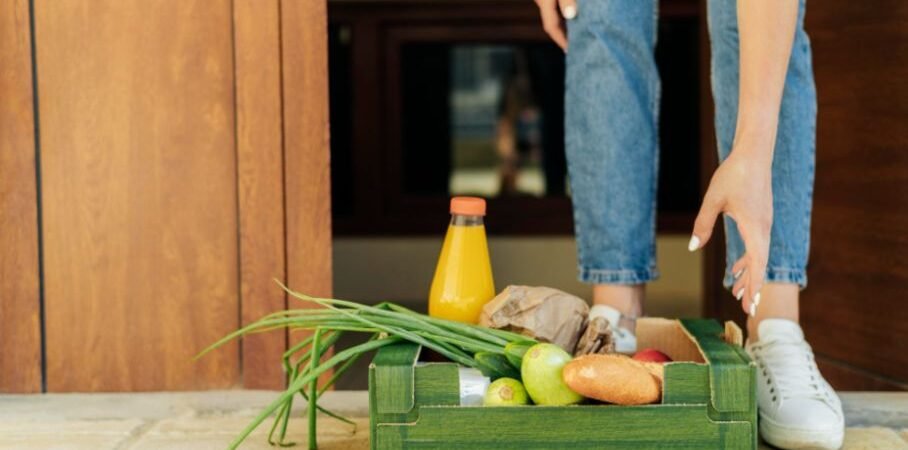
A grocery cart full of fresh food can quickly turn into wilted greens, forgotten leftovers, and wasted money when everything gets stored the same way. I’ve found that the real difference between food that lasts and food that spoils early often happens after I unpack the groceries. The right shelf, temperature, container, and storage location can add valuable time to many everyday ingredients.
That is why I rely on practical food storage tips instead of guessing where something belongs. By keeping cold foods at safe temperatures, separating raw ingredients, managing produce correctly, and rotating pantry staples, I can protect food quality while reducing waste and making weekly meals easier to manage.
What Is the Best Way to Store Food Safely at Home?
Safe food storage starts with temperature. I keep my refrigerator at 40°F or below and my freezer at 0°F. These temperatures help slow bacterial growth and protect the quality of refrigerated and frozen foods.
I also use a refrigerator thermometer rather than relying entirely on the appliance display. Refrigerator temperatures can fluctuate when the door opens frequently, when the shelves are overcrowded, or when the unit is not cooling efficiently.
Perishable foods such as meat, poultry, seafood, dairy products, cooked dishes, and leftovers should return to refrigeration promptly. I avoid leaving them sitting on the counter longer than necessary.
Good food storage safety is not only about preventing obvious spoilage. Some harmful bacteria can grow without changing the smell, color, or appearance of food, so I also pay attention to safe storage times.
How Should I Organize My Refrigerator to Keep Food Fresh?
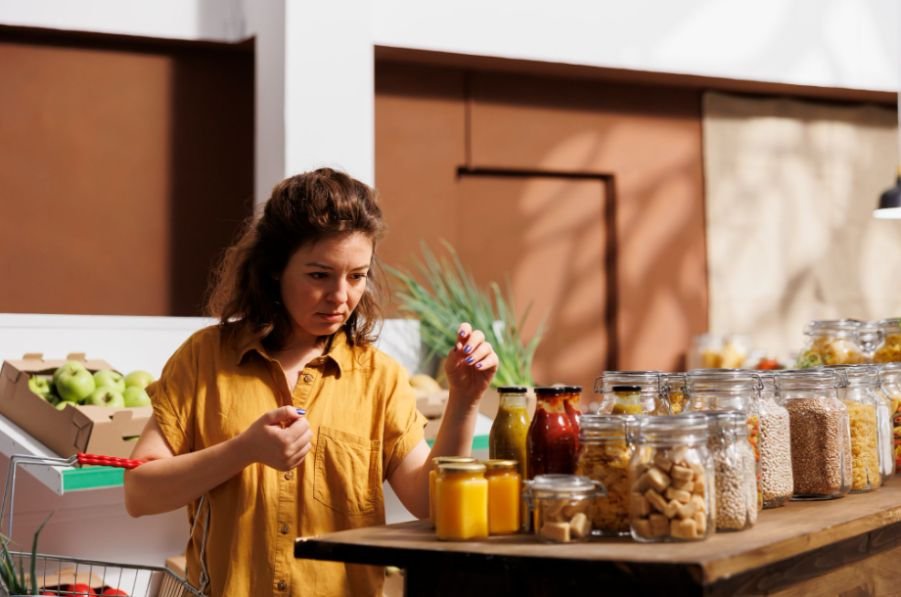
Proper refrigerator organization helps improve both food safety and freshness. I organize food based on temperature stability and cross-contamination risk rather than simply placing items wherever they fit.
I keep ready-to-eat foods, cooked meals, yogurt, cheese, and similar items on the upper and middle shelves. Raw meat, poultry, and seafood stay on the bottom shelf in sealed packaging or a container that can catch leaks.
This arrangement helps prevent raw juices from dripping onto foods that will not be cooked again.
I also avoid overfilling the refrigerator. Cold air needs room to circulate food. When shelves are packed too tightly, some areas may stay warmer than others.
Where Should I Store Milk in the Refrigerator?
I keep milk on an interior refrigerator shelf rather than in the door. The door experiences frequent temperature changes because it is exposed to warm air whenever the refrigerator opens.
Condiments, sauces, and other foods that tolerate small temperature changes usually work better in refrigerator-door storage.
This is a small change, but it can help keep milk and other highly perishable dairy products consistently cold.
How Do I Store Fruits and Vegetables So They Last Longer?
Fresh produce requires more attention because different fruits and vegetables react differently to moisture and ripening gases.
I use crisper drawers whenever possible. Leafy greens and vegetables that wilt quickly often benefit from higher humidity, while many fruits perform better with more airflow.
I also watch for ethylene-producing produce. Apples, bananas, pears, avocados, peaches, and tomatoes can release ethylene gas as they ripen. Sensitive vegetables stored nearby may deteriorate more quickly.
Another useful produce storage habit is waiting to wash certain fruits and vegetables until I am ready to use them. Excess moisture can encourage mold and deterioration, particularly with berries.
When produce becomes ripe, refrigeration can sometimes slow further ripening. I often allow avocados, mangoes, peaches, and similar fruits to ripen on the counter before moving them into the refrigerator.
How Should I Store Potatoes and Onions?
Potatoes and onions both prefer cool, dry, dark, and well-ventilated storage, but I do not store them together.
Keeping potatoes and onions close together can accelerate deterioration and sprouting. Instead, I place them in separate areas of the pantry or another suitable storage space.
I also avoid sealing potatoes in airtight plastic bags. Ventilation helps prevent moisture buildup and premature spoilage.
What Are the Best Freezer Storage Tips?
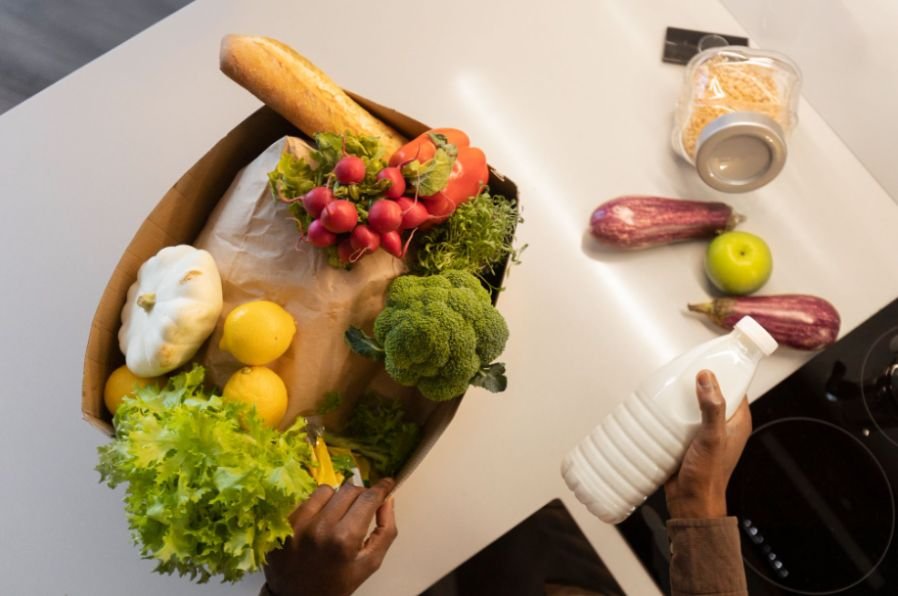
Freezing is one of the easiest ways I extend the usable life of food. Cooking techniques for beginners can help me prepare ingredients properly before freezing, from cooking foods to the right level of doneness to handling portions efficiently. I keep my freezer at 0°F and package foods carefully before freezing.
Freezer-safe containers, heavy-duty freezer bags, or tightly wrapped packaging help minimize exposure to air.
Removing excess air is especially important because it helps reduce freezer burn. Freezer burn does not necessarily make food unsafe, but it can damage flavor, color, moisture, and texture.
I also freeze meals in practical portions. Smaller portions freeze faster and allow me to thaw only what I need instead of repeatedly thawing and refreezing a large container.
Every frozen package gets a label with the food name and date. Without labels, it is surprisingly easy to forget how long something has been in the freezer.
How Long Do Leftovers Last in the Refrigerator?
When I store cooked leftovers, I generally plan to eat them within three to four days.
I transfer leftovers into covered containers and refrigerate them promptly. Shallow containers can help larger amounts of food cool more efficiently than leaving everything in one deep container.
If I do not expect to eat a dish within a few days, I freeze it sooner rather than waiting until it approaches the end of its refrigerator storage window.
Labeling leftovers also helps. Instead of trying to remember whether I cooked something on Monday or Wednesday, I write the date directly on the container.
When reheating, I make sure the food heats thoroughly, especially casseroles, meat dishes, soups, and other dense foods.
How Should I Store Dry Foods in the Pantry?
Pantry food storage works best when I control heat, humidity, light, and pests. Essential kitchen tools can make pantry organization and food storage easier by providing practical equipment for storing, measuring, preparing, and organizing everyday ingredients.
I keep flour, pasta, rice, grains, beans, cereal, baking ingredients, and similar foods in a cool, dry space away from the stove, dishwasher, or other heat and moisture sources.
Once packages are opened, I often transfer dry goods into sealed food storage containers. Glass, durable plastic, and other food-safe airtight containers can help protect ingredients from moisture, pests, odors, and spills.
I also practice first in, first out, often called FIFO. New groceries go behind older products so that older food gets used first.
This simple system helps prevent forgotten packages from expiring at the back of the pantry.
What Food Storage Mistakes Should I Avoid?
One of the biggest food storage mistakes is assuming every ingredient can be treated the same way.
Some foods need refrigeration, others benefit from room-temperature ripening, and certain produce should be separated because of ethylene exposure.
Another common mistake is leaving raw meat above ready-to-eat foods. Even securely wrapped meat can occasionally leak, which is why I keep it on the lowest shelf.
Overcrowding the refrigerator, leaving opened packages poorly sealed, forgetting to label leftovers, and storing highly perishable foods in the refrigerator door can also shorten food quality.
I also avoid depending completely on smell. If a food has been stored under unsafe conditions or kept too long, I do not assume it is safe simply because it smells normal.
How Can I Reduce Food Waste With Better Storage?
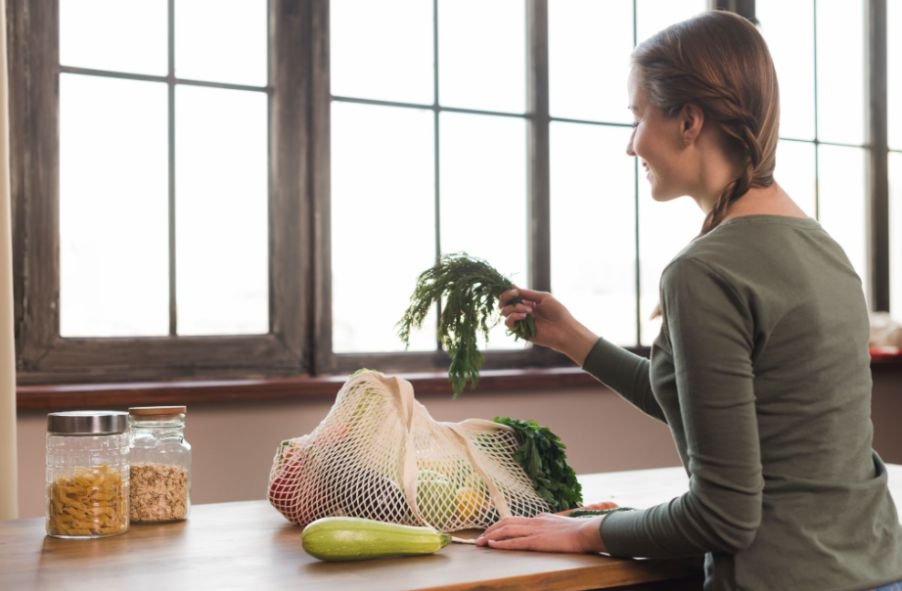
One of the easiest ways I reduce food waste is by creating an “eat first” section in my refrigerator.
I place leftovers, opened products, ripe produce, and ingredients that need to be used soon in one visible area. Before I start cooking, I check that section first.
I also plan meals according to how quickly foods deteriorate. Berries, leafy greens, seafood, and ripe produce get priority early in the week, while frozen foods, dry pasta, rice, and pantry staples can wait longer.
Knowing how to keep food fresh longer helps me get more value from every grocery trip without buying special products or complicated storage systems.
Frequently Asked Questions
1. What are the best food storage tips for beginners?
I recommend starting with the basics: keep the refrigerator at 40°F or below, keep the freezer at 0°F, store raw meat on the lowest refrigerator shelf, use airtight containers, label leftovers, and rotate older pantry foods forward.
2. Should fruits and vegetables be stored together?
Not always. Some fruits release ethylene gas that can speed up deterioration in sensitive vegetables. I use separate crisper drawers when practical and pay attention to the storage needs of individual produce.
3. How long can cooked food stay in the refrigerator?
Most cooked leftovers should generally be eaten within three to four days when refrigerated properly. If I will not use them within that period, I freeze them sooner.
4. Is it better to store food in glass or plastic containers?
Both can work well if they are food-safe and designed for the intended use. I often choose clear containers because they make food easy to see, and I check whether each container is suitable for refrigeration, freezing, reheating, or dishwasher use before using it.
What Are the Most Important Food Storage Tips to Remember?
The most useful food storage tips are the habits I can maintain every day. I keep the refrigerator at 40°F or colder, store raw meat on the lowest shelf, keep milk on an interior shelf, separate incompatible produce, package frozen foods tightly, and label leftovers.
I also rotate pantry foods so older products get used first and freeze food when I know I will not eat it soon.
Food storage works best when the system is simple enough to follow consistently. I do not need a picture-perfect refrigerator or matching containers. I need safe temperatures, good visibility, proper separation, and a clear idea of what needs to be eaten first.