
A chicken dinner can go from quick to dry in only a few extra minutes. The most reliable easy chicken recipes solve that problem by shortening cooking time, using forgiving sauces, and reducing cleanup. The USDA safe minimum internal temperature chart says poultry should reach 165°F at the thickest part, measured with a food thermometer.
That temperature matters more than color. USDA guidance notes that safely cooked poultry can still appear pink, so a thermometer is the better test. Once that habit is automatic, weeknight chicken becomes easier to cook with confidence.
The 3-Part Formula for Faster Chicken Dinners
Most fast chicken meals follow the same structure: make the chicken cook evenly, build flavor with a short ingredient list, and pair it with a side that cooks in the same window.
These simple principles make it easier to plan family dinner ideas that are quick, satisfying, and practical for busy evenings
Boneless breasts or thighs are usually fastest. Cut breasts into cubes or thin cutlets so the center heats quickly. Thighs take slightly longer but are more forgiving and tend to stay juicy.
Next, mix the sauce before the chicken starts cooking. Honey-soy-garlic, lemon-butter, taco seasoning with lime, or cream and Parmesan can transform plain chicken without a long marinade.
| Dinner idea | Best chicken cut | Approx. active time | Why it works |
| Honey garlic skillet | Cubed breast | 15 minutes | Small pieces cook and glaze quickly |
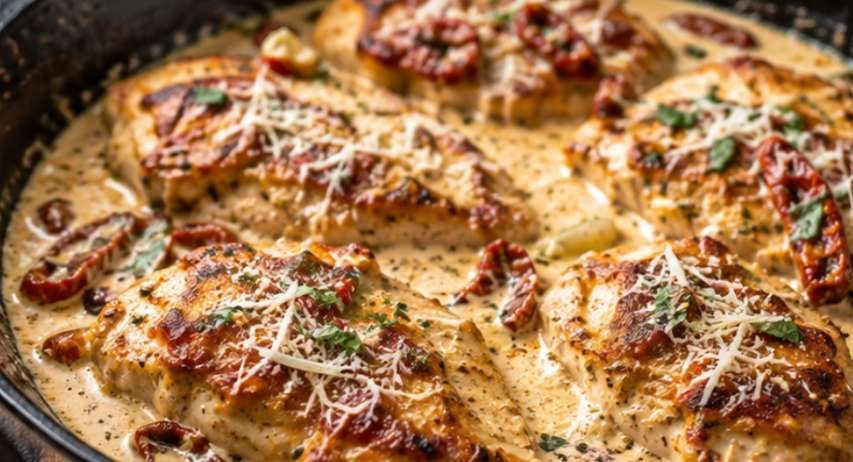
| Creamy sun-dried tomato chicken | Thin breasts | 25–30 minutes | Sauce helps keep lean chicken moist |
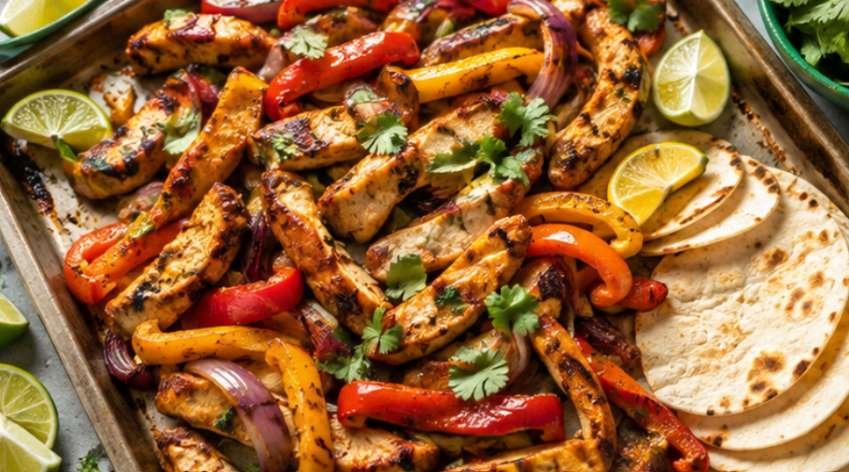
| Sheet-pan taco chicken | Breast strips or thighs | 10 minutes | The oven does most of the work |
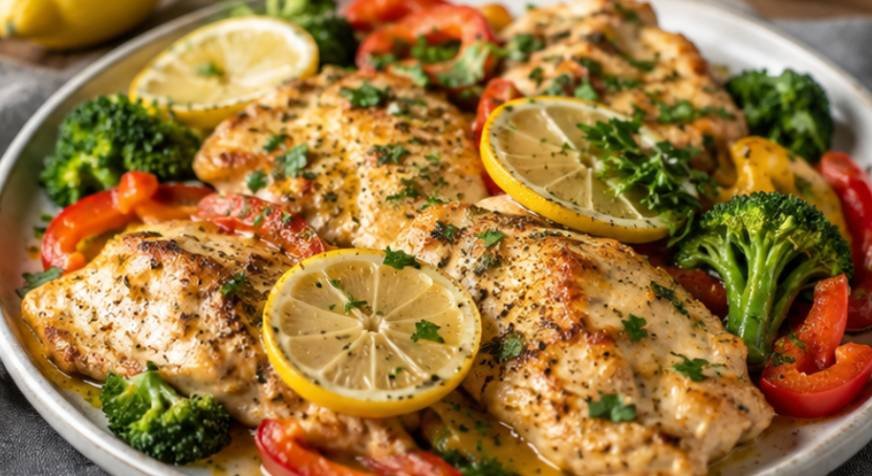
| Lemon garlic chicken | Thin cutlets | 20 minutes | Fast sear plus a simple pan sauce |
| Chicken vegetable stir-fry | Cubed breast or thigh | 20 minutes | High heat cooks everything rapidly |
5 Easy Chicken Recipes Worth Memorizing
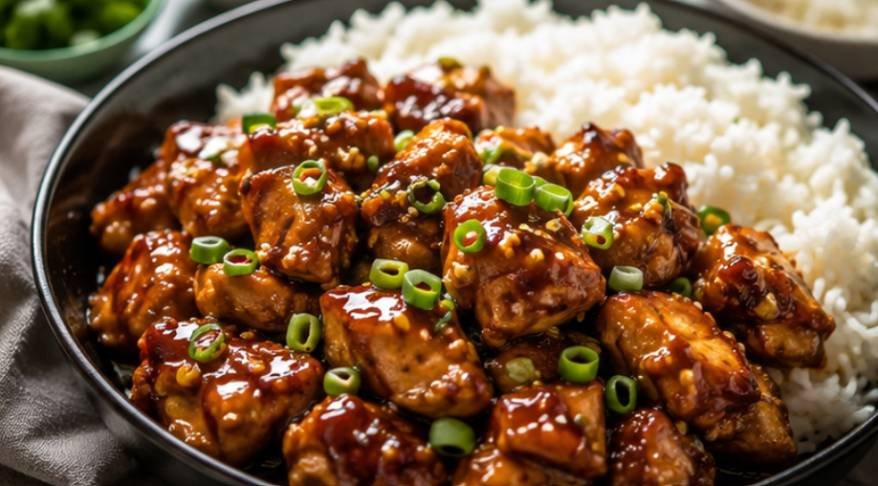
1. 15-Minute Honey Garlic Chicken
Cut 1 pound of boneless chicken breast into bite-size pieces, season, and brown in a little oil. Mix 3 tablespoons honey, 3 tablespoons reduced-sodium soy sauce, minced garlic, and a splash of water.
Pour in the sauce after the chicken browns and simmer until glossy and the meat reaches 165°F. Serve over rice with broccoli. Adding the honey late helps prevent the sugars from scorching.
2. Creamy Sun-Dried Tomato Chicken
Use thin chicken breasts and sear them until golden. Remove them briefly, then cook minced garlic for about 30 seconds.
Add chicken broth, a small amount of heavy cream, chopped sun-dried tomatoes, oregano, and Parmesan. Return the chicken and simmer gently until it reaches 165°F. Pair it with spinach, green beans, or salad to balance the rich sauce.
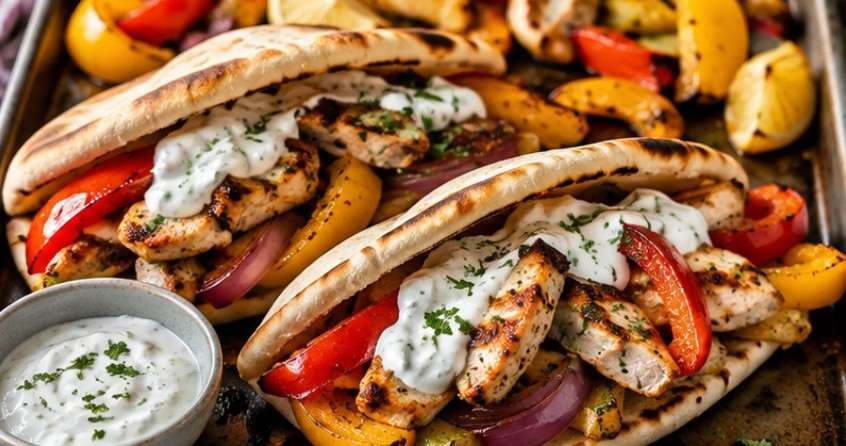
3. Sheet-Pan Taco Chicken and Peppers
Spread chicken strips, sliced bell peppers, and red onion on a sheet pan. Toss with olive oil and taco seasoning, keeping everything in one layer.
Roast at 400°F until the vegetables soften and the chicken is fully cooked. Serve with tortillas, lime, salsa, and Greek yogurt or sour cream. It is especially practical for families because everyone can build a different plate from the same tray.
4. Lemon Garlic Chicken Cutlets
Season thin chicken cutlets with salt, pepper, and garlic powder, then sear in olive oil. Remove the chicken and deglaze the pan with minced garlic, lemon juice, and a little chicken broth to lift the flavorful browned bits from the bottom
Swirl in a small amount of butter, return the chicken, and spoon the sauce over the top. Add capers for a sharper, piccata-style version or leave them out for a milder dinner.
5. Chicken and Vegetable Stir-Fry
Cook cubed chicken breast or thigh first, then remove it before stir-frying bell pepper, snap peas, mushrooms, or broccoli. This keeps the pan hot instead of overcrowded.
Finish with soy sauce, rice vinegar, garlic, ginger, and a little honey. Return the chicken and toss until everything is hot and coated.
The Weeknight Chicken Checklist
Before cooking, ask five questions: Are the pieces similar in thickness? Is the pan hot? Is the sauce mixed? Is there enough room for browning? Is a thermometer nearby?
That checklist prevents common failures. Crowded chicken steams instead of browning, uneven pieces finish at different times, and sweet sauces can burn when added too early.
The CDC’s chicken food-safety guidance also says raw chicken does not need to be washed. Splashing can spread germs to sinks, counters, utensils, and nearby foods, so keep raw poultry and its juices away from ready-to-eat ingredients.
Meal Prep Without Sacrificing Safety
Cooked chicken is useful for lunches and second-night dinners, but cooling and storage matter. According to FDA, refrigerator and food-storage guidance, refrigerators should stay at 40°F or below. FDA also advises against leaving perishable foods at room temperature for more than two hours, or one hour when temperatures exceed 90°F.
For meal prep, cool chicken promptly in shallow containers. Store creamy sauces separately when practical if you want a better texture after reheating.
For a balanced plate, add vegetables and a whole-grain side. USDA MyPlate protein guidance recommends varying protein foods and choosing lean or low-fat meat and poultry options. Meanwhile, the Harvard Healthy Eating Plate includes poultry among healthy protein choices alongside fish, beans, and nuts.
What “Easy” Does Not Mean
Fast cooking should not mean blasting thick chicken breasts over high heat until the outside burns. If pieces are large, lower the heat after browning or finish them gently in the oven.
Bottled sauces can save time, but some contain substantial sodium or added sugar. Taste before adding extra salt, and use herbs, citrus, vinegar, garlic, or vegetables to create more flavor.
Frozen chicken is another exception. Do not assume a standard recipe’s cooking time applies to a frozen piece unless the instructions are specifically designed for cooking from frozen.
Frequently Asked Questions
1. What is the easiest chicken recipe for beginners?
A skillet of cubed chicken with a honey-soy-garlic glaze is a strong starting point. Small pieces cook quickly, the ingredients are familiar, and only one pan is needed.
2. How do I keep chicken breast from drying out?
Use evenly sized pieces and check doneness with a thermometer. Stop cooking once the thickest part reaches 165°F rather than extending cooking time unnecessarily.
3. Can I meal-prep chicken for several days?
Yes. Cool it promptly, refrigerate it safely, and follow recommended leftover-storage guidance. Reheat only the portion you need to help preserve texture.
4. Are chicken thighs easier to cook than breasts?
Often, yes. Thighs contain more fat and tolerate longer cooking without drying as quickly, making them useful for sheet-pan dinners, stir-fries, and saucy skillets.
A Better Way to Think About Chicken Dinner
The best easy chicken recipes are not always those with the fewest ingredients. They are the ones that remove uncertainty. Cut the chicken evenly, choose a method suited to the cut, mix the sauce before cooking, and use 165°F—not color—as the finish line.
Once those habits are in place, honey garlic chicken, creamy skillet chicken, taco sheet pans, lemon cutlets, and stir-fries become variations of the same reliable system. That is what makes chicken so useful on busy nights: one technique can unlock dozens of dinners without adding more stress to the evening.