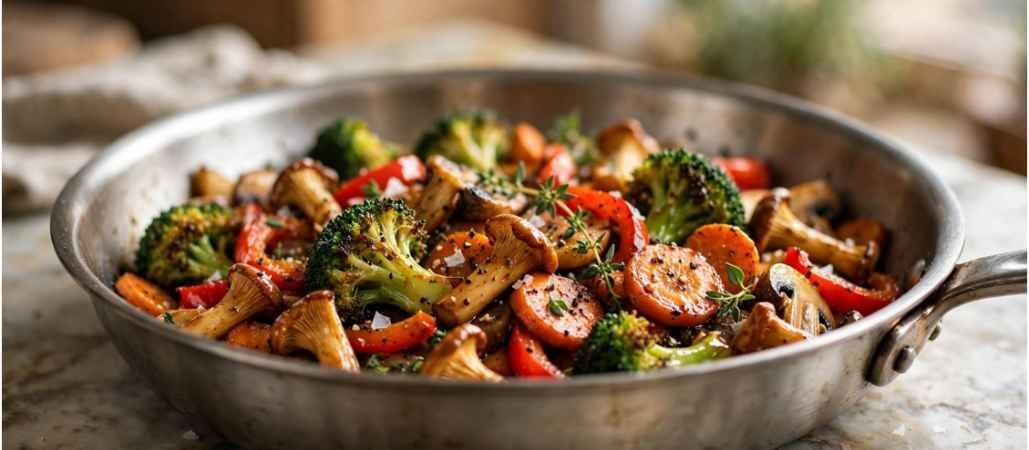
Soggy, waterlogged vegetables happen when liquid boils out of the cell walls and steams in the pan. Learning how to sauté vegetables with crisp-tender bite and deep caramelization requires managing two physical forces: high thermal conduction and rapid surface evaporation.
Years behind a commercial line taught me that dumping mixed raw vegetables into a skillet all at once leaves you with mushy peppers and hard carrots. Mastering the skillet delivers high-heat browning in under ten minutes, a faster stovetop alternative when you do not want to roast vegetables in the oven. Follow these chronological steps to lock in color, snap, and savory flavor.
Step 1: Prep and Dry Your Produce Thoroughly
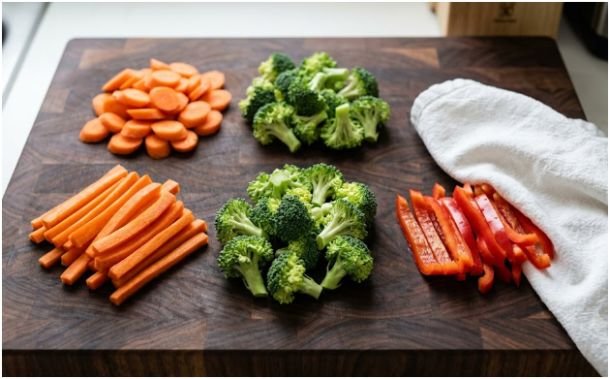
Wash your vegetables early and dry every cut edge completely. Water is the primary enemy of heat transfer. According to moisture analysis from the USDA FoodData Central, common produce like zucchini and bell peppers contains over 90% water by weight.
Any extra moisture left on the outside forces the skillet temperature to stall at the boiling point of water instead of climbing high enough to brown.
Run your greens through a salad spinner and pat down sliced squash, mushrooms, and broccoli with kitchen towels.
The Uniform Slice Rule
Slice dense vegetables into uniform, half-inch pieces. Even cuts ensure every edge contacts the hot metal at the exact same depth. Keep soft ingredients like zucchini slightly thicker than fibrous carrots so everything finishes cooking simultaneously.
Step 2: Select the Right Pan and High-Smoke Fat
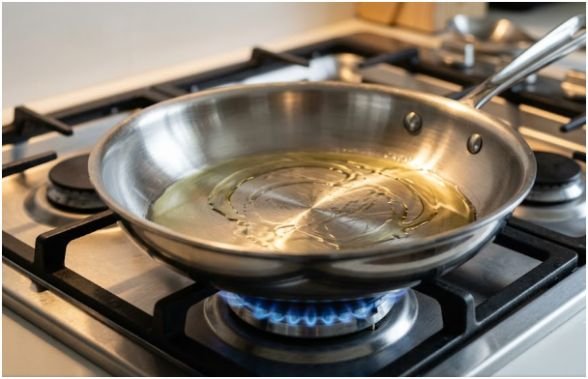
Grab a wide, 10-inch to 12-inch stainless steel skillet or well-seasoned cast iron pan. Wide, flared walls allow steam to escape immediately into the air rather than condensing and falling back into the fat.
Place the empty skillet over medium-high heat for two minutes. Pour in one to two tablespoons of high-smoke-point oil, such as avocado oil or refined olive oil. The Harvard T.H. Chan School of Public Health notes that heat-stable oils maintain structural integrity under high culinary temperatures. Swirl the fat across the base until it shimmers and spreads like water. Avoid whole butter here; its delicate milk solids scorch instantly at high sauté temperatures.
Step 3: Stagger the Vegetables by Density
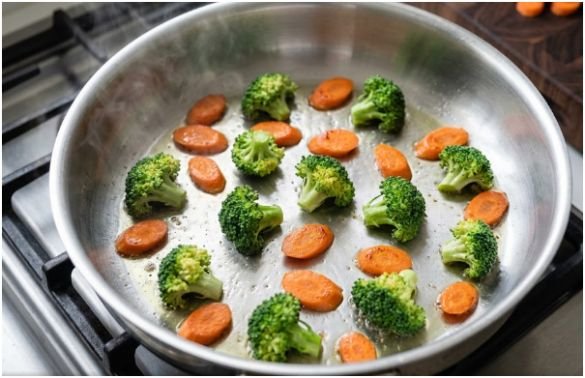
Add your ingredients in timed waves based on structural cellular density. Learning to pace the pan is the quickest way to understand how to cook better across any hot-surface recipe.
Hard Vegetables First, Soft Vegetables Second
Drop in your firmest vegetables first. Carrots, cauliflower, sliced Brussels sprouts, and broccoli florets need four to five minutes of steady contact to soften their cellulose walls. Spread them out so they occupy no more than 65% of the pan’s surface area. Crowding the skillet traps trapped moisture, which causes the vegetables to stew in their own juices.
Toss in softer ingredients—bell peppers, sliced onions, mushrooms, and summer squash—once the hard vegetables show light golden marks. Cook this combined mix for another three to four minutes. The moisture released by the onions naturally deglazes the pan, lifting the flavorful brown fond from the bottom as documented by Serious Eats.
Step 4: Sear Without Shaking Constantly
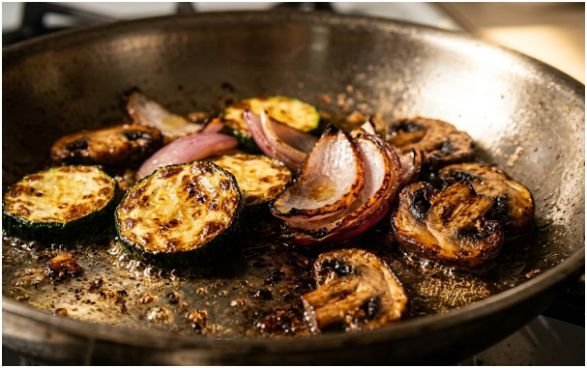
The French word sauter means “to jump,” which tempts cooks to shake the pan continuously. Constant movement cools down the pan’s surface and keeps the vegetables from getting color.
Let the vegetables sit undisturbed against the hot surface for 60 to 90 seconds between stirs. This uninterrupted contact triggers the Maillard reaction, developing blistered, sweet, savory edges while maintaining internal snap. Toss the ingredients just enough to rotate the contact surfaces, then let them rest again.
Step 5: Season and Emulsify at the Very End
Hold your salt until the final 90 seconds of cooking. Salt draws out water through osmosis; salting early causes moisture to pool in the bottom of the pan.
Add your kosher salt, cracked black pepper, and minced garlic during the final minute of cooking. Garlic browns in under 45 seconds, so adding it late preserves its fragrance without burning it. Pull the pan off the burner while the vegetables still have a crisp core. Swirl in a teaspoon of cold butter or a squeeze of fresh lemon juice off the heat to create a glossy, flavorful glaze.
Frequently Asked Questions
1. Can I sauté frozen vegetables without making them mushy?
Thaw them fully, press out all surface water with paper towels, and cook them across a screaming-hot skillet in small batches.
2. Why do my sautéed mushrooms turn rubbery?
Mushrooms release large amounts of water, so sear them undisturbed over high heat without salt until all liquid cooks off.
3. Should I cover the skillet with a lid while sautéing?
Never cover the pan, because trapped lid condensation drips back down and turns your sauté into a steam bath.
4. What is the best fat combination for sautéed vegetables?
Cook the vegetables in avocado oil for high-heat browning, then swirl in cold dairy butter off the burner for flavor.
Ditch the Mush and Own the Skillet
Crisp, caramelized vegetables come down to proper surface area and heat control, not guesswork. Get your skillet hot, space out your cuts, stagger hard roots before soft greens, and leave the pan alone long enough to build a real sear. Pull the skillet off the burner while there is still bite in the center, squeeze fresh lemon over the top, and serve them immediately.