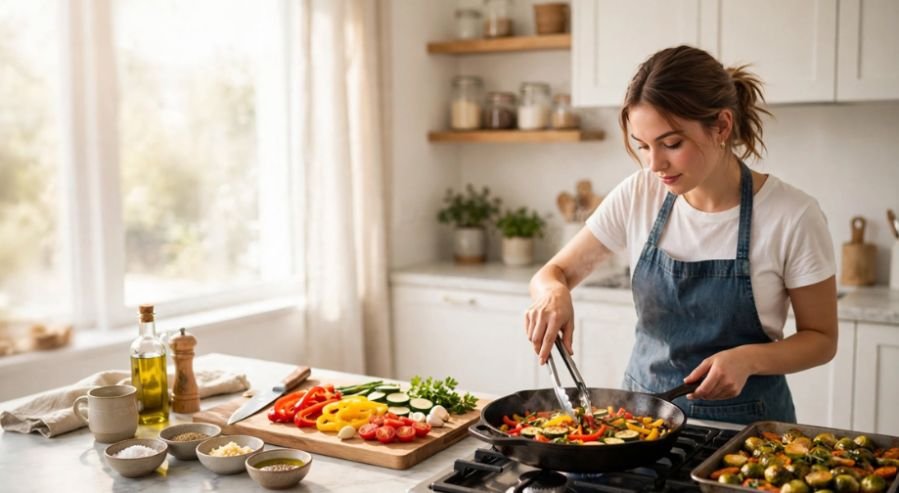

Every home cook eventually faces the same frustration: you followed a recipe to the letter, yet the final bite tastes one-dimensional, flat, and hollow. The culprit is rarely a lack of salt at the dinner table.
Understanding how to build flavor in cooking requires you to view taste as a sequence of chemical reactions layered across time, not a last-second sprinkle from a spice jar.
When you extract fat-soluble compounds early, brown proteins deliberately, and balance heavy fats with bright acidity, ordinary ingredients transform into restaurant-caliber meals.
I spent years burning garlic, steaming meats in overcrowded pans, and producing dull tomato sauces before I mastered this exact mechanical process.
Lay the Foundation with Fat-Soluble Aromatics
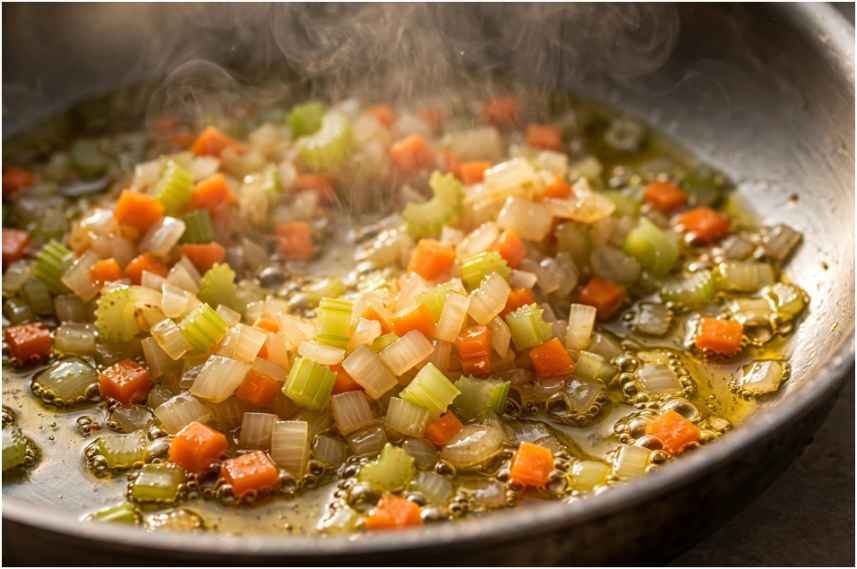
Great dishes do not begin with simmering liquid. They start with heat, fat, and a curated assortment of alliums and root vegetables. Fats act as physical flavor conductors because many volatile aroma compounds will dissolve only in lipids, not water.
Regional Bases and Fat Selection
When you heat olive oil, butter, or animal fat over medium-low heat, you create an extraction solvent. Adding diced vegetables sweats out moisture and concentrates natural sugars. Classical traditions recognize this foundational step as the core identity of regional food:
- French Mirepoix: Two parts onions, one part carrots, and one part celery, gently sweated in unsalted butter.
- Italian Soffritto: The same aromatic trio, finely minced and slowly browned in extra virgin olive oil.
- Spanish Sofrito: Onions, garlic, and sweet bell peppers gently dissolved with grated tomatoes in generous olive oil.
- The Cajun Holy Trinity: Equal parts onions, celery, and green bell peppers cooked down in oil or lard.
Classical training via resources like MasterClass Culinary Arts emphasizes cutting your aromatic vegetables into uniform sizes. Uniformity ensures even contact with the bottom of your Dutch oven, preventing bitter burned bits while coaxing out sweet, savory notes.
Infusing Heat-Resistant Woody Herbs
Toss sturdy herbs directly into the warm fat alongside your aromatics. Thyme, rosemary, sage, oregano, and dried bay leaves contain terpene-rich oils that require sustained heat to release their aromatics. Simmering them early infuses the cooking oil, distributing subtle herbal notes throughout the entire pan before liquids enter the equation.
Engineer the Maillard Reaction for Rich Savory Depth
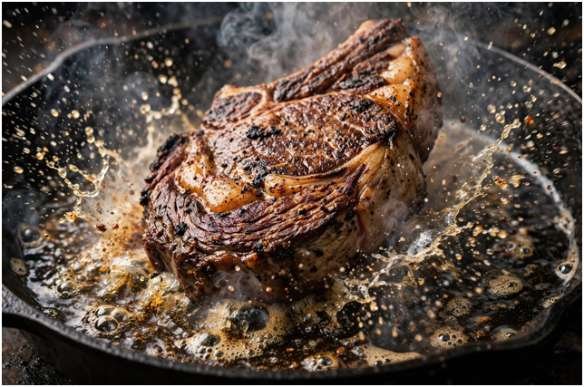
Browning equals flavor. When amino acids and reducing sugars encounter dry heat above 285°F (140°C), they rearrange into hundreds of new, complex flavor molecules. This chemical transformation is known as the Maillard reaction.
Moisture Removal –> Direct Heat (285°F+) –> Amino Acid/Sugar Bond –> Savory Depth (Fond)
Surface Moisture Control and Pan Crowding
Water boils at 212°F (100°C), meaning a wet surface cannot brown; it simply steams. Before placing poultry, beef, or dense mushrooms into a hot skillet, blot them dry with paper towels.
Give your food breathing room. Overcrowding drops pan temperature dramatically and traps steam. If you want to master how to sear steak with a deep mahogany crust, cook your proteins in batches with at least an inch of space between each piece. Refer to the USDA Food Safety and Inspection Service guidelines for internal temperature targets so you can sear aggressively over high heat without overcooking the center.
Unlocking the Fond with Acidic Deglazing
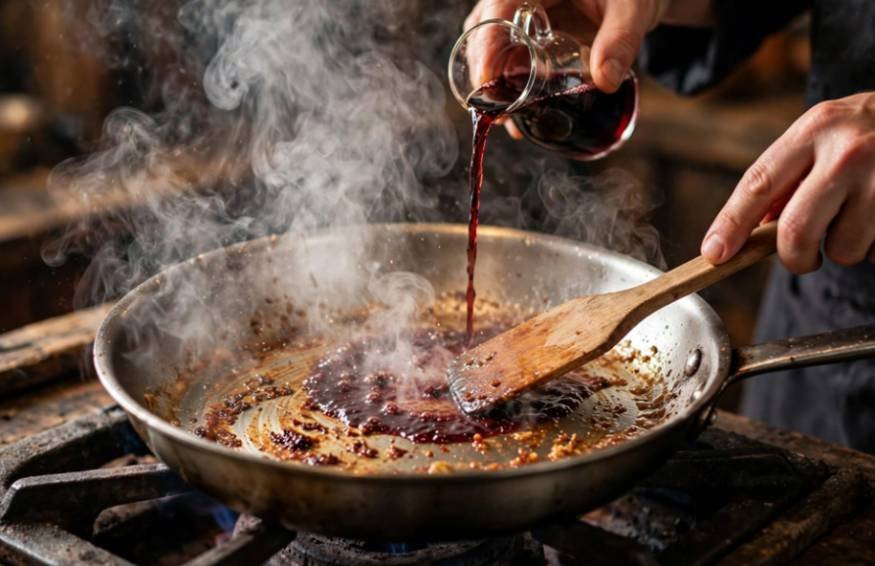
As proteins cook, microscopic caramelized remnants stick to the bottom of the stainless steel or cast iron skillet. In culinary terms, this goldmine is called fond.
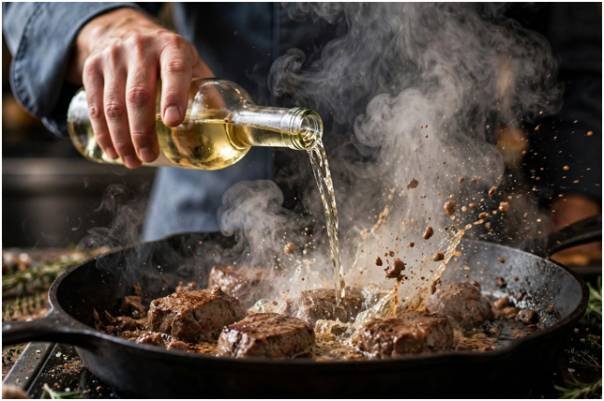
Never leave fond behind. Once you remove your seared proteins, pour a dry liquid—such as dry white wine, red wine, unseasoned chicken stock, or cider vinegar—into the hot pan. Scrape the pan vigorously with a flat wooden spoon. The acid and liquid dissolve those concentrated proteins back into the sauce, laying down an incomparable savory baseline.
Wake Up Dormant Spices Through Blooming and Toasting
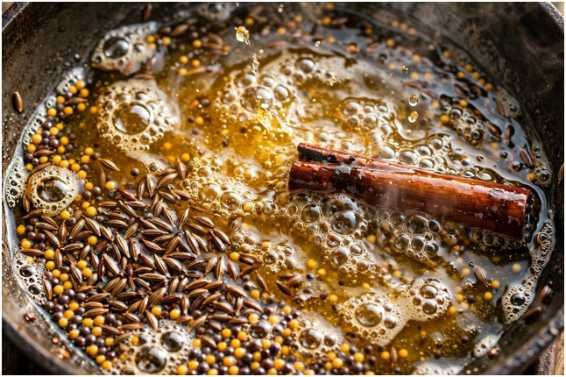
Ground spices stored in a pantry lose their punch over time because their volatile essential oils oxidize. You can revive them with thermal energy.
Whole spices like cumin seeds, coriander, fennel, and black peppercorns benefit from two minutes in a dry, ungreased skillet over medium heat. Once fragrant, crush them in a mortar and pestle.
For ground spices—like paprika, turmeric, chili powder, and ground coriander—add them directly into your warm aromatic fat right before deglazing. Let them bubble for 30 to 45 seconds. This process, known as “blooming,” disperses fat-soluble flavor compounds through the oil while cooking off raw, chalky notes. Watch your heat closely during this step; ground spices burn within seconds if neglected.
Swap Inert Water for Flavor-Dense Stocks and Ferments
Every volume of liquid you add to a simmering stew, soup, or braise either dilutes or enhances your flavor architecture. Pure tap water offers zero flavor gain.
Replace water with gelatin-rich chicken, beef, or roasted vegetable stock. As stocks reduce, their natural gelatins concentrate, creating a glossy mouthfeel that coats your tongue and prolongs taste perception.
To introduce deep, fermented complexity, incorporate umami-rich boosters:
- Brown a tablespoon of tomato paste in your aromatics until it shifts to a deep brick red.
- Splash tamari or fermented fish sauce into savory stews.
- Toss a lingering Parmesan cheese rind into simmering broths.
- Whisk a spoonful of white or red miso paste into pan sauces off the heat.
According to research from the Serious Eats culinary team, combining glutamates (found in tomatoes, aged cheeses, and soy) with inosinates (found in meats and fish) triggers a synergistic umami multiplier that makes dishes taste substantially richer than the sum of their parts.
Master Sequential Seasoning to Build Dimension
Salting a meal only once at the dinner table creates a sharp, abrasive exterior saltiness while leaving the core of your ingredients completely bland.
Proper seasoning requires micro-dosing salt across every phase of preparation. Learn the deliberate mechanics of how to season food from step one:
- Dry-brine proteins: Salt meats hours ahead of time to allow sodium ions to penetrate muscle tissue via osmosis.
- Season aromatics: Add a pinch of kosher salt to sweating onions to pull out internal water through cellular walls, accelerating caramelization.
- Season intermediate reductions: Lightly salt braises and broths as they simmer, accounting for the natural salt concentration that occurs during reduction.
- Final adjustment: Perform a final taste test right before plating to fine-tune clarity.
Educational insights from the Harvard T.H. Chan School of Public Health confirm that salt acts as an effective flavor modifier. In balanced concentrations, sodium suppresses natural bitterness while amplifying perceived sweetness and savory aromatics.
Correct Flat Profiles with Terminal Acidity and Volatile Herbs
When a completed soup, stew, or sauce tastes heavy, muddy, or uninspired, your first instinct might be to add another pinch of salt. Resist that urge. Heavy foods almost always suffer from a lack of acidity.
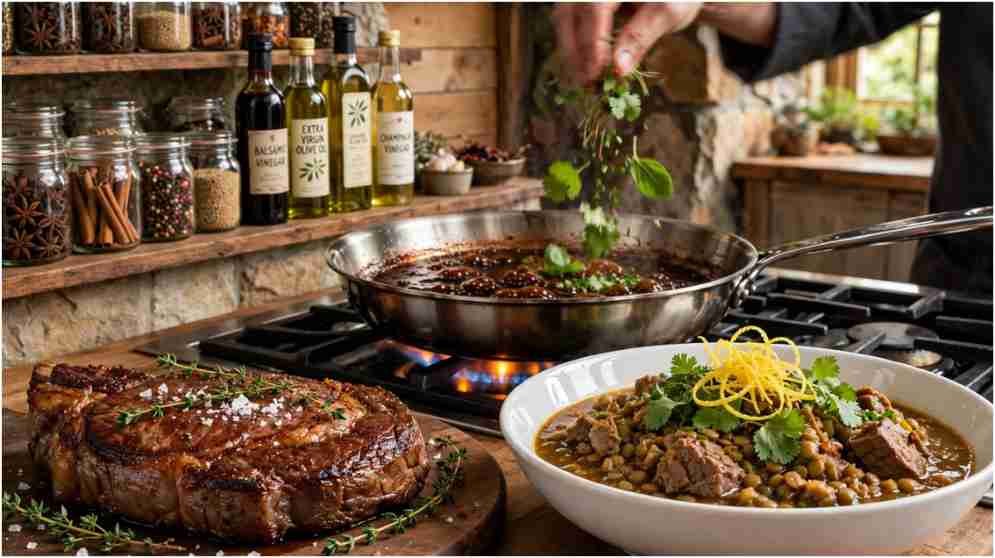
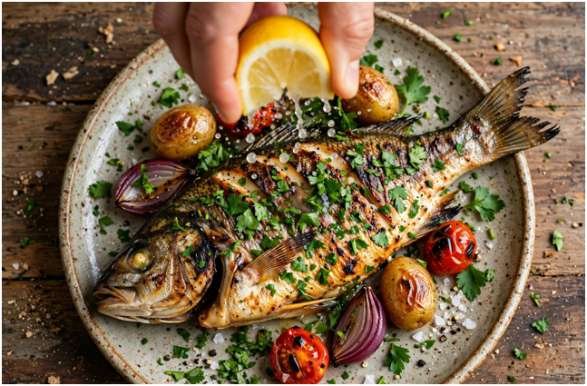
Acidity lifts palate fatigue, stimulates salivation, and brings hidden flavors into crisp focus. Keep these finishing acids on your counter:
| Acid Source | Best Application | Primary Characteristic |
| Fresh Lemon Juice | Roasted poultry, fish, rich cream sauces | Clean, sharp, citrusy |
| Sherry Vinegar | Pan gravies, sauteed mushrooms, lentils | Nutty, woody, mellow |
| Apple Cider Vinegar | Braised pork, barbecue reductions, greens | Fruity, punchy, sweet |
| Red Wine Vinegar | Hearty beef stews, tomato sauces | Robust, bold, tannic |
Stir in delicate, volatile fresh herbs like parsley, cilantro, basil, tarragon, or chives during the final 60 seconds off the flame. Direct, prolonged heat vaporizes their delicate essential oils. Finishing with fresh herbs delivers a clean, garden-fresh aroma right as the plate arrives at the table.
Stop Over-Salting: A 30-Second Fix for Dull Sauces
[Tasting Your Dish]
│
├── Tastes Flat & Heavy? ──> Add 1/2 tsp Lemon Juice or Vinegar
│
├── Tastes Sharp & Acidic? ──> Whisk in 1 tbsp Cold Butter or Cream
│
├── Tastes Bitter? ──> Add a Pinch of Salt or Caramelized Onions
│
└── Tastes Bland All Over? ──> Add Salt in 1/4-tsp Increments
During a line cook shift, I watched an apprentice dump three teaspoons of kosher salt into a dull demi-glace. It became inedibly salty yet remained curiously flat.
I took a ladle of that ruined sauce, stirred in a half-teaspoon of aged red wine vinegar, and handed him the spoon. The acidity cut straight through the dense tallow, balanced the salinity, and highlighted the thyme and garlic we had simmered hours earlier. When a savory reduction falls flat, drop your salt cellar and add three drops of acid.
Frequently Asked Questions About Building Flavor
1. What is the most common reason home-cooked food tastes bland?
Home cooks often add salt only at the very end of cooking and fail to incorporate an acidic element like lemon juice or vinegar to brighten rich fats.
2. How do whole spices differ from ground spices when building flavor?
Whole spices hold volatile oils longer and require dry toasting, while ground spices burn quickly and must be bloomed briefly in hot oil.
3. Can I fix a dish that has turned out too acidic?
Balance excess acidity by whisking in rich fats like cold butter, heavy cream, or olive oil, or introduce sweetness using caramelized alliums.
4. Why do recipes call for deglazing with wine or broth instead of water?
Deglazing with wine or broth adds organic acids and savory compounds while lifting the caramelized fond, whereas water dilutes existing flavors.
Don’t Just Salt It—Balance It
Cooking with profound depth is not an innate talent reserved for culinary school graduates; it is a systematic series of mechanical steps. Build your base with fat-coated aromatics, coax deep color from your proteins, unlock browned bits from your pan, and never underestimate the transformative power of a fresh lemon wedge right before you serve.
Pick one technique from this guide—whether it is blooming your ground cumin in olive oil or deglazing your skillet with a splash of dry wine—and test it tonight. Your palate will notice the difference immediately.