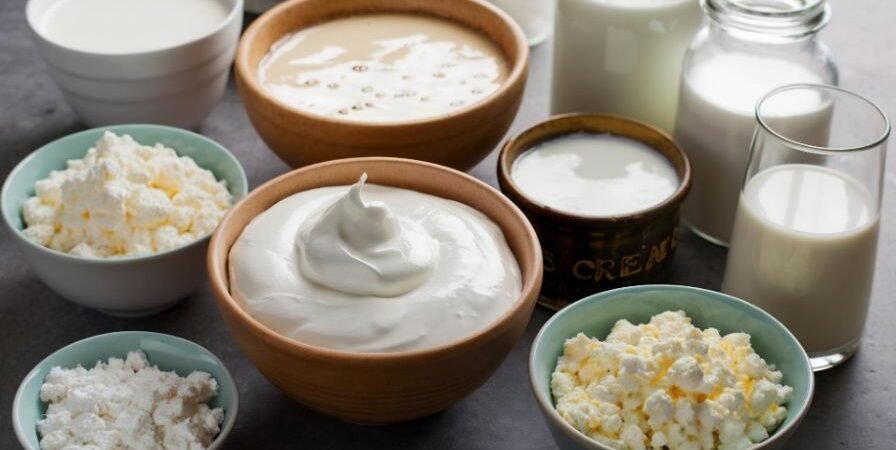
I have opened the refrigerator halfway through a recipe only to discover that the cream carton was empty. Fortunately, several everyday ingredients can provide similar richness and thickness. The right choice depends on whether I am making soup, pasta sauce, cake, ganache, or a whipped topping.
These heavy cream substitutes cover dairy, dairy-free, lower-fat, and protein-rich options. Each replacement behaves differently, so matching it to the purpose of the original ingredient is more important than choosing the first creamy product available.
What Does Heavy Cream Do in a Recipe?
Heavy cream generally contains at least 36% milk fat. That concentration gives food a rich flavour, smooth mouthfeel, and stable texture. It can thicken sauces, soften baked goods, enrich soups, and hold air when whipped.
A substitute does not always reproduce every function. Milk mixed with butter provides fat and moisture but cannot form stiff peaks. Yogurt adds body but may curdle under intense heat. Coconut cream can whip, although its flavour may remain noticeable.
Understanding the required function makes choosing a replacement much easier.
1. Milk and Butter

Milk and butter are the most practical all-purpose replacement for cooked and baked recipes. Butter restores some of the fat missing from milk, creating a richer mixture.
To replace one cup of cream, combine ¾ cup milk with ¼ cup melted butter. Allow the butter to cool slightly before whisking it gradually into the milk. A blender can produce a smoother emulsion.
This mixture works in soups, casseroles, pasta sauces, cakes, and quick breads. It will not whip because its fat structure is different from that of natural cream.
2. Half-and-Half
Half-and-half can replace cream in equal quantities when a slightly lighter result is acceptable. It is convenient for soups, sauces, scrambled eggs, mashed potatoes, and creamy drinks.
Because it contains less fat, it may produce a thinner sauce. Avoid boiling it aggressively, as lower-fat dairy products can separate under excessive heat. Adding a small amount of butter can improve richness, but it still will not create stable whipped peaks.
3. Evaporated Milk
Evaporated milk is a useful shelf-stable option. Since some of its water has been removed, it has more body than ordinary milk.
Use one cup of evaporated milk for every cup of cream. It performs well in custards, soups, sauces, casseroles, hot chocolate, and many baked dishes. Its flavour can be slightly cooked or caramelised, and the final dish may be less rich. It is unsuitable for conventional whipped cream.
4. Greek Yogurt and Milk
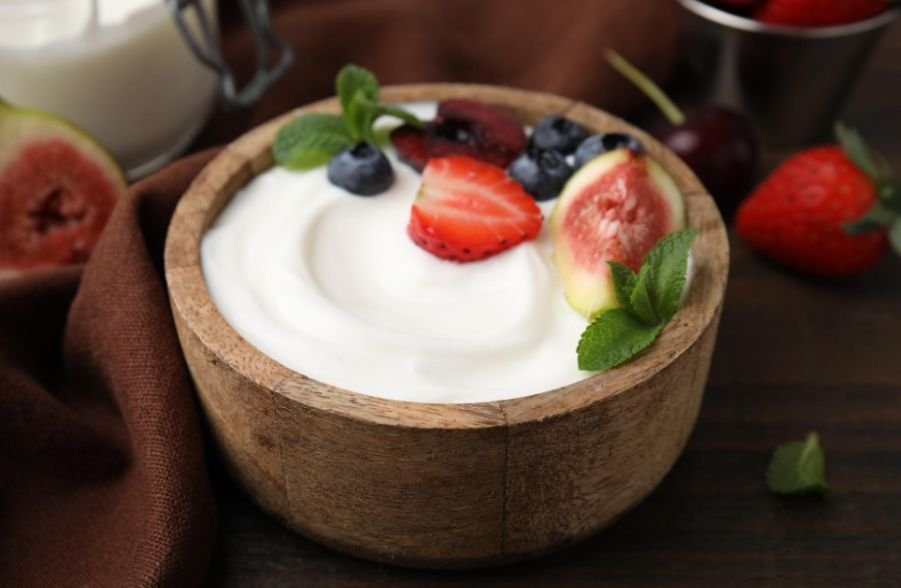
Mix equal amounts of full-fat Greek yogurt and milk to create a thick, protein-rich replacement. The milk loosens the yogurt while preserving its creamy body.
This combination suits savoury sauces, soups, dressings, marinades, and selected baked goods. Its gentle tang can complement dishes containing herbs, lemon, or cheese. Add it over low heat or after removing the pan from the stove because boiling may cause curdling.
5. Sour Cream
Sour cream can be used in equal quantities when its tangy flavour complements the recipe. It is particularly effective in cheesecakes, dips, casseroles, frostings, muffins, and rich savoury sauces.
Its acidity can react with baking soda and influence the rise and tenderness of baked goods. Sour cream is thick, so it may need to be loosened with a little milk. It should not be treated as a whipping substitute.
6. Cream Cheese
Softened cream cheese adds thickness and richness to soups, sauces, frostings, and fillings. Use an equal quantity for recipes in which a dense consistency is desirable.
Thin it with milk before adding it to a sauce, and whisk carefully to prevent lumps. Its mild tang and concentrated texture can make delicate dishes heavier, so it is less suitable when the recipe requires a pourable liquid.
7. Coconut Cream
Coconut cream is one of the most versatile dairy-free replacements. Use it in an equal quantity in curries, soups, sauces, ganache, desserts, and baked goods.
It can also be whipped. Chill the cream, mixing bowl, and beaters before whipping, and use the thick solid portion rather than any separated liquid. Coconut flavour may be noticeable in neutral dishes but works naturally with chocolate, fruit, warm spices, and many curries.
8. Cashew Cream
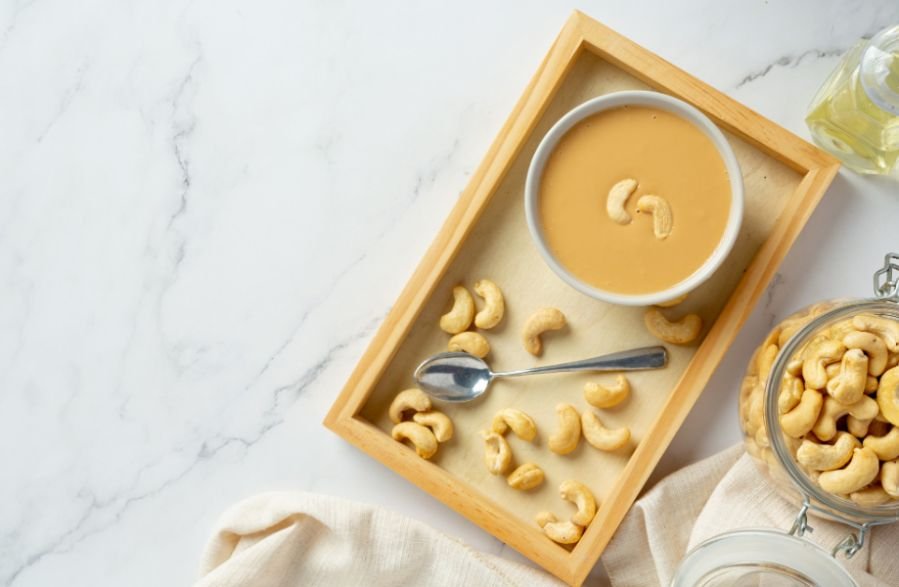
Cashew cream offers a smooth, relatively neutral dairy-free alternative. Soak raw cashews until softened, drain them, and blend with fresh water until completely silky.
The amount of water controls the thickness. A dense blend works for pasta sauces and desserts, while additional water creates a pourable soup or casserole ingredient. Cashew cream does not whip, and it is unsuitable for anyone with a cashew or tree-nut allergy.
9. Soy Milk and Neutral Oil
Combining ⅔ cup soy milk with ⅓ cup neutral oil produces one cup of dairy-free replacement. The oil adds fat, while soy milk supplies moisture and enough protein to help form an emulsion.
Use it in cakes, muffins, soups, and sauces. Choose a neutral oil when you do not want its flavour to affect the dish. This mixture adds richness but cannot trap enough air to create whipped peaks.
10. Milk and Cornstarch
For a lighter thickening option, whisk two tablespoons of cornstarch into one cup of milk. Heat the mixture gently until it thickens.
This alternative is useful in soups, gravies, casseroles, and sauces where thickness matters more than richness. It contains considerably less fat and may make baked goods less tender. Mix the cornstarch with cold milk before heating to prevent lumps.
11. Silken Tofu and Plant Milk
Blend equal quantities of silken tofu and unsweetened plant milk until perfectly smooth. The result provides creaminess, body, and additional protein without dairy.
It works best in soups, pasta sauces, puddings, fillings, and blended desserts. Soy milk usually produces a fuller texture, although other unsweetened plant milks can work. Choose a plain product to avoid unwanted sugar or vanilla flavour.
Which Option Works Best for Whipping?
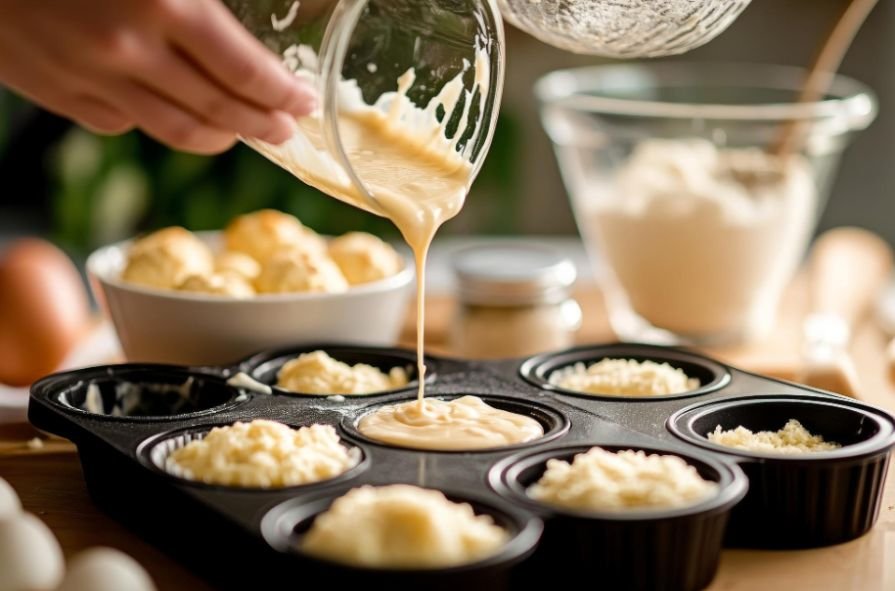
Whipping depends on sufficient fat and the ability to form a stable structure around air bubbles. Chilled coconut cream is the strongest widely available dairy-free choice. Commercial plant-based whipping cream is another reliable option when available.
Milk-and-butter mixtures, cornstarch-thickened milk, evaporated milk, and cashew cream cannot produce traditional stiff peaks. For decorated cakes or desserts where structure matters, using a specifically whippable product is safer than experimenting with a cooking replacement.
Common Substitution Mistakes
Do not assume that a thick ingredient will behave like cream. Cornstarch creates thickness but not richness, while cream cheese can make a sauce excessively dense. For a richer skillet finish, learning how to make a pan sauce can help you choose the right cream substitute. Avoid boiling yogurt and lower-fat dairy replacements.
Also check the final consistency gradually. A substitute may need extra liquid, gentle reduction, or a small amount of thickener to recreate the intended texture.
Frequently Asked Questions
1. What are the best heavy cream substitutes for pasta?
Milk and butter, half-and-half, evaporated milk, and cashew cream all work well in pasta sauces. Greek yogurt can also work when stirred in over low heat.
2. Can ordinary milk replace heavy cream?
Milk can replace it in some soups and sauces, but the result will be thinner and less rich. Adding butter or using cornstarch improves its performance.
3. What is the best dairy-free replacement?
Coconut cream is best when richness or whipping is required. Cashew cream is preferable when a more neutral flavour is important.
4. Can I use a cream replacement in cheesecake?
Sour cream, full-fat Greek yogurt, or softened cream cheese may work, depending on the recipe. Avoid thin alternatives because cheesecake depends on controlled moisture and fat.
Final Thoughts
I choose a replacement by asking what the cream is supposed to accomplish. Milk and butter handle most cooking emergencies, evaporated milk offers convenience, and coconut cream covers dairy-free desserts. Yogurt, tofu, and cashews provide useful alternatives when nutrition or dietary needs matter.
Yogurt, tofu, and cashews provide useful alternatives when nutrition or dietary needs matter. These choices can also fit into a science-backed morning fueling guide when building a balanced first meal of the day.
No substitute is perfect for every dish. However, when I match its fat, flavour, thickness, and heat stability to the recipe, I can usually finish cooking without sacrificing the result.