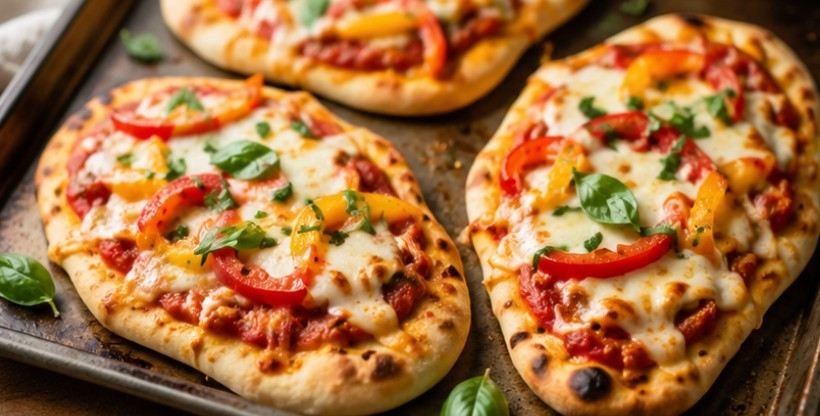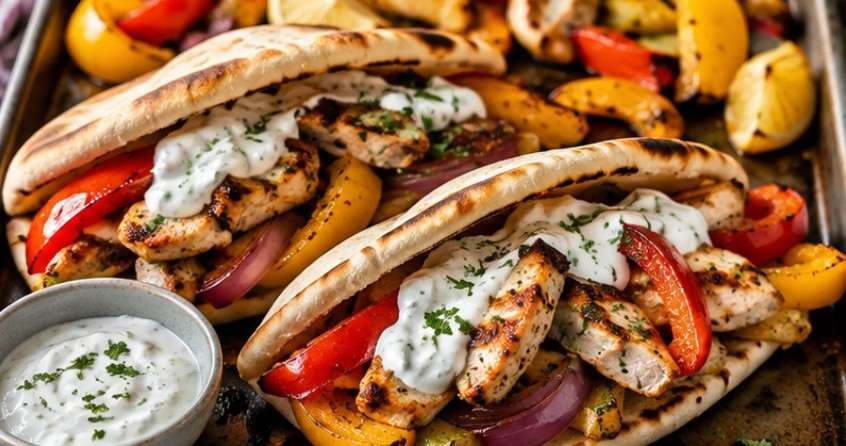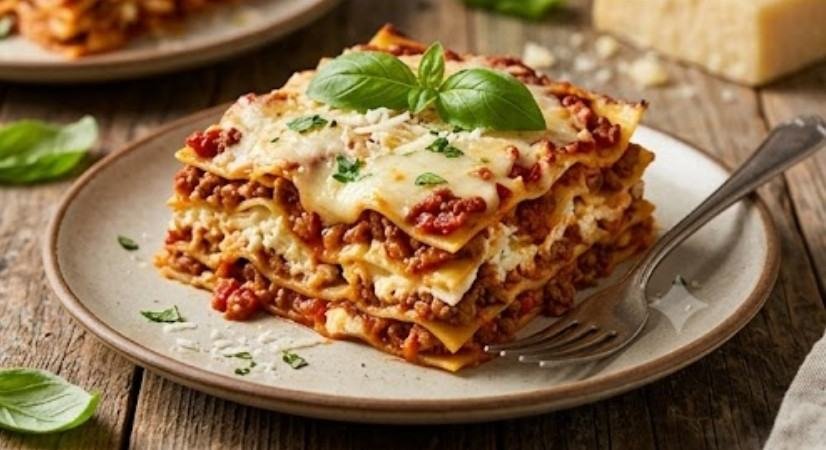

The fastest dinner is rarely the recipe with the fewest ingredients. It is the meal built from ingredients that are already cooked, quick-cooking, or ready to use. That is why dependable quick dinner ideas pair one fast protein, one easy base, vegetables, and a strong flavor booster.
With rotisserie chicken, canned beans, frozen vegetables, cooked rice, eggs, pasta, and a few sauces in the kitchen, dinner can realistically reach the table in 10 to 30 minutes.
Use a Four-Part Formula Instead of Chasing Recipes
A simple formula makes weeknight cooking faster than scrolling through recipes:
- Pick a protein: eggs, canned beans, rotisserie chicken, tuna, salmon, shrimp, tofu, or leftovers.
- Add a base: microwaveable rice, tortillas, pasta, couscous, bread, potatoes, or noodles.
- Add vegetables: frozen broccoli, spinach, peas, bagged slaw, cherry tomatoes, or pre-cut vegetables.
- Finish with flavor: pesto, salsa, marinara, hummus, curry paste, vinaigrette, lemon, hot sauce, or cheese.
The Academy of Nutrition and Dietetics recommends precooked ingredients such as rotisserie chicken and canned beans as useful time-savers.
USDA MyPlate meal-planning guidance likewise advises keeping fresh, frozen, and shelf-stable foods available and planning leftovers for busy days.
Eight Quick Dinner Ideas Worth Keeping on Repeat
These two foundational blueprints demonstrate how speed and flavor intersect. Both require minimal cleanup and can be fully executed in under half an hour. If you want to take these quick meals a step further, restaurant-style recipes at home can help you recreate polished flavors without adding complicated cooking steps.
| Dinner | Time | Shortcut |
| Blistered tomato pasta | 20–25 min | Tomatoes cook while pasta boils |
| Egg fried rice | 15 min | Leftover or frozen cooked rice |
| Shrimp tacos | 15 min | Peeled shrimp + bagged slaw |
| Chicken quesadillas | 12 min | Rotisserie chicken |
| Black bean rice bowls | 10 min | Canned beans + quick rice |
| Upgraded spaghetti | 20 min | Marinara + frozen meatballs |
| Pesto mac and vegetables | 15 min | Boxed mac + frozen greens |
| Chickpea hummus wraps | 10 min | Chickpeas + prepared hummus |
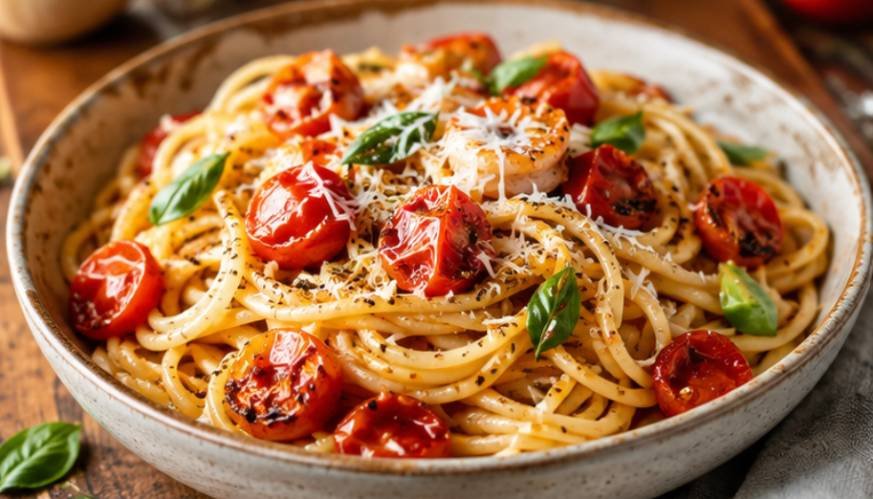
Blistered Tomato Pasta
Boil pasta while heating olive oil in a skillet. Add cherry tomatoes and cook until they soften and split. Toss with pasta, a little pasta water, spinach, garlic, and Parmesan.
The sauce develops while the pasta cooks. Prepared pesto can shorten the ingredient list even further.
Fast Fried Rice
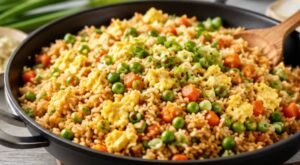
Scramble an egg, add frozen peas and carrots, then stir in cold rice with low-sodium soy sauce and a little sesame oil. Frozen or microwaveable rice works when there are no leftovers.
Add edamame, tofu, or leftover chicken for more protein. Starting with cooked rice turns fried rice from a full cooking project into a fast skillet meal.
Broiled Shrimp Tacos
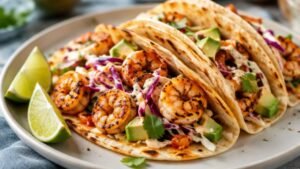
Toss peeled shrimp with olive oil, garlic, smoked paprika, and chili sauce, then broil until opaque. Serve in warm tortillas with bagged slaw, avocado, and lime.
Shrimp works especially well on rushed nights because small pieces cook quickly and require very little preparation.
Pesto Mac and Cheese
Use prepared mac and cheese as a base rather than the entire dinner. Stir in pesto with frozen peas, spinach, broccoli, or zucchini, then add white beans, shredded chicken, or tuna for protein.
It is also easy to customize separate bowls for family members who prefer different vegetables or toppings.
Rotisserie Chicken Quesadillas
Layer shredded chicken and cheese in tortillas and cook until crisp. Serve with salsa, black beans, or salad.
The American Heart Association’s quick-meal guidance highlights practical “dinner builders” such as canned beans, frozen vegetables, whole grains, canned proteins, and jarred sauces. These shortcuts reduce real preparation work without requiring an entirely packaged dinner.
Ten-Minute Black Bean Bowls
Warm black beans with cumin, garlic powder, and salsa. Spoon them over microwaveable brown rice and add corn, avocado, tomato, cheese, or plain Greek yogurt.
The same pattern works with pinto beans, chickpeas, lentils, leftover chicken, or tofu, making it one of the most adaptable meals for an almost-empty refrigerator.
Make a Fast Dinner More Balanced
Speed and nutrition are not opposites. The Harvard Healthy Eating Plate suggests making roughly half a meal vegetables and fruits, while dividing much of the remaining space between whole grains and healthy protein.
For more plant-forward meal inspiration, easy vegetarian recipes can provide simple ways to build balanced dinners without adding much preparation time.
Apply that idea loosely rather than measuring every plate. Add slaw and beans to quesadillas, spinach and chickpeas to pasta, or extra frozen vegetables to fried rice.
The goal is not to turn a 15-minute meal into a complicated nutrition project. It is to upgrade whatever you were already planning to cook.
Try the Five-Minute “What Can I Make?” Test
Before ordering takeout, look through the refrigerator and pantry and ask four questions:
Do I have a protein that is ready or cooks in under 10 minutes? Do I have a quick base? Is there a vegetable requiring almost no preparation? Is there a sauce, spice blend, or acidic ingredient that can connect everything?
Eggs + tortillas + spinach + salsa becomes breakfast tacos.
Chickpeas + pasta + broccoli + pesto becomes a quick pasta bowl.
Tuna + bread + tomatoes + mustard becomes an open-faced melt.
This method is more useful than memorizing dozens of quick dinner ideas because it teaches you to improvise with ingredients already in the house.
Shortcuts That Save Real Time
Frozen vegetables, pre-cut produce, microwaveable grains, canned beans, jarred sauces, and cooked chicken remove actual kitchen steps. They can eliminate washing, chopping, soaking, simmering, or cooking a separate component.
USDA MyPlate recommends checking the refrigerator, freezer, and pantry before shopping, choosing meals based on the time available, and intentionally planning leftovers. That can make tomorrow’s meal a reheating job instead of another start-from-zero cooking session.
One useful habit is cooking a little extra rice, chicken, roasted vegetables, or pasta whenever you already have the stove on. The extra portion becomes a head start rather than simply “leftovers.”
Do Not Let “Quick” Override Food Safety
Fast cooking still requires safe cooking. FoodSafety.gov’s minimum temperature guide recommends cooking poultry to 165°F, ground meats to 160°F, and fish to 145°F. Leftovers should be reheated to 165°F.
If cooked chicken, rice, meatballs, or vegetables are part of your quick-dinner system, prompt refrigeration and proper reheating are part of the shortcut.
That matters especially when intentionally cooking enough food for more than one night.
Frequently Asked Questions
1. What can I make for dinner in 10 minutes?
Try egg tacos, bean-and-rice bowls, chickpea wraps, tuna melts, quesadillas, or pesto pasta. Precooked proteins and microwaveable grains are especially useful.
2. What are good quick dinner ideas for a family?
Quesadillas, spaghetti with meatballs, fried rice, taco bowls, and upgraded mac and cheese work well because toppings and add-ins are easy to customize.
3. What should I keep for last-minute dinners?
Stock canned beans, tuna, pasta, rice, tortillas, eggs, frozen vegetables, marinara, pesto, shredded cheese, and one or two quick proteins.
4. Can a fast dinner still be healthy?
Yes. Include vegetables, protein, and a whole-grain or minimally processed carbohydrate when practical, then use convenience products strategically.
A Better Way to Think About Weeknight Dinner
The real win is not finding one perfect 20-minute recipe. It is building a kitchen where several dinners are always 20 minutes away.
Keep two fast proteins, two easy bases, frozen vegetables, and two sauces or seasoning profiles on hand. Those few building blocks create dozens of combinations without a rigid meal plan. On low-energy nights, the best dinner is not necessarily the most inventive one. It is the meal you can begin immediately, finish safely, and feel good about serving. That is ultimately what makes a fast dinner genuinely useful.