
The most useful dinner recipe is not always the one with the fewest ingredients. It is the one that removes decisions. A skillet, a quick protein, vegetables, a pantry staple, and one strong flavor can turn an almost-empty refrigerator into dinner in 20 minutes.
That is the real advantage of simple dinner recipes: they create a repeatable system for feeding yourself or a family without depending on takeout, complicated preparation, or an ambitious grocery list.
What Actually Makes a Dinner Simple?
A recipe labeled “easy” can still involve 14 ingredients, three pans, and 45 minutes of chopping. For weeknight cooking, simplicity is better measured by friction.
A genuinely easy dinner usually has three qualities: limited preparation, ingredients that are easy to substitute, and minimal cleanup.
The Academy of Nutrition and Dietetics recommends keeping five to seven reliable main dishes in rotation, stocking quick staples such as pasta, rice and beans, and batch-cooking foods such as lentils, quinoa and brown rice. Their weeknight dinner guidance supports an important idea: planning does not require creating an elaborate weekly menu.
You simply need enough familiar building blocks to avoid starting from zero every evening.
Use the 1-1-1-1 Dinner Formula
Instead of searching for a different recipe every night, build dinner from four components:
- Choose one protein: chicken, ground turkey, eggs, beans, lentils, tofu or canned tuna.
- Add one or more vegetables: frozen broccoli, zucchini, peppers, spinach, tomatoes or a bagged vegetable mix.
- Pick one fast carbohydrate: tortillas, pasta, rice, couscous, potatoes or bread.
- Finish with one flavor direction: salsa, pesto, curry sauce, garlic and Parmesan, soy sauce, taco seasoning or lemon and herbs.
This method is flexible enough to produce tacos one night and a skillet meal the next without completely changing your shopping list.
Nutrition does not have to make the system complicated. Harvard’ Healthy Eating Plate guidance suggests roughly half the meal from vegetables and fruits, one-quarter from whole grains and one-quarter from healthy protein sources.
Think of those proportions as a useful direction rather than a mathematical requirement for every dinner.
Six Simple Dinner Recipes Worth Keeping in Rotation
These ideas rely on flexible ingredients rather than exact measurements, making them particularly useful when you are cooking from what you already have.
| Dinner idea | Typical time | Main shortcut | Easy addition |
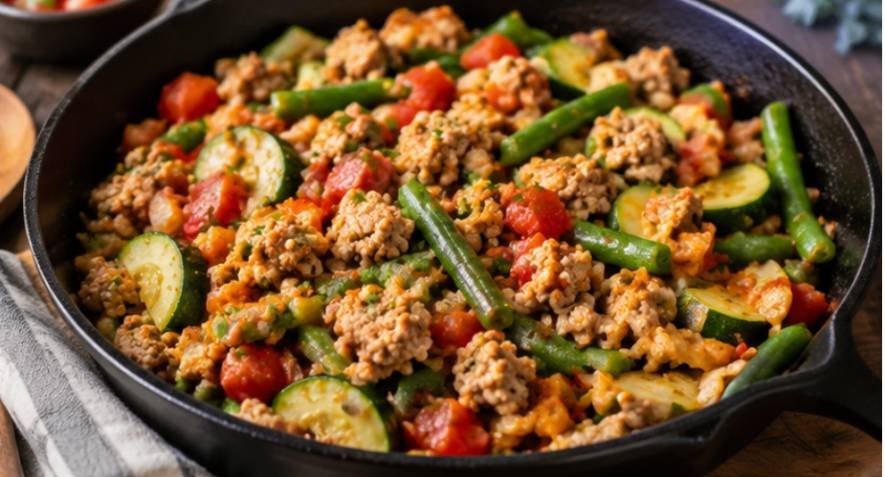
| Turkey vegetable skillet | 20–25 min | Ground turkey + frozen vegetables | Rice or bread |
| One-pan chicken pasta | 25–30 min | Pre-cooked chicken | Spinach or peas |
| Chicken quesadillas | 10–15 min | Leftover or rotisserie chicken | Salsa and beans |
| Black bean taco bowls | 15 min | Canned beans | Corn, avocado, rice |
| Vegetable egg fried rice | 15 min | Leftover rice | Frozen peas and carrots |
| Quick French dip sandwiches | 10–15 min | Deli roast beef | Salad or vegetables |
Turkey and Vegetable Skillet
Brown ground turkey with chopped onion, then add zucchini, green beans, peppers or whatever vegetables need using. Stir in canned fire-roasted tomatoes and enough chicken broth to create a light sauce.
Season with garlic, Italian herbs, chili powder or smoked paprika. Serve it alone for a lighter meal or spoon it over rice.
The advantage is adaptability: ground chicken, beef, lentils or crumbled tofu can replace turkey.
Creamy One-Pan Chicken Pasta
One-pot pasta works because the pasta cooks directly in the sauce rather than in a separate pot.
Soften onion and garlic in a skillet, add broth and pasta, then simmer until nearly tender. Stir in cooked chicken, frozen peas or spinach and a small amount of cream or Parmesan.
The starch released from the pasta naturally thickens the liquid, reducing both cooking steps and dishes.
Ten-Minute Quesadillas
Quesadillas are among the most forgiving simple dinner recipes because leftovers become ingredients rather than waste.
Place shredded cheese and cooked chicken, pork, beans or vegetables inside a tortilla. Cook in a dry or lightly oiled skillet until crisp and melted.
Serve with salsa, avocado, canned black beans or chopped tomatoes. You can also make several quesadillas at once on a sheet pan when feeding a family.
Pantry Taco Bowls
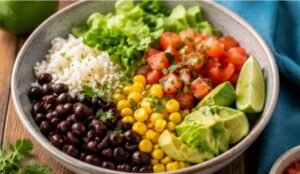
Warm drained black beans with cumin, chili powder and salsa. Spoon them over microwaveable brown rice or leftover rice, then add corn, cheese, lettuce, avocado or tomatoes. These ingredients are also ideal for easy vegetarian recipes, giving you a simple way to build filling plant-based meals from pantry and refrigerator staples.
This is especially useful near the end of the grocery week because canned beans, rice and salsa can stay available long after fresh proteins are gone.
Fifteen-Minute Vegetable Fried Rice
Cold leftover rice is ideal here. Scramble an egg in a hot skillet, add frozen vegetables and rice, then season with reduced-sodium soy sauce, garlic and a little sesame oil.
Add leftover chicken or tofu if you want more protein.
The technique also works with quinoa or other cooked grains.
The Almost-No-Cook French Dip
For a particularly tired evening, warm thinly sliced roast beef in beef broth or prepared onion soup. Place it inside toasted rolls with provolone and serve some of the warm broth alongside for dipping.
It is faster than most restaurant delivery, although it is best viewed as an occasional shortcut rather than an everyday meal because deli and processed meats can be high in sodium.
Let the Freezer Do More of the Work

Frozen food is often unfairly treated as inferior to fresh ingredients. For quick dinners, frozen vegetables can be one of the most useful tools in the kitchen because they are already washed, cut and ready for the pan.
Keep broccoli, peas, spinach, mixed vegetables and corn available. Add canned tomatoes, beans, tuna, pasta, rice, tortillas and broth to the pantry, and several dinners become possible without another supermarket trip.
Batch cooking also pays off. Make extra rice, quinoa or cooked beans, portion them, and freeze what you will not use immediately.
Shortcuts Still Need Food-Safety Rules
Fast cooking should not mean careless cooking.
The CDC estimates that foodborne illness affects about 48 million people annually in the United States. Its food-safety recommendations emphasize cleaning hands and surfaces, preventing cross-contamination, cooking foods properly and refrigerating cooked food promptly.
Leftovers deserve particular attention. The FDA’s food storage guidance says foods requiring refrigeration generally should not remain at room temperature longer than two hours, or one hour when temperatures exceed 90°F. Refrigerators should stay at or below 40°F.
That matters if tonight’s quesadilla depends on Sunday’s chicken.
A Five-Minute Test Before Ordering Takeout
Before opening a delivery app, check your kitchen for four things:
Do you have a protein? Do you have a vegetable? Do you have rice, pasta, bread or tortillas? Do you have something flavorful enough to connect them?
If the answer is yes to three or four, dinner probably exists.
Eggs plus frozen vegetables plus rice becomes fried rice. Beans plus tortillas plus cheese becomes tacos. Chicken plus pasta plus pesto becomes dinner with almost no planning.
The goal is not culinary perfection. It is recognizing combinations quickly.
Where Simple Cooking Has Limits
Not every evening needs to be optimized for speed. Braises, homemade bread, slow-cooked sauces and special-occasion meals reward additional time.
For those occasions, comfort food recipes can offer satisfying, familiar dishes when convenience and speed are not the main priorities.
Dietary needs can also change the formula. Someone managing food allergies, kidney disease, diabetes or another medical concern may need more individualized ingredient choices than a general dinner framework provides.
And convenience foods vary significantly in sodium, added sugar and saturated fat. “Fast” and “nutritious” are not automatically the same thing, so ingredient labels still matter.
Frequently Asked Questions
1. What are the easiest foods to make for dinner?
Quesadillas, pasta, tacos, fried rice, grain bowls, omelets and skillet meals are easy because ingredients can be swapped without changing the basic cooking method.
2. What ingredients should I keep for quick dinners?
Keep eggs, beans, pasta, rice, tortillas, canned tomatoes, broth, frozen vegetables, shredded cheese and several sauces or seasonings that can quickly change a meal’s flavor.
3. Can simple dinner recipes still be healthy?
Yes. Build meals around vegetables, a protein source and a whole-grain or other carbohydrate, while using convenience ingredients strategically rather than relying entirely on highly processed foods.
4. What can I cook when I have almost nothing at home?
Start with pantry combinations: pasta with canned tomatoes, beans with rice, eggs with frozen vegetables, or tortillas with cheese. A good sauce or seasoning can turn basic ingredients into a complete meal.
The Best Dinner Plan Is One You Can Repeat
The secret behind simple dinner recipes is not collecting hundreds of recipes. It is learning a handful of flexible cooking patterns well enough that dinner stops requiring a major decision every night.
Keep a dependable protein or two available, stock vegetables that will not spoil quickly, maintain a few pantry staples, and choose sauces and seasonings your household actually enjoys. Then rotate skillets, tacos, pasta, bowls and quesadillas as needed.
A simple dinner succeeds when it gets good food onto the table with less stress. On a busy Tuesday night, that is often the cooking skill that matters most.