Boiling water alters starch molecules in ways that can either transform a meal into restaurant-quality comfort or leave it a gummy mess. Italian culinary tradition has long relied on minimal elements—flour, water, fat, and heat—to deliver complex flavors without hours of prep work. Understanding a few fundamental mechanical steps turns everyday pantry staples into easy pasta recipes that rival top-tier trattorias.
Cooking at home delivers clear health benefits. The USDA Dietary Guidelines for Americans emphasize nutrient-dense home preparation to control sodium and saturated fat intake. By mastering basic techniques, you gain complete control over your ingredients while saving time and money.
Why Five-Ingredient Dishes Rule the Italian Table
Simple Italian cooking rests on cucina povera—the historic tradition of making extraordinary food with limited resources. Modern home cooks often overload sauces with unnecessary herbs and excessive cream. True depth of flavor comes from emulsification, controlled heating, and starch extraction.
When pasta boils, it releases amylose and amylopectin into the water. This cloudy, starchy liquid acts as a natural binder. Mixing this water with fat—such as olive oil or butter—creates a silky emulsion that clings directly to the noodles rather than pooling at the bottom of the bowl.
Essential Pantry Staples for Quick Meals
A well-stocked kitchen guarantees a quick meal is always minutes away. Keeping high-quality items on hand eliminates extra trips to the grocery store.
- Dry Pasta: Bronze-cut varieties feature a rough, matte texture that traps sauce far better than smooth, Teflon-extruded options.
- Extra Virgin Olive Oil: Use cold-pressed oil for low-heat aromatics and finishing drops.
- Whole Peppercorns: Freshly cracked black pepper releases volatile aromatic oils that pre-ground pepper loses over time.
- Aged Hard Cheeses: Genuine Parmigiano-Reggiano or Pecorino Romano provides natural umami and saltiness.
- Fresh Garlic and Lemons: Natural aromatics and bright acids balance rich fats instantly.
Four Classic Express Pasta Dishes
These foundational dishes require minimal active preparation and focus entirely on heat control and timing.
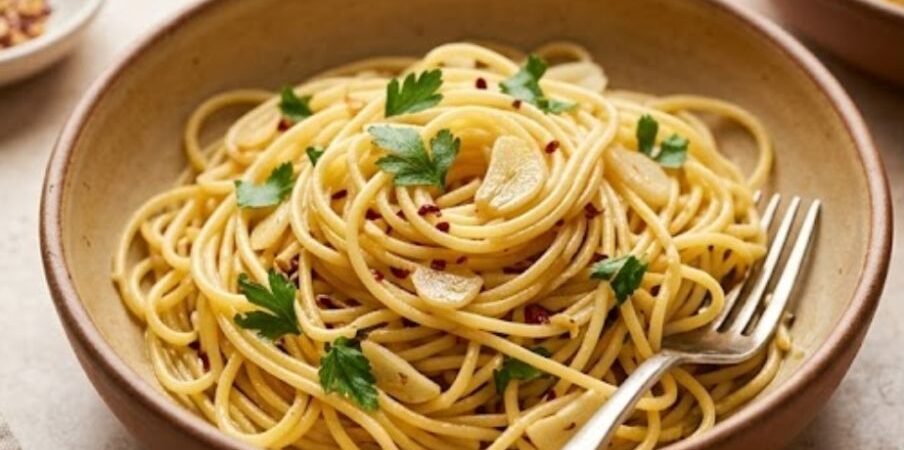
1. Garlic and Olive Oil Noodles (Aglio e Olio)
This classic relies on gentle thermal extraction. Sliced garlic is warmed in extra virgin olive oil over medium-low heat until light golden. Rapidly browning garlic creates bitterness, so controlling temperature is vital. Tossing cooked spaghetti with the infused oil, red pepper flakes, fresh parsley, and starchy water creates a clean, aromatic sauce.
2. Roman Cheese and Pepper Pasta (Cacio e Pepe)
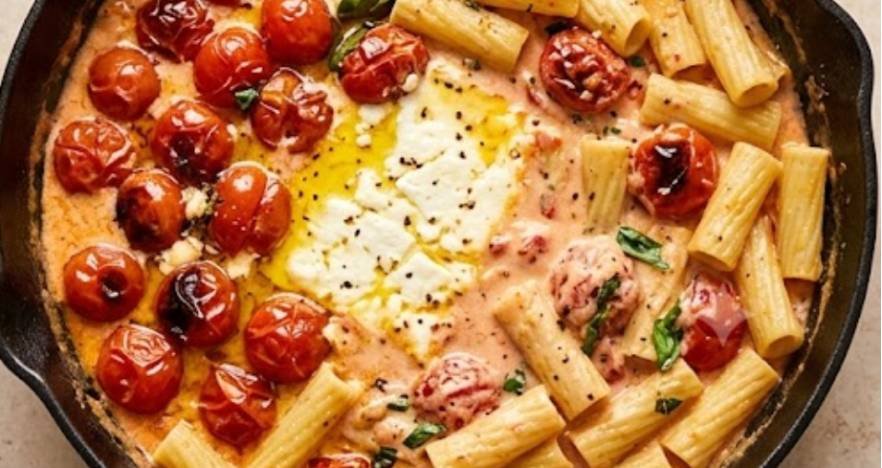
Cacio e Pepe relies entirely on mechanical emulsification. Finely grated Pecorino Romano is combined with warm pasta cooking water and coarse black pepper to form a paste. Tossing hot, freshly drained noodles into this mixture off the heat prevents the cheese from clumping into rubbery strands.
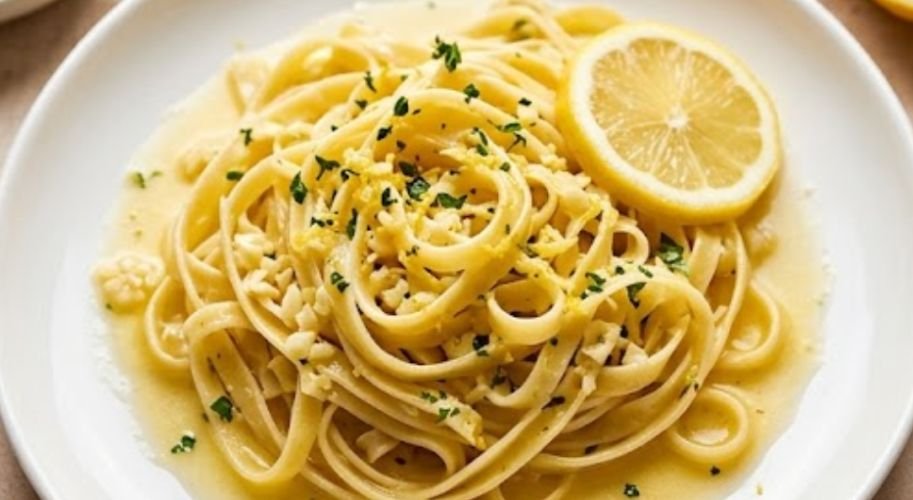
3. Lemon Garlic Butter Pasta
Citric acid cuts through dairy fats to create a refreshing flavor profile. Butter is melted slowly alongside garlic and fresh lemon zest. Hot pasta and a splash of cooking liquid are tossed into the pan, followed by fresh lemon juice and grated Parmesan for a balanced, bright finish.
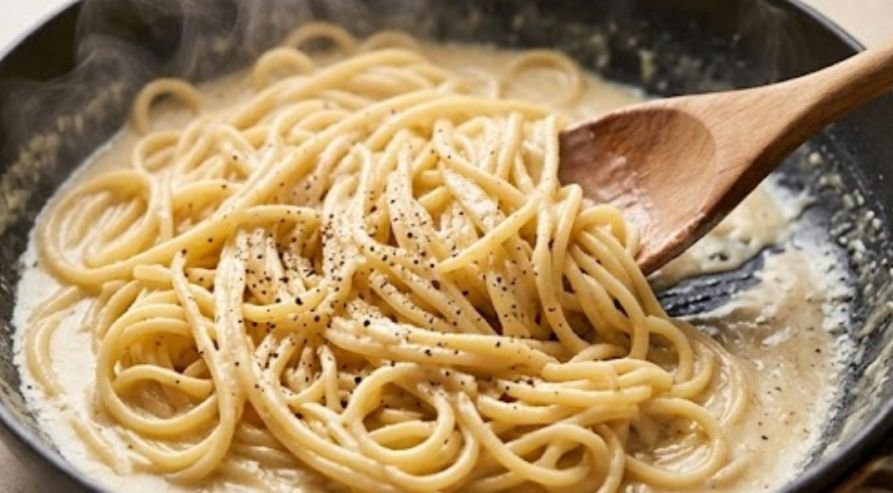
4. Pan-Roasted Feta and Tomato Pasta
Roasting whole cherry tomatoes with garlic and olive oil breaks down plant cell walls, releasing natural sugars and glutamate compounds. Nestling a block of feta cheese into the center allows it to soften. Once baked, mashing the ingredients together produces a creamy, self-emulsifying base for short pasta shapes like penne or rigatoni.
Technical Comparison of Quick Dishes
| Recipe | Primary Fat Source | Key Emulsifier | Ideal Pasta Shape | Prep & Cook Time |
| Aglio e Olio | Extra Virgin Olive Oil | Starchy Cooking Water | Spaghetti, Linguine | 12 Minutes |
| Cacio e Pepe | Pecorino Romano Fat | Fine Cheese & Starch | Tonnarelli, Bucatini | 10 Minutes |
| Lemon Garlic Butter | Unsalted Butter | Butter Solids & Water | Farfalle, Fettuccine | 12 Minutes |
| Roasted Feta Tomato | Olive Oil & Feta Fat | Softened Feta & Tomato Juices | Penne, Rigatoni, Fusilli | 25 Minutes |
The Step-by-Step Emulsion Process
Achieving a restaurant-grade sauce requires precise timing during the final two minutes of cooking.
[Boil Pasta to Very Early Al Dente]
│
▼
[Reserve 1 Cup Starchy Cooking Water]
│
▼
[Transfer Pasta directly to Warm Sauce Pan]
│
▼
[Add 1/4 Cup Water + Fat Base & Stir Vigorously Off Direct Flame]
│
▼
[Grate Cheese Finely & Toss Until Silky]
- Undercook slightly: Drain pasta two minutes before the package instructions indicate al dente.
- Save the water: Dip a measuring cup into the pot before draining. The Oldways Whole Grains Council notes that complex carbohydrate stars suspended in the liquid provide structural support for sauce building.
- Finish in the pan: Combine the noodles, sauce base, and reserved water over low heat. Toss vigorously to force the liquid and oil into a stable suspension.
- Add cheese off heat: Remove the pan from direct flame before introducing grated cheese to prevent protein coagulation.
Troubleshooting Common Culinary Mistakes
Even simple recipes can misfire if basic mechanics are overlooked.
Even simple recipes can misfire if basic mechanics are overlooked. Cooking hacks for home cooks can help simplify small kitchen problems and make everyday techniques more efficient.
- Clumped Cheese: High direct heat causes cheese proteins to contract and separate from fat. Always take the pan off the burner before stirring in grated dairy.
- Watery Sauce Base: Sauce that pools at the bottom of the plate indicates insufficient tossing. Vigorously stir or toss the pasta to force the water and fat into an emulsion.
- Bland Flavor Profile: Pasta absorbs salt as it hydrates. Add enough kosher salt to the boiling water so it tastes mildly oceanic—the American Heart Association offers clear guidance on balancing dietary sodium across daily meals while maintaining proper culinary seasoning.
Nutritional Adjustments and Protein Additions
While classic preparations rely on simple starches and fats, adjusting the base recipe enhances overall nutritional density without adding complexity. Incorporating leafy greens like spinach or arugula during the last minute of tossing wilt them gently while preserving heat-sensitive vitamins.
Adding lean proteins such as canned tuna, grilled chicken breast, or rinsed chickpeas transforms quick noodle dishes into complete, balanced meals.
For more inspiration beyond quick pasta, French bistro recipes offer classic ways to turn simple proteins and pantry ingredients into satisfying meals.
For those tracking macro intake, substituting standard semolina with pulse-based or whole-wheat options increases total dietary fiber and protein while maintaining sauce adhesion.
Frequently Asked Questions
1. Why should I never rinse my cooked pasta?
Rinsing washes away surface starches essential for holding sauce. The only exception is cold pasta salad, where stopping the cooking process and removing starch prevents sticking.
2. How much salt belongs in the pasta boiling water?
Use roughly one to two tablespoons of kosher salt per four quarts of water. The water should taste noticeably seasoned so the pasta absorbs flavor internally while boiling.
3. Can I substitute pre-shredded bag cheese for fresh blocks?
Pre-shredded cheeses are coated in cellulose and anti-caking agents. These additives prevent smooth melting and cause grainy, broken sauces. Always grate fresh cheese off the block.
4. What is the best way to reheat simple pasta dishes?
Reheat gently in a skillet over low heat. Add a splash of water or broth to re-emulsify the sauce, stirring continuously until warm. Avoid high-power microwaving, which separates fat from starch.
Final Thoughts
Mastering easy pasta recipes comes down to respecting basic kitchen physics rather than collecting complicated ingredients. Controlling heat, leveraging starchy water, and choosing quality pantry foundations turn quick weeknight cooking into a reliable art. Boil a pot of water, hold onto that cooking liquid, and let simple ingredients do the heavy lifting tonight.