
Did you know that the word “bistro” might have its roots not in culinary sophistication, but in a rushed demand for quick service from Russian soldiers occupying Paris in the 19th century? It’s a fascinating origin for a style of cooking now synonymous with slow-cooked, deeply flavored comfort food.
This apparent contradiction perfectly captures the modern allure of bistro style recipes: they are accessible, unpretentious, yet undeniably elegant, making them the ideal candidate for elevating everyday home cooking. The magic lies in simple techniques, meticulously sourced ingredients, and a dedication to rustic charm that transcends fussiness.
In this exploration, we’ll move beyond the stereotype of red-and-white checkered tablecloths and dive into the true essence of bistro cuisine. We’ll examine how these traditional recipes are being modernized for the American kitchen, offering practical insights and adaptable methods that allow you to capture that specific Parisian je ne sais quoi without needing professional culinary training. It’s about technique, not necessarily time, and understanding the core philosophy can revolutionize your approach to weeknight dinners and weekend entertaining alike.
Demystifying the Bistro Ethos: Simplicity with Soul
Bistro style cooking isn’t defined by complex, multi-day preparations or exotic, hard-to-find ingredients. Historically, bistros served honest, affordable meals to working-class patrons, focusing on what was fresh and in season. This philosophy endures. The defining characteristic is maximum flavor derived from simple techniques: caramelizing, braising, and reducing. Fresh, high-quality ingredients are paramount, and preparations are typically straightforward, allowing the inherent flavors to shine.
We see this approach across the spectrum of classic dishes. The transformative power of patience is nowhere more evident than in a seemingly simple French Onion Soup. This iconic starter isn’t complicated; it requires only onions, stock, bread, and cheese. Its depth, however, comes from the unhurried caramelization of the onions – a slow, methodical process that coaxes out natural sweetness and complexity.
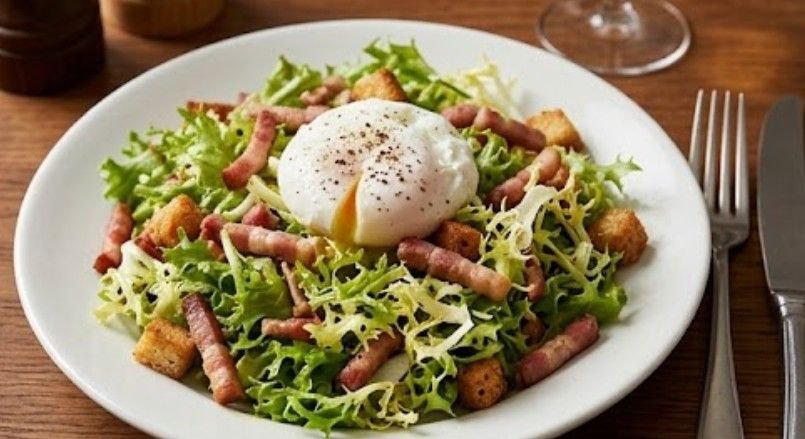
It’s a perfect example of a bistro recipe where technique and time replace elaborate ingredients. Similarly, a Salade Lyonnaise demonstrates masterful balance, tossing bitter frisée greens with warm bacon lardons and a perfectly poached egg, creating a sophisticated play of textures and temperatures with minimal effort.
Bringing the Classics Home: Accessible Main Courses
The heart of the bistro experience is undoubtedly the main course. While some may seem intimidating, many are surprisingly achievable in a home kitchen. The key is breaking down the steps and focusing on a few critical execution points.

The Art of the Perfect Steak Frites
Steak Frites is the quintessential bistro dish, embodying the philosophy of high-quality components treated with respect. Achieving restaurant-quality steak and fries at home requires attention to detail.
>For the steak, starting with a well-marbled cut like ribeye or sirloin, allowing it to come to room temperature before searing, and resting it adequately afterwards are critical, albeit simple, steps for juicy, tender results.
The fries often prove more challenging. Achieving that desired crispiness without it becoming greasy requires technique. A reliable method involves:
- Selection: Choose high-starch potatoes like Russets.
- Preparation: Cut into uniform batons.
- Twice-Fried Method: Blanch the fries at a lower temperature first to cook the interior, drain and cool them. Then fry again at a higher temperature for a short time to achieve a golden, crispy exterior. This process ensures they are fluffy inside and crunch outside.
Mastering the Braise: Coq au Vin and Beyond
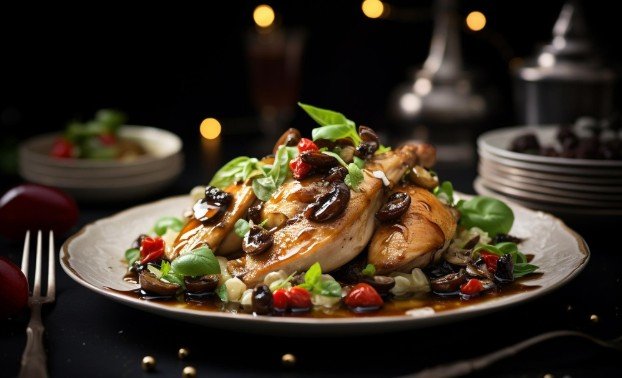
Another pillar of bistro cuisine is slow-cooked, braised dishes. Coq au Vin, arguably the most famous example, is chicken slowly braised in red wine with mushrooms, bacon, and aromatic herbs. It sounds elaborate, but the actual active cooking time is minimal. The slow simmer does the heavy lifting, tenderizing the meat and developing a rich, deeply layered pan sauce.
The beauty of braising lies in its forgiving nature. It’s ideal for utilizing less expensive, tougher cuts of meat that become incredibly tender through long, slow cooking. Once you master the basic braising technique – browning the meat, sautéing aromatics, deglazing the pan, and simmering everything together – a world of rich, satisfying stews and pot roasts opens up.
Techniques vs. Ingredients: The Practical Kitchen Approach
The primary barrier to executing bistro style recipes at home is often a misconception about complexity. It’s less about hunting down niche products and more about respecting fundamental cooking methods.

Focus on these Core Techniques:
- Deglazing: After browning meat or perfectly saute vegetables, using liquid (like wine, stock, or even water) to loosen the flavorful browned bits (fond) stuck to the bottom of the pan is essential for creating rich, complex sauces for dishes like Steak au Poivre.
- Emulsifying: Creating stable sauces by combining fat and water-based ingredients, as in a classic vinaigrette for your Salade Lyonnaise, requires proper whisking or blending technique to prevent separation.
- Resting Meat: As mentioned with Steak Frites, allowing cooked meat to rest before slicing ensures juices redistribute, resulting in much more tender and flavorful meat. This simple, no-effort step is frequently overlooked in busy home kitchens.
Ingredient Quality Over Complexity:
Instead of searching for rare herbs, prioritize sourcing the freshest possible produce and high-quality meats. A bistro salad relies on vibrant, crisp greens, not unusual varietals. Good butter, fresh eggs, and quality oils are fundamental building blocks that make a discernible difference in simple preparations.
A Perfect Sweet Ending: Accessible Bistro Desserts
Even desserts in the bistro tradition adhere to the principles of simplicity and execution. Two classic examples illustrate this well.
- Crème Brûlée: This seemingly sophisticated dessert is, at its core, a baked vanilla custard with a caramelized sugar topping. The custard preparation is straightforward, and the signature crust can be achieved easily with a simple kitchen torch, or even under a broiler with careful monitoring.
- Chocolate Mousse: Achieving that perfectly light yet rich and airy texture for chocolate mousse is less about complex ingredients and more about technique. It involves gently folding whipped cream and egg whites into melted, high-quality dark chocolate, a process that requires patience but guarantees success.
Navigating Modern Bistro Cooking: A Useful Checklist
Capturing the essence of bistro cooking involves mindful choices throughout the process. Here’s a useful checklist:

- Menu Planning: Focus on 2-3 well-executed courses rather than an elaborate spread.
- Ingredient Sourcing: Prioritize fresh, seasonal items. Source quality meat and butter.
- Technique Focus: Identify 1-2 core techniques (like caramelizing or pan-sauce creation) you want to execute well in your meal.
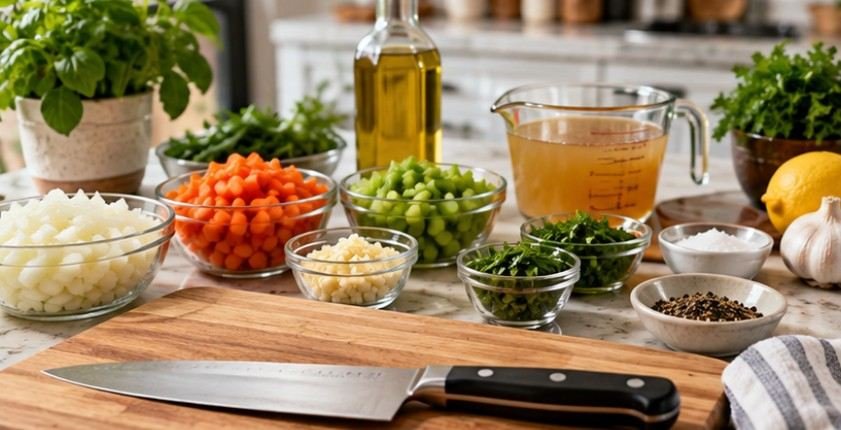
- Prep Ahead: Many bistro elements can be prepped in advance, making execution stress-free. (e.g., wash greens, prepare custard, chop aromatics).
- Authentic Elements: Incorporate a classic element, even something as simple as a good baguette or a simple green salad, to set the mood.
Frequently Asked Questions
1. What are common bistro dishes?
Typical offerings include French Onion Soup, Coq au Vin, Steak Frites, Salade Lyonnaise, and Crème Brûlée.
2. What is bistro style cooking?
It’s a style emphasizing simple, well-executed techniques, fresh, high-quality ingredients, and a philosophy of comforting, unpretentious food, often utilizing slow cooking and braising.
3. What are bistro 7 signature dishes?
While not a universally standardized list, some consider these iconic: French Onion Soup, Salade Lyonnaise, Steak Frites, Coq au Vin, Cassoulet, Confit de Canard, and Crème Brûlée.
4. What is a bistro style menu?
A typical menu features a focused selection of classic, satisfying dishes. Often with a few daily specials, balancing richness with simpler elements like salads and artisanal bread.
Beyond the Plate: Incorporating the Bistro Lifestyle
The true charm of the bistro extends beyond the food. It’s about a relaxed atmosphere and a celebration of conviviality. You can replicate this feeling at home with dim lighting, simple table settings, and perhaps some classic French jazz playing in the background. It’s about taking the time to enjoy good food and conversation, a simple yet profound pleasure that is very much at the heart of the bistro experience.
Modernizing these classics isn’t about radically altering them. But about understanding their core principles, respecting the techniques, and making them a joyful, achievable part of your own culinary repertoire. The most authentic bistro style recipes, after all, are the ones filled with care, flavor, and a sense of easy elegance, perfected right in your own kitchen.