
Restaurant meals often deliver bold flavor, but they can also come with more sodium, fat, and added cost than many home cooks realize. According to the U.S. Food and Drug Administration, a large share of the sodium Americans consume comes from packaged, prepared, and restaurant foods rather than the salt shaker at home. That makes recreating restaurant favorites in your own kitchen appealing for more than just convenience.
Home cooking gives you greater control over ingredients, seasoning, portion size, and cooking methods while still allowing you to achieve rich, polished flavors. It can also significantly reduce the cost of each meal. With the right techniques, you can enjoy restaurant-style recipes at home while making smarter choices about what goes onto your plate.
Why Restaurant Food Tastes Different (And How to Bridge the Gap)
Commercial kitchens rely on technique, heavy seasoning, high-heat equipment, and specific ingredient profiles that standard domestic kitchens rarely utilize by default. Commercial chefs treat fat, acid, salt, and temperature as active precision tools rather than passive background elements.
| Commercial Techniques | Home Adaptation Strategy |
| High-heat sear (800°F+ salamander) | Preheat heavy cast-iron or stainless steel pans to the smoking point. |
| Concentrated finishing butter | Emulsify cold, unsalted butter into sauces at the end of cooking. |
| Sodium-dense, pre-seasoned stocks | Layer kosher salt gradually; use monosodium glutamate (MSG) when appropriate. |
| Rapid acid balancing | Finish hot dishes with fresh citrus juice or a suitable vinegar. |
| Pre-emulsified sauces (roux/base) | Prepare rich bases ahead of time and hold them at precise warm temperatures. |
Understanding these structural mechanics allows you to duplicate flagship menu items reliably while eliminating mystery additives and excessive caloric loads.
Deconstructing Iconic Restaurant Staples
The Crunchwrap Assembly Model
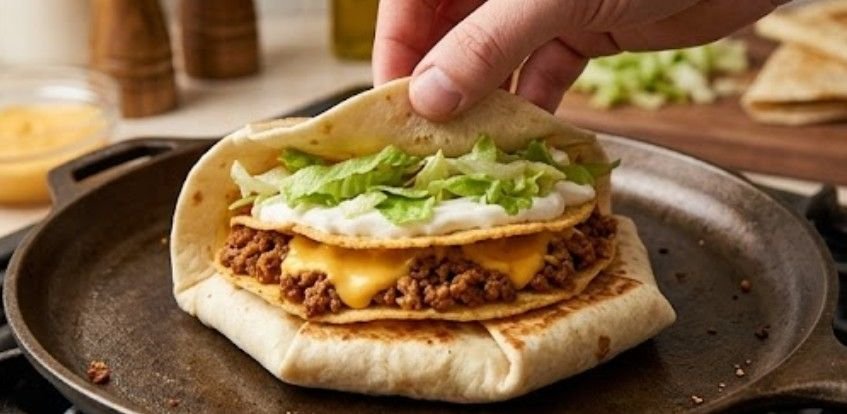
Replicating multi-textured fast-casual staples requires structural heat management. Layer seasoned ground beef and warm nacho cheese sauce directly onto a large flour tortilla.
Center a crispy corn tostada shell over the hot filling, acting as a heat barrier. Spread sour cream over the tostada, top with shredded lettuce and diced tomatoes, and seal using a smaller tortilla cutout before searing seam-side down in a dry, preheated skillet.
Velvety Chicken & Gnocchi Soup
The signature rich mouthfeel of Italian-style casual dining soups relies on a classic roux base. Sauté finely diced celery, carrots, and onions in butter until soft.
Whisk in all-purpose flour to create a blond roux before gradually streaming in chicken stock and heavy cream. Add cooked potato gnocchi and shredded chicken breast, simmering until thick before folding in fresh spinach during the final two minutes.
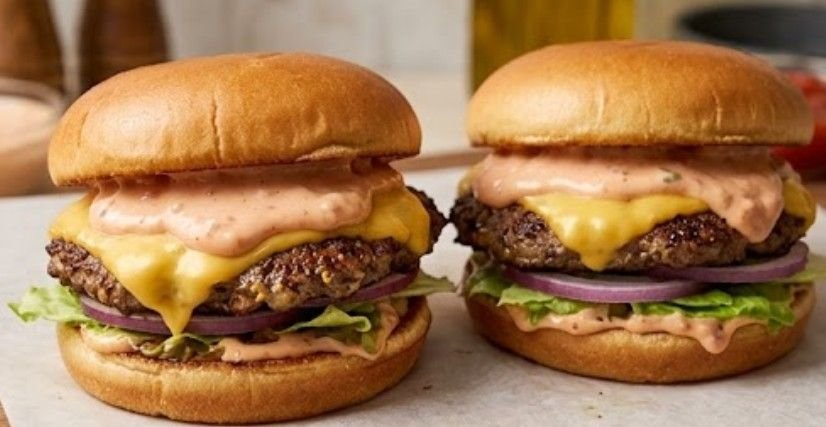
Fast-Casual Mustard-Seared Smash Burgers
High-volume burger joints rely on Maillard reaction optimization. Portion 80/20 ground beef into tight 2-ounce balls. Place them onto a scorching-hot, lightly oiled cast-iron griddle and smash completely flat using a heavy press or spatula.
Spread a teaspoon of yellow mustard onto the raw top side before flipping, searing the mustard directly into the crust. Top with American cheese and assemble on a toasted bun with a sauce made of mayonnaise, ketchup, sweet pickle relish, and a splash of white vinegar.
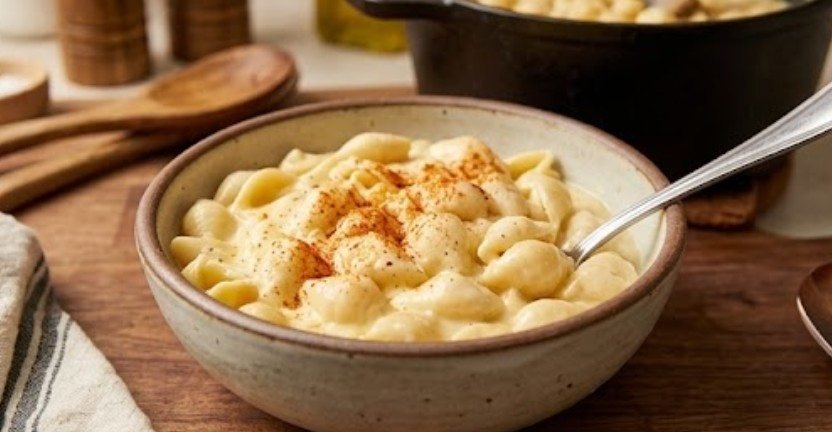
Creamy Shell Macaroni Base
To achieve the smooth, non-graty melt of high-end bakery-cafe macaroni, avoid pre-shredded cheeses, which contain anti-caking cellulose powders.
Build a smooth sauce by melting extra-sharp white cheddar into a roux warmed with milk and cream. Toss boiled pasta shells into the sauce, allowing the starches from the pasta to fully bind the emulsion.
Key Culinary Techniques to Master at Home
To consistently duplicate commercial outcomes, focus on three fundamental kitchen mechanics:
- Emulsification Control: When creating cheese sauces or butter-based reductions, maintain temperatures below boiling. Excess heat breaks emulsion bonds, causing fats to separate into a greasy layer.
- Pan Searing and Deglazing: Achieve deep caramelization before lifting fond (browned bits) off the pan using stock, wine, or citrus juice. This creates the foundational flavor depth used in commercial pan sauces.
- Controlled Seasoning: Season at every stage of the cooking process rather than only at the end. Use kosher salt for controlled dispersion and finish with freshly cracked pepper or acid.
Upgrading Equipment for Professional Quality
While specialized commercial gear isn’t required, a few home-kitchen tools significantly improve copycat accuracy:
- Heavy-Gauge Cast Iron or Carbon Steel Pans: Crucial for retaining heat when searing meats and smashing burgers.
- High-Powered Immersion Blender: Essential for silk-smooth purées, dressings, and fully emulsified soups without air aeration.
- Digital Instant-Read Thermometer: Prevents overcooking lean meats like poultry and pork while ensuring sauces hit precise thickening thresholds.
Adapting Restaurant Favorites for Specific Dietary Needs
Commercial dishes are easily modified for health, dietary, or allergen requirements without sacrificing signature flavors.
- Gluten-Free Modifications: Swap standard wheat flour in soup or macaroni roux bases with a 1:1 gluten-free baking flour or a cornstarch slurry. Substitute traditional pasta with certified gluten-free options or grain-free alternatives like potato gnocchi made with tapioca starch.
- Low-Sodium Adjustments: The Centers for Disease Control and Prevention (CDC) notes that standard restaurant portions often exceed daily recommended sodium limits in a single meal. Scale back salt by using unsalted stocks, relying on fresh garlic, herbs, and lemon juice for flavor, and substituting standard soy sauce with coconut aminos.
- Dairy-Free Options: Replicate rich, creamy textures using soaked, blended raw cashews mixed with unsweetened almond milk, or swap traditional cheese for nutritional yeast and plant-based melting cheeses.
Frequently Asked Questions
1. Where do restaurants get their recipes?
Restaurants develop recipes through executive chefs, culinary research teams, corporate test kitchens, and traditional classical techniques tailored for high-volume execution, consistency, and cost efficiency.
2. How do restaurants make their food taste so good?
Restaurants achieve intense flavor by using higher amounts of fat (like butter and oils), precise salting techniques at every cooking stage, high-heat cooking methods, rich stocks, and finishing dishes with fresh acids.
3. What are some recipes for restaurant meals that I can make at home?
Popular home-made restaurant dishes include smash burgers, pan-seared steaks with composite butter, creamy fettuccine Alfredo, copycat soup bases, and fast-casual folded wraps.
4. What are some good copycat restaurant recipes I can make at home?
Great copycat options include mustard-seared double cheeseburgers, white cheddar shell mac and cheese, chicken gnocchi soup, and crisp-seared meat and cheese tortilla wraps.
Master the Copycat Formula
Recreating top-tier dining dishes at home isn’t about secret ingredients; it comes down to understanding heat transfer, structural assembly, and flavor layering. By adopting commercial seasoning practices and controlling high-heat searing in your own kitchen, you replicate iconic menu items with higher-quality ingredients and lower overall cost. Pick a favorite regional dish, focus on mastering the base sauce or sear, and bring the restaurant experience directly to your dinner table.