
I used to reach for whichever oil was closest to the stove, assuming every bottle performed roughly the same job. That changed after a few smoky skillets, heavy-tasting cakes, and salad dressings that turned bitter.
Understanding the types of cooking oils makes it easier to match flavor, temperature, and nutrition to a recipe. The right selection can help vegetables brown beautifully, keep fried food crisp, and add character without overpowering other ingredients.
How to Choose the Right Cooking Oil
Choosing oil involves more than finding the highest smoke point. Consider how hot the cooking method becomes, whether the oil should contribute flavor, and whether it is refined or unrefined.
Refining generally removes particles and flavor compounds, producing a neutral oil that tolerates higher temperatures. Unrefined and cold-pressed varieties usually retain more aroma, color, and distinctive character, but they may be better suited to gentle cooking or finishing.
Smoke-point numbers should be treated as estimates. An oil’s variety, refinement, age, quality, and storage conditions can affect when it begins smoking. Avoid heating oil until it produces continuous smoke, develops a burnt odor, or darkens noticeably.
Popular Oils and Their Best Uses
Extra-Virgin Olive Oil
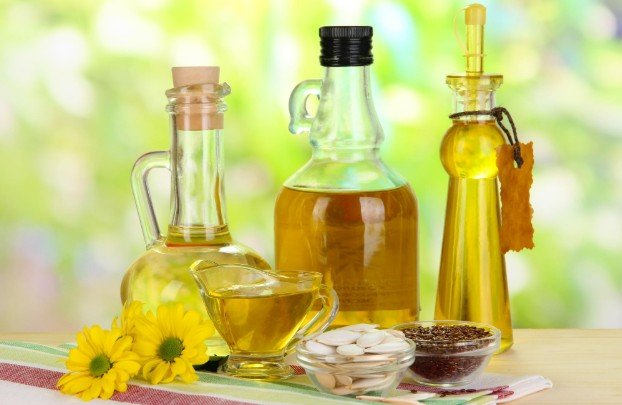
Extra-virgin olive oil has a fruity, grassy, or peppery flavor that suits dressings, marinades, dips, pasta, roasted vegetables, and moderate-temperature sautéing. Its monounsaturated fats and naturally occurring compounds make it a popular everyday choice.
Regular or refined olive oil tastes milder and generally tolerates higher temperatures. Use it when you want olive oil’s versatility without a prominent flavor.
Avocado Oil
Refined avocado oil has a neutral taste and an exceptionally high smoke point, making it suitable for searing, grilling, roasting, and frying. Unrefined avocado oil is greener, richer, and more flavorful, so it works well in dressings or as a finishing drizzle.
Its principal disadvantage is price. It is often better reserved for cooking methods where its heat tolerance or buttery character provides a noticeable advantage.
Canola Oil
Canola oil is affordable, widely available, and mild enough for baking, pan-frying, sautéing, and homemade mayonnaise. It contains relatively little saturated fat and supplies both monounsaturated and polyunsaturated fats.
Because it can acquire stale or fishy aromas as it ages, purchase an amount you can use within a reasonable period and keep it away from heat and sunlight.
Vegetable Oil
A bottle labeled vegetable oil commonly contains soybean oil or a blend of soybean, corn, canola, sunflower, or cottonseed oils. Its neutral flavor makes it a practical option for deep-frying, baking, roasting, and everyday stovetop cooking.
Check the ingredient label because the composition—and therefore the flavor and performance—can vary between brands.
Peanut Oil
Peanut oil performs particularly well in stir-frying and deep-frying. Refined versions are usually mild, while roasted or unrefined varieties deliver a more noticeable nutty taste.
Anyone cooking for guests should consider peanut allergies and disclose its use. Highly refined peanut oil may be treated differently in some allergy guidance, but individual medical advice should always take priority.
Grapeseed Oil
Grapeseed oil has a clean flavor and works well for sautéing, roasting, dressings, and mayonnaise. It is especially useful when olive oil would taste too assertive. Its relatively short freshness window means that smaller bottles may offer better value for occasional cooks.
Sunflower and Safflower Oils
Both oils are mild and useful for frying, roasting, and baking. Their fat composition can differ significantly. High-oleic versions contain more monounsaturated fat and tend to offer better heat and storage stability than high-linoleic versions. Read the label rather than assuming every bottle is identical.
Corn and Soybean Oils
Corn and soybean oils are inexpensive, neutral, and frequently included in commercial vegetable-oil blends. They work for frying, baking, and general cooking. Both contain polyunsaturated fats, while soybean oil also provides alpha-linolenic acid, a plant-based omega-3 fat.
Coconut Oil
Coconut oil contains considerably more saturated fat than most liquid plant oils. It can have a place in cooking, but it is better treated as a specialty ingredient than an automatic replacement for every everyday oil.
Sesame Oil
Untoasted sesame oil has a relatively mild flavor and can be used for sautéing or stir-frying. Toasted sesame oil is darker and intensely nutty. Add it to sauces, noodles, soups, marinades, or finished dishes in small amounts rather than using it as the main frying oil.
Rice Bran Oil
Rice bran oil offers a neutral flavor and good high-temperature performance. It suits deep-frying, stir-frying, and roasting without competing with seasonings. Although versatile, it may be harder to find than canola or vegetable oil.
Walnut and Flaxseed Oils
Walnut and flaxseed oils are delicate finishing oils rather than dependable frying fats. Use them in dressings, dips, grain bowls, or over cooked vegetables. Refrigeration after opening can help slow oxidation, particularly for flaxseed oil.
Almond Oil
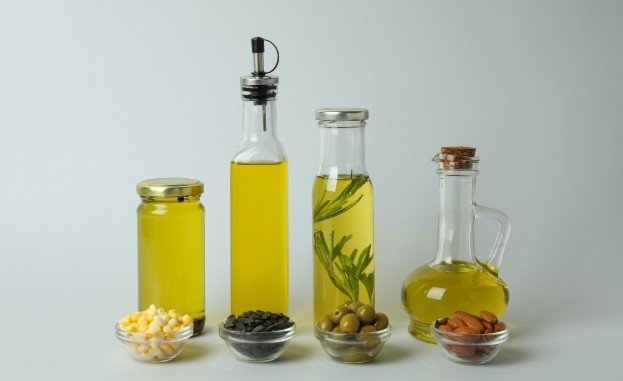
Culinary almond oil lends a subtle nutty character to baked goods, dressings, and finished vegetables. Refined versions may tolerate greater heat, whereas unrefined varieties are better used gently. Confirm that the bottle is food-grade and account for tree-nut allergies.
Which Oil Is Best for Each Cooking Method?

For searing and high-temperature frying, choose a fresh refined oil with a neutral flavor, such as avocado, peanut, canola, rice bran, or an appropriate vegetable-oil blend. Deep-frying also demands temperature stability, clean oil, and prompt removal of burnt crumbs.
Canola, grapeseed, olive, and vegetable oils are versatile choices for everyday sautéing. Baking usually benefits from neutral oils such as canola or vegetable oil, although coconut or olive oil can work when their flavors complement the recipe.
For salads and finishing, flavor matters more than extreme heat tolerance. Extra-virgin olive, toasted sesame, walnut, flaxseed, and unrefined avocado oils can add aroma and complexity.
Are Seed Oils Unhealthy?
Online discussions often portray every seed oil as harmful, but that description ignores differences in formulation, quantity, heating, and overall diet. Oils such as canola, soybean, sunflower, and safflower provide unsaturated fats. Replacing fats high in saturated fat with unsaturated alternatives can support healthier cholesterol levels.
Repeatedly overheating any oil can degrade its quality. The more useful approach is to select an appropriate oil, avoid burning it, use reasonable portions, and maintain a balanced eating pattern.
How to Store Oil and Prevent Rancidity
Keep bottles tightly sealed in a cool, dark cabinet away from the stove. Heat, oxygen, and light accelerate deterioration. Delicate walnut and flaxseed oils benefit from refrigeration after opening.
Discard oil that smells like crayons, old nuts, paint, or putty. Buying smaller containers often prevents waste when an oil is used only occasionally.
Frequently Asked Questions
1. What are the main types of cooking oils to keep at home?
Most kitchens can function well with a neutral everyday oil, extra-virgin olive oil for flavor, and one specialty finishing oil such as toasted sesame oil.
2. What is the best oil for deep-frying?
Refined peanut, canola, rice bran, avocado, or vegetable oil can work well. Choose based on price, flavor, allergen concerns, and verified product information.
3. Can extra-virgin olive oil be used for cooking?
Yes. It can be used for sautéing, roasting, and many moderate-temperature applications. It is not limited to raw dressings.
4. Should used frying oil be reused?
It may be reused if it was not overheated, contains no signs of spoilage, and is strained and stored safely. Discard dark, foamy, thick, burnt-smelling, or rancid oil.
Final Thoughts
I no longer search for one bottle that claims to do everything. I keep a neutral oil for dependable cooking, extra-virgin olive oil for everyday flavor, and toasted sesame oil for finishing. That simple approach covers nearly every meal without crowding the pantry. Match the oil to the heat and desired taste, store it carefully, and replace it when its aroma changes.