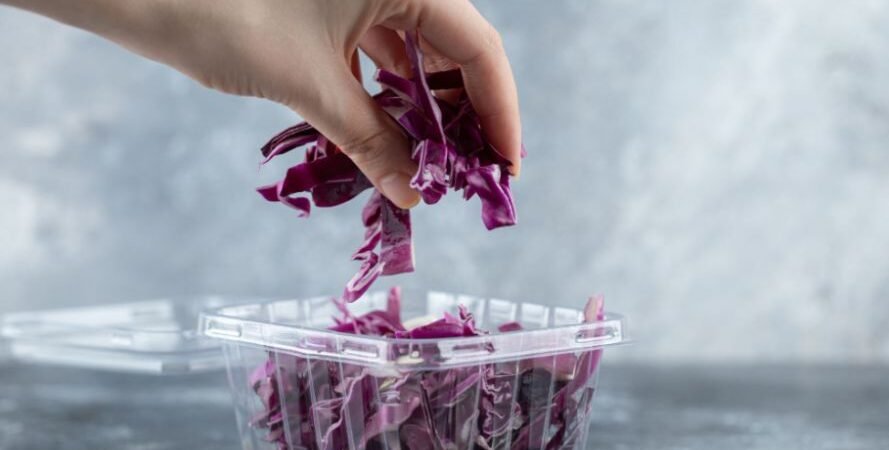
Leftovers make weeknight meals easier, stretch my grocery budget, and reduce food waste. When I think about how to store leftovers, I focus on time, temperature, containers, and reheating. I refrigerate or freeze perishable food promptly, keep my refrigerator at 40°F or below, use shallow containers, and finish most refrigerated leftovers within three to four days.
How Soon Should Leftovers Go in the Refrigerator?
I follow the two-hour rule for cooked and perishable food. Leftovers should go into the refrigerator or freezer within two hours of cooking or serving. If the air temperature is above 90°F, such as at a summer barbecue, I shorten that window to one hour.
Bacteria can grow quickly in the food-safety “Danger Zone,” which runs from 40°F to 140°F. I do not leave cooked meat, poultry, seafood, rice, takeout food, casseroles, or dairy-based dishes on the counter all evening. USDA and FDA guidance supports prompt refrigeration within these time limits.
Can You Put Hot Food Directly in the Fridge?
Yes. I do not wait for hot food to reach room temperature before refrigerating it. USDA guidance allows hot food to go directly into the refrigerator, but I divide large quantities into shallow containers so they cool faster.
For a big pot of chili, soup, stew, or sauce, I transfer the food into smaller containers. If food is still warm, I leave the container loosely covered or slightly vented, then seal it once chilled. I avoid stacking warm containers tightly so cold air can circulate. This approach speeds cooling instead of trapping heat inside a large, deep container.
What Are the Best Containers for Storing Leftovers?
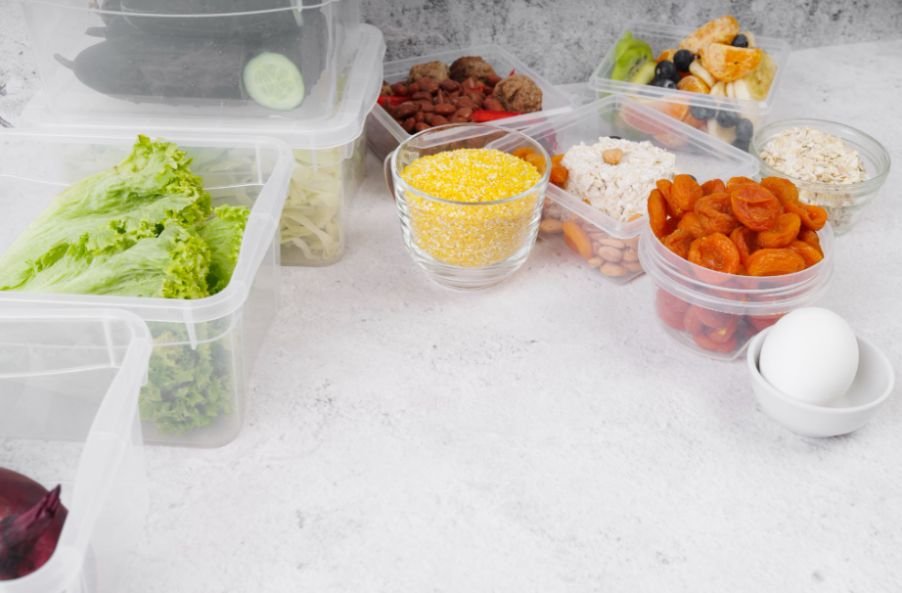
I use clean, food-safe containers with tight-fitting lids. Glass resists stains and odors and works well for reheating when rated. Food-safe plastic is lighter and stackable, but I follow the manufacturer’s temperature guidance and replace badly scratched pieces. BPA-free plastic is practical.
Resealable freezer bags also work. When freezing soup, sauce, broth, or another liquid, I leave about one inch of headspace because liquids expand as they freeze.
Where Should You Put Leftovers in the Fridge?
I keep cooked leftovers on a middle or upper shelf rather than in the refrigerator door, where temperatures fluctuate more often. Ready-to-eat food also stays above raw meat, poultry, or seafood to reduce cross-contamination risk.
My refrigerator stays at 40°F or below and my freezer at 0°F. I prefer an appliance thermometer instead of guessing from the dial, and I avoid overpacking the refrigerator so cold air can circulate.
How Long Do Leftovers Last in the Fridge?
For most cooked leftovers, I use a three-to-four-day refrigerator window. I label each container with the food name and storage date and keep older items visible so I use them first. If I will not eat something within that period, I freeze it early.
How Long Does Leftover Chicken Last?
I refrigerate cooked chicken promptly and use it within three to four days. When reheating, I bring it to 165°F internally.
If leftover chicken seems dry after reheating, you can bring it back to life with a simple pan sauce for chicken that adds moisture and fresh flavor without requiring a completely new meal.
How Should You Store Leftover Rice, Pasta, Soup, and Casseroles?
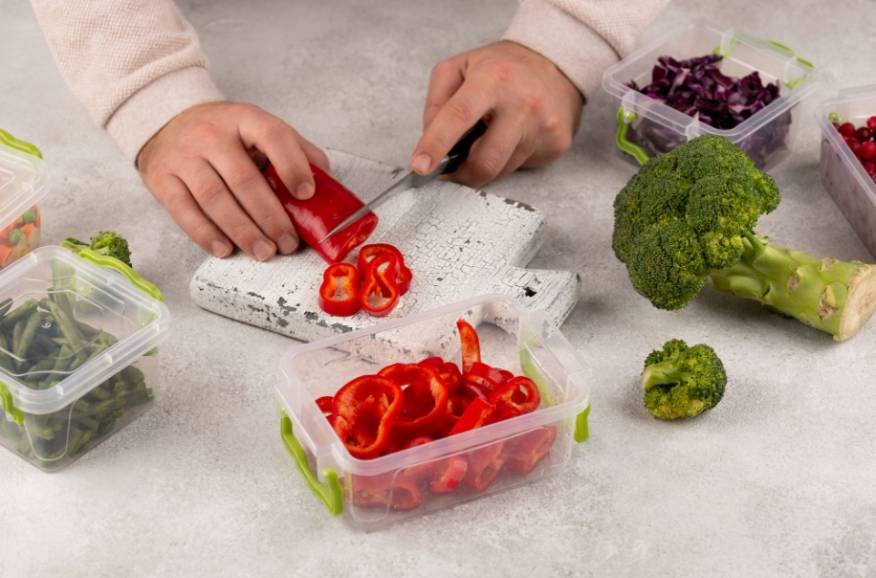
I cool rice promptly in a shallow container instead of leaving it on the counter. Pasta goes into a sealed container.
If you often have extra pasta after dinner, having a few easy pasta recipes on hand can help you plan portions and make better use of leftovers.
For soup, stew, chili, baked pasta, and casseroles, I divide large portions into smaller shallow containers because the center can hold heat longer.
Quick cooling is especially important for cooked rice and dense foods that can remain warm in the center after the outer portion has cooled.
When Should You Freeze Leftovers?
If I am unlikely to eat a dish within three to four days, I freeze it. For best quality, many cooked leftovers are best used within roughly three to four months in the freezer, although continuously frozen food can remain safe longer while quality gradually declines.
I remove excess air from freezer bags, use freezer-safe containers, leave room for liquids to expand, and label packages with the food and date. Individual portions help me thaw only what I need.
How Do You Thaw and Reheat Leftovers Safely?
I thaw frozen leftovers in the refrigerator, in cold water, or in the microwave—never on the counter. If I use cold water or the microwave, I continue reheating promptly. I also follow basic cooking safety in microwave oven practices by using microwave-safe containers, covering food appropriately, and allowing heat to distribute evenly.
When reheating, I aim for 165°F throughout. I stir or rotate microwaved food to reduce cold spots and bring soups, sauces, and gravies to a boil. A splash of water or broth can help rice, pasta, and casseroles recover moisture.
What Leftover Storage Mistakes Should You Avoid?
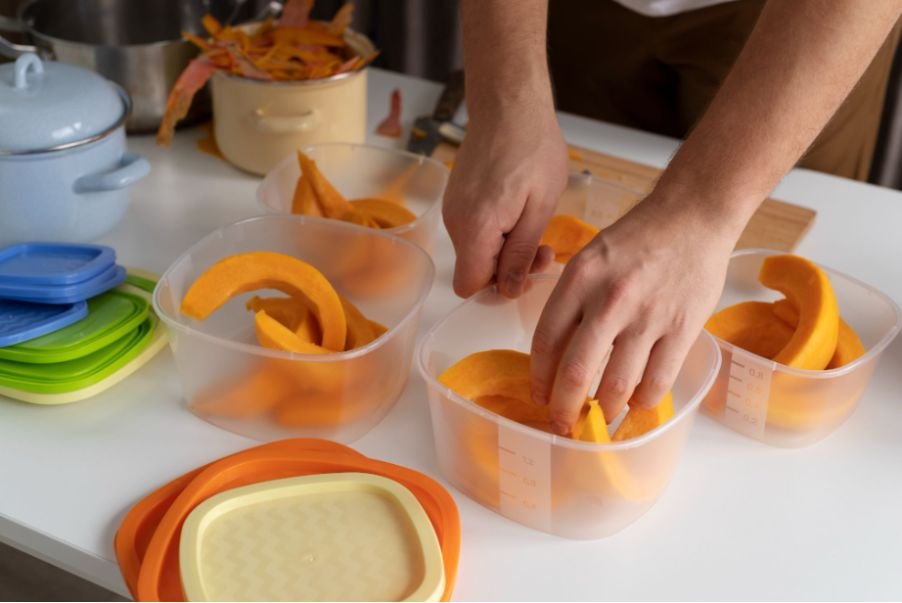
I avoid leaving food out too long, cooling a large batch in one deep pot, tightly stacking warm containers, forgetting dates, storing leftovers in the refrigerator door, and reheating more food than I plan to eat.
I do not rely only on smell or appearance. Foodborne pathogens can be present even when food seems normal. If I do not know how long a perishable dish has been sitting out or refrigerated, I discard it. The FDA (Food and Drug Administration) specifically notes that potentially unsafe food does not always look, smell, or taste spoiled.
Frequently Asked Questions
1. What Is the Safest Way to Store Leftovers After Dinner?
I refrigerate perishable food within two hours, use shallow covered containers, keep the refrigerator at 40°F or below, and eat most cooked leftovers within three to four days.
2. Can I Eat Leftovers After Five Days in the Refrigerator?
I generally follow USDA guidance and use cooked leftovers within three to four days. If I will not eat them in that period, I freeze them earlier.
3. Can Leftovers Sit Out Overnight if I Reheat Them?
No. Perishable food left at room temperature overnight has exceeded the recommended two-hour limit. Reheating does not undo unsafe storage conditions.
4. How to Store Leftovers So They Stay Fresh Longer?
I cool them promptly, divide large portions, use airtight containers, label and date everything, keep them on a stable refrigerator shelf, freeze food I will not use soon, and reheat only the portion I plan to eat.
Final Takeaway
Good leftover storage is simple. I cool food promptly, use shallow airtight containers, label each portion, maintain a cold refrigerator, and freeze meals before they reach the end of their refrigerator window.
Those habits help me save money, reduce food waste, and enjoy yesterday’s meal without turning food safety into guesswork.